

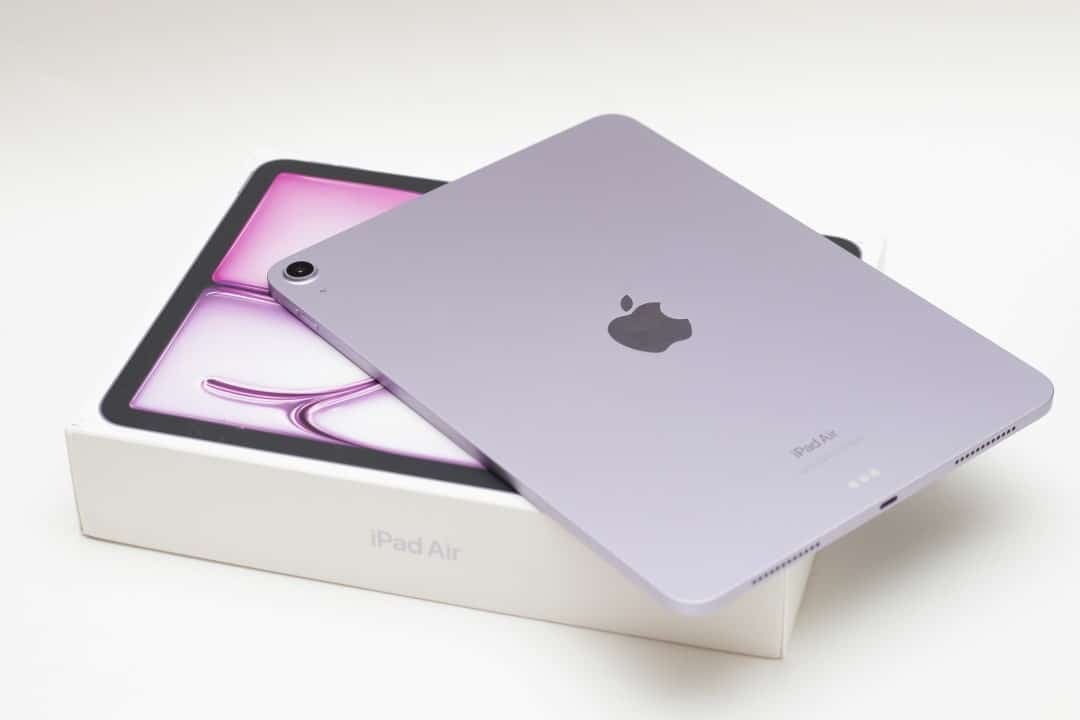
Apple has confirmed an increase in values for its MacBook computers and iPad tablets globally. The company justified the measure due to growing pressure on the costs of memory and storage chips, a scenario driven, in large part, by the expansion of artificial intelligence.
The company, responsible for manufacturing iPhones, raised the prices of some of its laptops and tablets by almost 20%. She reported that the electronics sector faces an “unprecedented challenge” as a result of an “extraordinary increase” in demand for chips that power AI data centers.
In a statement, the company declared that “we have never seen the price of a component increase so much and so quickly”, ensuring that it is “working tirelessly to find solutions” to the situation.
Although iPhones were not included in these readjustments for certain devices, technology analyst Paolo Pescatore interpreted the move as a sign that “the AI boom is now affecting consumer electronics.”
Apple’s price adjustments follow a trend observed in several other companies, which also needed to increase the prices of their devices to absorb the increase in hardware components.
A significant portion of the increase in memory and storage costs, especially RAM – a crucial type of memory for computers – is attributed to the proliferation of vast data centers essential to sustaining the advancement of artificial intelligence.
According to the assessment of industry experts, this growing demand has generated a notable imbalance between supply and what the market needs, resulting in everyone needing to pay more for components.
Impact of the rise in chips could increase the cost of all electronics by 2026
Pescatore highlighted that Apple’s stance highlights the magnitude of the challenges posed, even for the “largest technology companies in the world”.
He explained to the BBC that this is a “significant moment” because “even Apple, with its scale and purchasing power, is no longer immune to the rising cost of essential components.”
One of the devices with a changed price was the MacBook Pro, in the version with 1 terabyte of storage, which had its value adjusted from US$1,699 to US$1,999 in the official store in the United States.
In the UK, the Neo laptop, considered Apple’s most affordable model, had its price raised from £599 to £699 just a few months after its launch on the market.
In an official statement, the company said: “So far, we have protected our customers from these increases, but we have reached a point where we need to start increasing prices on several products, including today’s increases for iPad and Mac.”
David Naranjo, an analyst at market research firm Counterpoint, predicts that other PC and tablet makers will follow Apple’s lead by adjusting their own prices.
Naranjo detailed that these companies “may increase prices on select products, reduce discounts on entry-level models, or adjust their product lines to focus more on premium devices.”
Dipanjan Chatterjee, vice president and principal analyst at market consultancy Forrester, expressed confidence that Apple’s solid base of loyal customers will absorb the financial hit without major complaints.
Chatterjee added that, “if anyone can survive a price increase with minimal negative repercussions, it’s Apple,” highlighting the brand’s strong connection with its consumers.
Tim Cook, Apple’s outgoing CEO, had already signaled these changes. In an interview with the Wall Street Journal in early June, he called the price increases “inevitable” given the “unsustainable” situation in the memory chip market.
At the time, Cook told the publication that “we definitely need memory prices and supply to return to reasonable levels for consumer products. That’s the fundamental issue.”
Escalating costs have impacted a wide range of companies and products across the technology sector, ranging from personal computers to video game consoles.
Last Monday, gaming giant Valve announced that its initial price target for the Steam Machine gaming PC was “no longer viable”, instead launching it for £879 in the UK and $1,049 in the US.