

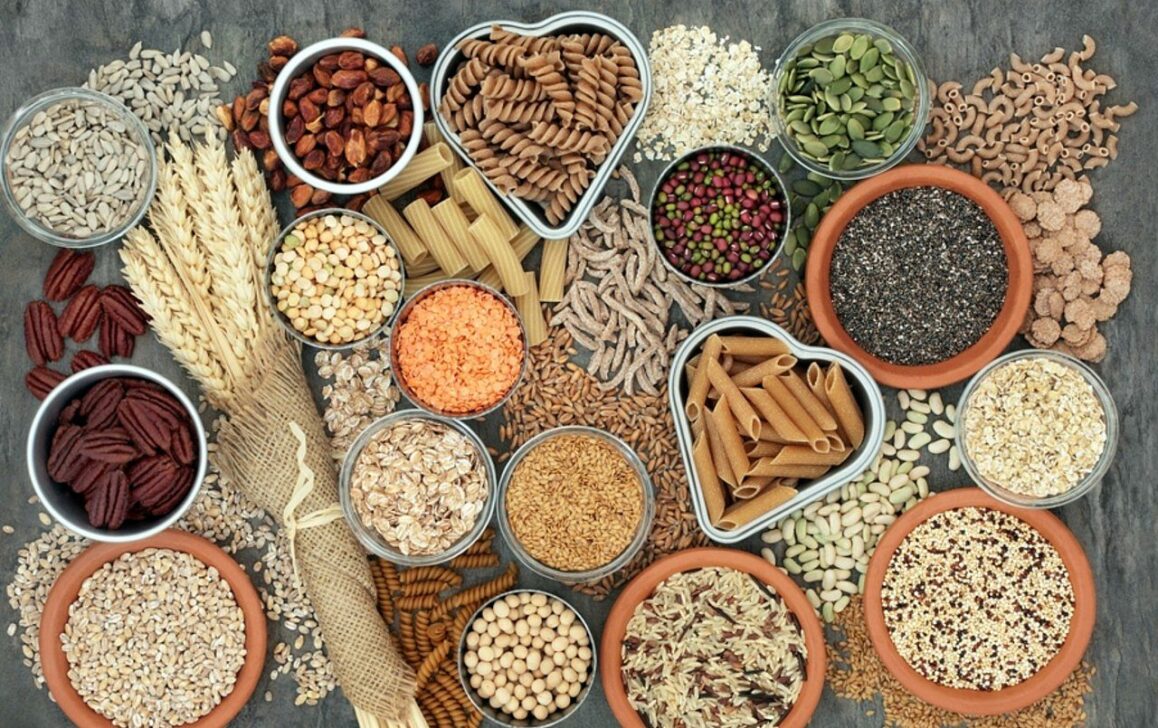
In online gaming communities, the term “maxxing”, which means seeking to maximize results, has spawned a new food trend. After “proteinmaxxing”, which encouraged high protein intake, “fibermaxxing” appears, promoting high fiber consumption.
Science has already proven the various benefits of these nutrients, which help with intestinal function, control blood glucose and cholesterol, and increase the feeling of satiety. However, experts warn: positive results depend on balance, as excess can also cause discomfort and damage to the body.
Exaggerated fiber consumption can pose health risks
Lack of adequate hydration, for example, can turn excessive fiber consumption into a problem, causing pain, gas and even constipation, according to nutritionist Celso Cukier, from Einstein Hospital Israelita. When drinking liquids, fiber facilitates intestinal transit, softening the fecal matter; however, without enough water, stool becomes hard, leading to constipation. There is also evidence that excessive fiber consumption can hinder the absorption of crucial minerals, such as calcium and iron, reducing the body’s ability to use them.
For nutritionist Renata Juliana da Silva, professor at ETEC Uirapuru – Centro Paula Souza and vice-president of the Associação Paulista de Nutrição (APAN), the “fibermaxxing” movement could become another extreme food fad. She emphasizes that “more is not always better”, although the trend has the positive point of drawing attention to a nutrient that a large part of the population consumes in insufficient quantities.
Recommended amounts vary depending on the person, considering age, sex and stage of life. In general, adults should consume between 25 and 30 grams of fiber per day. In Brazil, the average consumption is just 15 grams per day, according to data from the IBGE Family Budget Survey (POF 2017–2018). To achieve the goal, the best strategy is to regularly include whole grains, fruits, vegetables, legumes such as beans, nuts and seeds in main meals and snacks.
Understand how fiber has become essential for well-being
Although today fibers are recognized for their multiple health benefits, there was a period when they were considered waste, discarded or used only in animal feed. “With the evolution of research, they were identified as indispensable food components and, currently, they are seen as functional nutrients due to their impacts on intestinal, metabolic and cardiovascular health”, explains Silva.
The World Health Organization (WHO) classifies fibers as complex carbohydrate polymers, found in vegetables, which resist digestion by human enzymes and reach the large intestine practically intact.
A recent study, published in January in the scientific journal Critical Reviews in Food Science and Nutrition, delves into the effects of fiber and its various classifications. With the most recent discoveries, they are no longer mere plant components. “They are molecules with specific actions that may differ depending on their source”, comments Cukier. The article emphasizes the role of the nutrient in the balance of the microbiota and the factors that influence the production of short-chain fatty acids (SCFA).
SCFAs – acetate, propionate and butyrate – are beneficial substances generated by intestinal fermentation, which serve as a source of energy for colon cells, strengthening the intestinal barrier. This process helps prevent harmful agents from reaching the bloodstream, helping to control inflammation and other disorders.
Fibers are categorized into two main types: soluble and insoluble. Soluble fibers dissolve in water, forming a gel in the intestine. They act to reduce appetite, control glycemic levels and reduce cholesterol levels. Pectins, gums, beta-glucans and mucilages are examples of these fibers, found in foods such as oats, legumes (beans, lentils, peas, chickpeas), apple and pear pulp, carrots and chia and linseed seeds.
Insoluble fibers are essential in combating constipation. They work by increasing the volume of stool and stimulating contractions and bowel movements. Whole grains (wheat, rice, corn, rye), legume skins, fruit pomace, leaves such as kale and spinach, as well as seeds and nuts, are excellent sources of these nutrients.
Supermarkets offer a variety of fiber-enriched products. “They can be useful in certain situations, especially for individuals with low intake, but it is crucial to remember that adding fiber does not automatically make them healthy”, warns the nutritionist. Therefore, paying attention to the information on the labels is essential.
Fiber supplementation, in turn, should only be carried out under medical supervision. “Elderly people, bedridden people and pregnant women may need it, but a careful assessment is essential to adjust the type and quantity”, advises the Einstein nutritionist. It is always important to emphasize that excesses are never recommended, even when it comes to beneficial ingredients.