

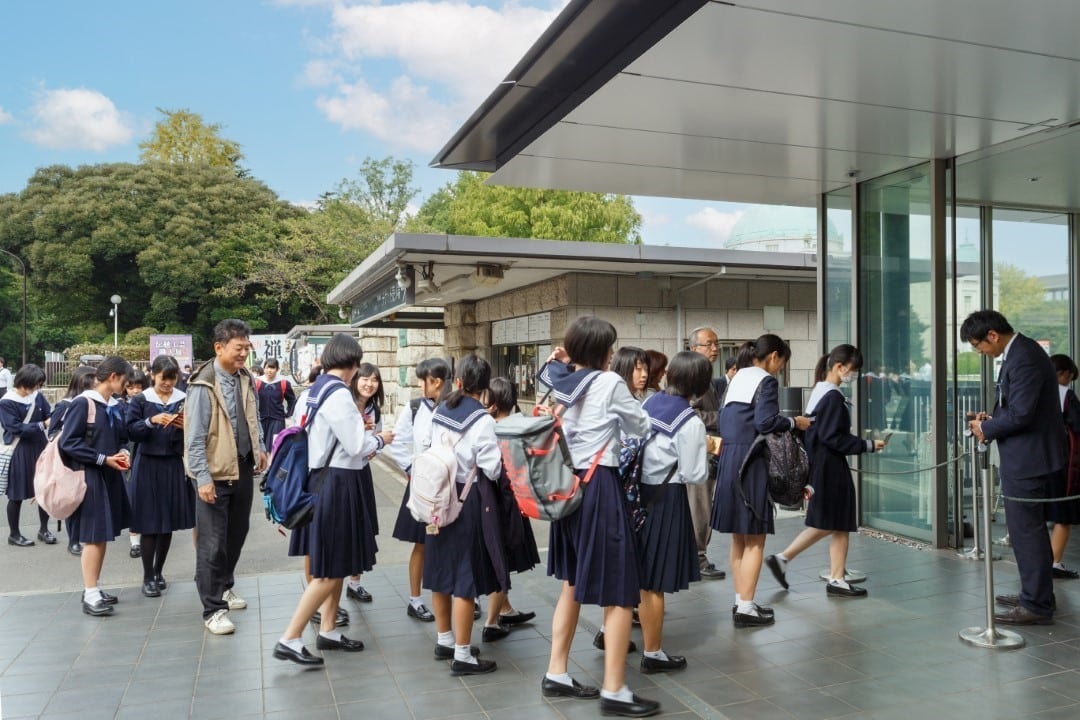
Education at primary and secondary institutions in the city of Hashikami, located in Aomori Prefecture, in northern Japan, was suspended this Tuesday due to a significant earthquake. The decision to temporarily halt school activities was an immediate response after the area recorded an earthquake that exceeded intensity 6 on the local seismic scale. This preventive action highlights the seriousness of Japan’s safety protocols, a country accustomed to seismic events, always prioritizing the protection of the community.
Immediate warning and closure decision in Hashikami
The earthquake that hit the region triggered a rapid mobilization of local authorities. The municipal Education Board confirmed that all five school units in the city were closed as an urgent precautionary measure. The earthquake, which reached or exceeded magnitude 6 on the Japanese intensity scale, demands an immediate response to guarantee the physical integrity of students and staff, avoiding potential risks in the event of aftershocks or unforeseen structural damage. Agility in decision-making is a fundamental pillar of disaster management in the country.
Japan’s seismic complexity and the Shindo scale
Japan is situated on the Pacific Ring of Fire, one of the most tectonically active areas in the world, making it prone to frequent earthquakes. The Japanese seismic intensity scale, known as Shindo, measures the degree of agitation of the earth’s surface in a given location, and not the energy released by the earthquake (which is the magnitude). An intensity above 6 indicates a tremor that makes standing difficult and can cause significant damage to buildings, although Japanese buildings are designed with strict anti-seismic standards. This local measure helps authorities quickly assess the impact in specific areas and coordinate emergency response more effectively.
Efficient student evacuation and contingency plans
Students who were already on school premises were immediately directed to their parents or guardians, following a standardized procedure. This evacuation process demonstrated the effectiveness of pre-established contingency plans for emergency situations, which include regular simulations and efficient communication systems. The top priority is to ensure that all children are safely returned to their families, minimizing panic and ensuring an orderly response. Evacuation plans are extensively trained in schools across Japan, preparing students and teachers to act at critical moments.
Continuous monitoring and assessment of post-earthquake risks
To date, no incidents of serious structural damage to school buildings in Hashikami, nor injuries to students and staff have been reported. The competent authorities remain on alert, closely monitoring the evolution of the seismic situation and evaluating potential additional impacts that may arise. Thorough inspection of facilities is crucial before considering returning to school, ensuring the environment is completely safe for everyone involved. The monitoring system includes the detection of aftershocks, which can occur hours or days after the mainshock.
How Japanese prevention minimizes impacts
The rapid response to the Hashikami earthquake is a reflection of Japan’s continued investment in resilient infrastructure and disaster education programs. Since the 1970s, the country has drastically improved its construction standards, making buildings more flexible and resistant to earthquakes. Furthermore, the culture of prevention is taught from an early age, with evacuation drills and earthquake simulations being an integral part of the school curriculum. This combination of advanced engineering and community preparedness is what allows Japan to severely mitigate human and material losses, even in the face of high-magnitude natural events. The suspension of classes, although disruptive, is a small price to pay to guarantee the lives and safety of the younger population.