

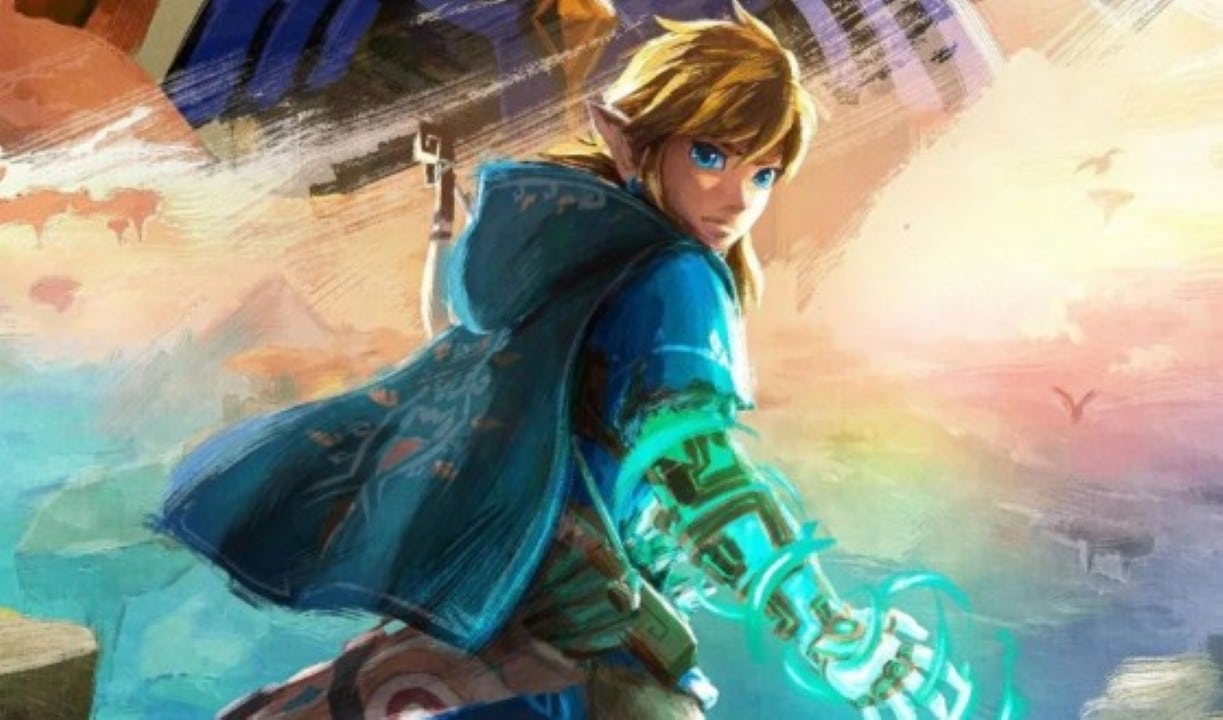
Japanese giant Nintendo has finalized preparations to introduce its next video game platform to the global market, marking the beginning of a new era for the company. The transition project already has a definitive hardware model, ready to hit the shelves. To guarantee an immediate impact, the company is betting on a complete recreation of the classic Zelda Ocarina of Time, a 1998 title that to this day boasts a record score of 99 on the Metacritic aggregator, combining contemporary technology with nostalgic appeal.
The initial package that will reach consumers will include the new device accompanied by a commemorative controller and full support for last generation games. This strategy aims to capture the installed base of more than 140 million Switch users on the first day of sales. With this integration, the manufacturer seeks to establish a secure commercial bridge, accelerating the adoption of the new system without fragmenting its community of players.
https://twitter.com/DiscussingFilm/status/2037549510356836588?ref_src=twsrc%5Etfw
Design strategy preserves versatility between game modes
The equipment’s architecture continues the hybrid format that has established the brand in recent years, allowing a fluid transition between portable use and connection to televisions. The screen built into the device will feature an 8-inch LCD panel, an engineering choice focused on optimizing manufacturing costs. This technical decision allows the final product to reach retailers at a competitive price, facing global inflation in the electronics sector.
Internal processing will be carried out by a customized chip developed in partnership with a leader in the semiconductor market, delivering a significant leap in performance. The card incorporates recent artificial intelligence technologies for image resizing, which guarantees high-resolution graphics when the device is on the base connected to the TV. This level of power brings the console closer to current industry standards, making it easier to adapt cross-platform games without studios having to sacrifice visual fidelity.
Graphic reconstruction transforms the original Nintendo 64 adventure
The development of the new version of Zelda preserves the exploration structure and three-dimensional combat that revolutionized the industry, but completely discards the old graphics. The programming team adopted a state-of-the-art graphics engine to remake each visual element from scratch. This includes detailed character modeling, the application of realistic textures and a dynamic lighting system that changes the atmosphere of scenes in real time.
- Visual assets created specifically to get the most out of the new processor.
- Fully orchestrated soundtrack, replacing the old synthesized arrangements.
- Redesigned user interface to adapt to contemporary usability standards.
The creators also implemented significant improvements to menu navigation and the fluidity of confrontations, modernizing the experience without compromising the complexity of the original puzzles. Loading times between map areas have been virtually eliminated thanks to the speed of the new internal storage. These structural changes ensure that the work maintains its challenging essence, but with the comfort required by today’s public.
Ecosystem transition guarantees access to the old games catalog
To avoid abandoning the previous platform, the manufacturer structured a rigorous customer retention plan. Backward compatibility has been confirmed natively, which means that users will be able to run both physical media and digital copies purchased in recent years. This measure ensures that thousands of titles are already available to buyers on the hardware’s debut date.
The device’s operating system applies automatic resolution filters and stabilizes the frame rate, improving the visual performance of older works. In the physical aspect, the format of the cartridges underwent slight design changes to avoid incorrect insertions, but the reading compartment of the new console was designed to perfectly accept both generations of media.
In the online environment, migration will occur in a unified manner through the company’s account system. All purchase history, friends list and save files stored in the cloud will be transferred automatically. This infrastructure eliminates the need for re-registration, offering a generation change without bureaucratic friction for the consumer.
Manufacturing logistics tries to avoid shortages in retail stores
In order to protect the launch against the lack of components that affected the sector recently, assembly lines have been operating at maximum capacity for months. The manufacturer has diversified its supplier network for critical parts, such as memory modules and batteries, ensuring an uninterrupted supply. This logistical planning keeps Asian factories supplied and running at a fast pace.
The initial production batch is expected to surpass all of the Japanese company’s historical records. Distribution centers around the planet have already started receiving stocks, ensuring that the main global markets have the product available simultaneously. The transport operation combines sea routes and air bridges to synchronize the arrival of devices at points of sale.
User-friendly architecture attracts partner studios for first year
The ease of programming in the new digital environment caught the attention of large third-party studios, which now have simplified tools to adapt their biggest hits. Direct compatibility with the most popular graphics engines on the market drastically reduces development time and costs. As a result, the release calendar for the first twelve months already features major productions from the West and East, consolidating the device’s position in the interactive entertainment scenario.