

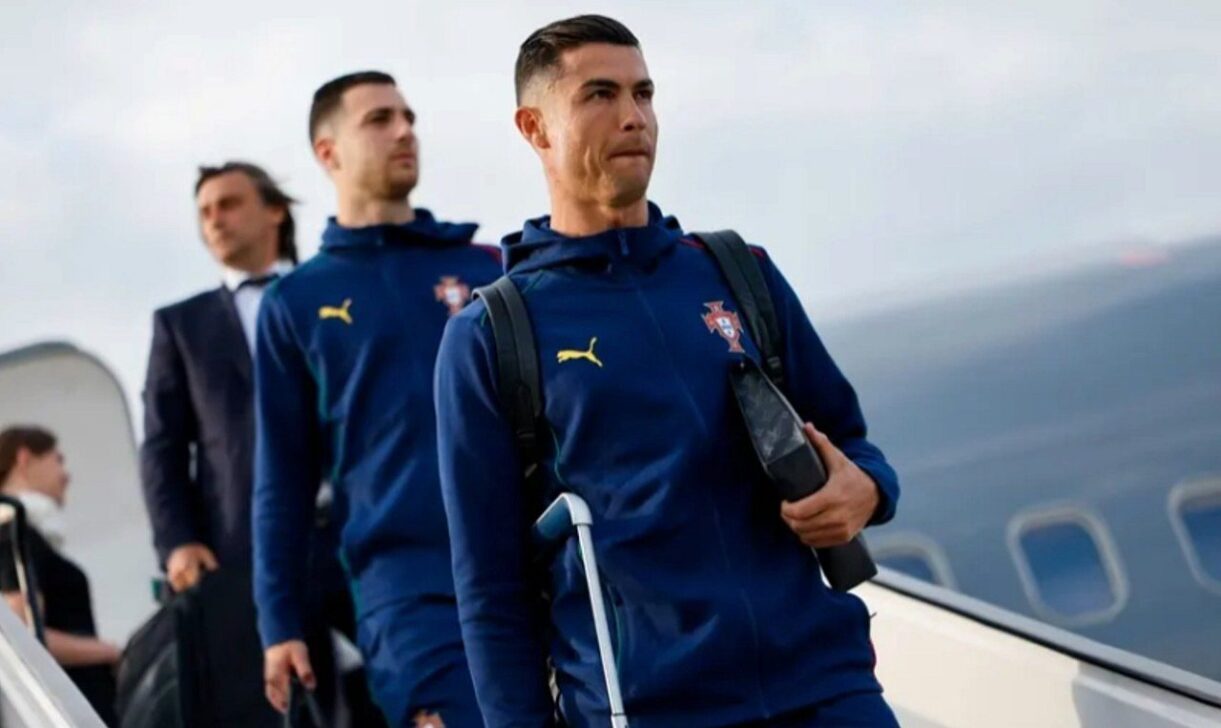
The 2026 World Cup setting stands out not only for its spectacle on the field, but also for its ostentatious display of luxury off it. Football players, previously discreet in their consumption habits, have become true ambassadors for brands and global trends.
The competition now extends beyond the four lines. At airports, hotels and training centers, the display of high-end accessories by athletes and their entourages captured the attention of the public and the media.
New facet of athletes as style icons
Items such as watches valued at millions, unique jewelry and handbags from globally renowned brands gained prominence in building the public image of these athletes. These sophisticated items now make up an essential part of your visual and social identity.
The discretion that once characterized the personal lives of athletes was replaced by calculated display. This change marks a departure from past generations, where wealth was symbolized by large assets, such as cars and mansions, now giving way to exclusive personal accessories.
Across digital platforms, photoshoots and public appearances, luxury has become part of the visual narrative. This strategy amplifies the reach of brands, which find players an unprecedented global showcase.
The luxury market driven by global football
The connection between high-performance sports and the luxury market gains even greater prominence during the World Cup. Items such as limited edition watches, personalized chains and exclusive glasses have established themselves as undisputed symbols of status and exclusivity.
Designer fashion transcends the players themselves and reaches their families and companions. During the tournament, iconic bags, such as those from the French brand Hermès, were the protagonists of looks paraded in the stands and shared widely on social media.
Specific models, such as the Hermès Kelly Mini, have become objects of universal desire in the fashion world. Some of these items, observed behind the scenes at the event, have values that can be comparable to those of high-end vehicles.
Consumer trends shaped by FIFA rules
A notable aspect of this edition of the World Cup is the influence of FIFA safety standards on fashion choices, especially among companions. Guidelines for access to stadiums have directly altered style and preferences for certain accessories.
The strict requirements to enter the arenas imposed limits on the size of the bags allowed, making larger and more traditional models unfeasible. This restriction led digital influencers and athletes’ families to opt for smaller, more compact versions of their favorite designer bags.
This adaptation meant that these specific, smaller models became true symbols of desire and fashion during the championship. This phenomenon highlights how regulations can, unexpectedly, dictate new trends in the luxury market.
Influencer players: examples of stars and their collections
Among the most blatant examples of this new era is striker Erling Haaland. According to international reports, the Norwegian national team player has a vast and valuable collection of luxury bags.
Haaland’s collection, which includes rare Hermès pieces, is estimated to be worth millions. This consolidates the athlete not only as a star on the field, but also as a collector and style icon.
Another star who displays an appreciation for designer items is Neymar. The Brazilian was seen on several occasions traveling with Louis Vuitton suitcases and bags, making his presence felt with accessories from the renowned French brand.
In addition to them, other athletes from the Brazilian team attracted attention when they arrived in the United States carrying accessories from renowned international brands, reinforcing the image of global celebrities.
Economic impact and cultural transformation of football
Experts in the fashion and luxury sector indicate that the visibility of these items goes far beyond personal aesthetics. The strong connection between players and major luxury brands catalyzes sponsorship contracts that reach million-dollar figures.
This association significantly reinforces the commercial positioning of athletes, who become powerful marketing platforms. The World Cup, in turn, with its massive global audience and unprecedented media coverage, is one of the biggest showcases for the luxury market.
Each public appearance of a player with a designer item can generate millions of interactions on social networks, increasing the value of products and brands linked to event participants.
This cultural phenomenon also highlights a profound transformation in contemporary football. Athletes are increasingly seen as global celebrities, wielding substantial power of influence.
This ability extends to dictating consumer trends, shaping behavior patterns and inspiring lifestyles that transcend the sporting universe, redefining the role of the modern star in society.