

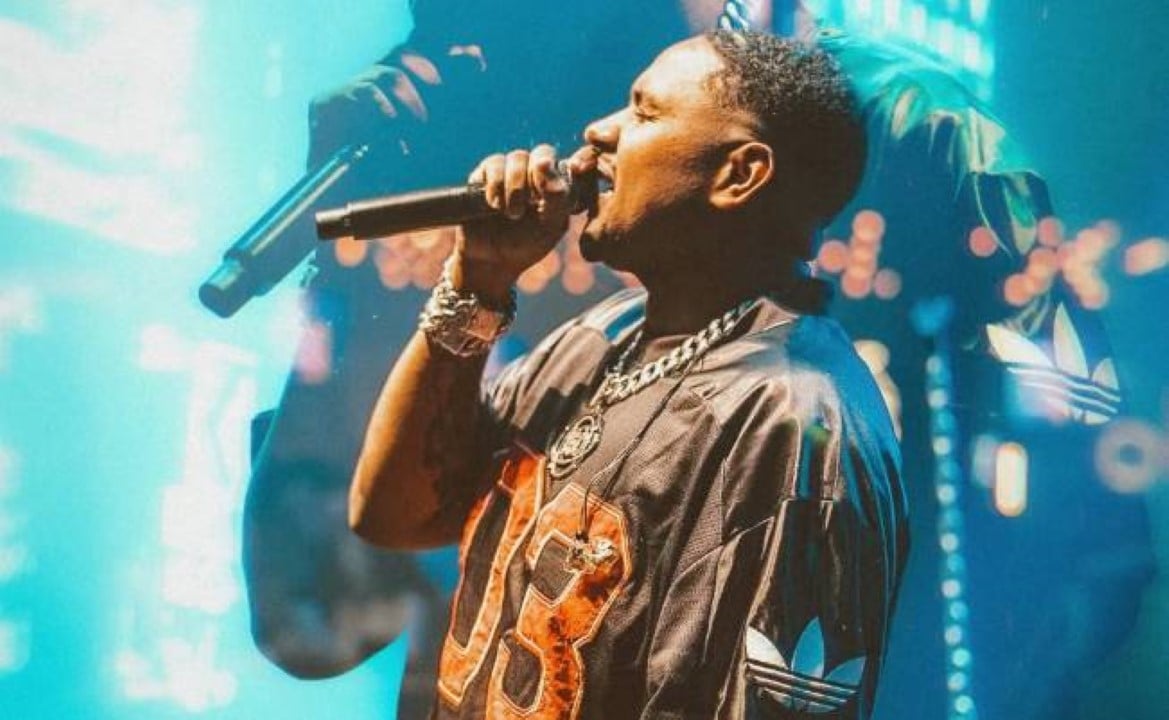
Developer Epic Games has just inserted a piece of Brazilian musical culture into one of the most played titles today, moving the gaming community and the music industry. The millions of daily active users in the virtual universe now have at their disposal the movements of the track “Tá OK”, a hugely commercially successful collaboration between Dennis DJ and MC Kevin O Chris. The introduction of this dance move as an official cosmetic item within the battle royale store not only consolidates the Rio singer’s work abroad, but also acts as a gigantic showcase for the national peripheral beat on a global scale, reaching an audience that consumes entertainment in a highly interactive way.
Impact of Brazilian peripheral music on the international gaming industry
The rhythm born in the communities of Rio de Janeiro has been breaking commercial barriers and conquering territories far beyond traditional audio streaming platforms. The inclusion of a creation by Kevin O Chris in the ecosystem of entertainment software that generates billions of dollars annually highlights a paradigm shift in the consumption of digital media. Historically marginalized, the musical genre proves its ability to adapt and engage in high-tech environments, reaching consumers in North America, Europe and Asia who may never have had contact with this sound through conventional means. The presence of the beat in a three-dimensional environment reinforces the export power of the country’s urban art.
Developers’ strategies for connecting artists and virtual players
The esports market has varied approaches to monetizing and honoring public figures within its servers. The arrival of the Brazilian artist occurs through the category of cosmetic items focused on bodily expressions, a different tactic from that applied to international rap or pop stars, such as Travis Scott and Ariana Grande, who received complete playable avatars and live events that paralyzed the servers. However, the availability of an animation based on a viral hit has an extremely fast and organic dissemination power. Competitors acquire movement using the system’s virtual currency to celebrate victories, provoke opponents or interact in waiting lobbies, transforming the original art into a constant non-verbal communication tool during survival matches.
- Increases user retention by offering weekly updated content based on real social media trends.
- It generates a new source of dollar revenue for the copyright holders of the musical work through licensing.
- It positions the artist in a technology market massively consumed by Generation Z and Generation Alpha, guaranteeing longevity to the hit.
The daily rotation mechanic of the game’s item shop creates a sense of urgency that drives sales of these cosmetics. When a licensed dance enters the catalog, it carries with it the rights to reproduce a specific piece of music, which requires complex copyright negotiations between the game producer and record companies. The success of this operation with a Brazilian artist demonstrates that the national licensing market has reached a level of maturity capable of meeting the legal and commercial requirements of the largest technology corporations in Silicon Valley.
Trajectory of the national hit to the battle royale servers
The path taken through the collaborative track to the North American company’s servers reflects modern consumer behavior and the strength of algorithms. Before becoming programming code and graphic animation, the sequence of steps dominated short video platforms, generating millions of organic reproductions and dance challenges replicated by celebrities and anonymous people. By capturing this behavioral trend, the shooter title ensures its fan base remains engaged with the latest in internet pop culture. The exact reproduction of movements within the virtual environment eliminates any language boundaries, making the choreography function as a universal language between squads made up of people of different nationalities.
Brazil’s representation in the digital entertainment scenario
The consolidation of this cosmetic release sets a valuable commercial precedent for other music producers and choreographers in the country. Having the signature of a funk artist registered in the catalog of a product that defines the direction of contemporary pop culture validates the export strength of peripheral art and attracts the eyes of foreign investors to the Brazilian creative market. This bridge built between Brazil’s recording studios and software development hubs shows that the language of digital entertainment requires diversity to remain profitable and relevant. The practical result is the opening of doors for future national productions to also find space on the virtual shelves of the world’s biggest technology releases, consolidating the country not only as a consumer of games, but as a supplier of intellectual property.