

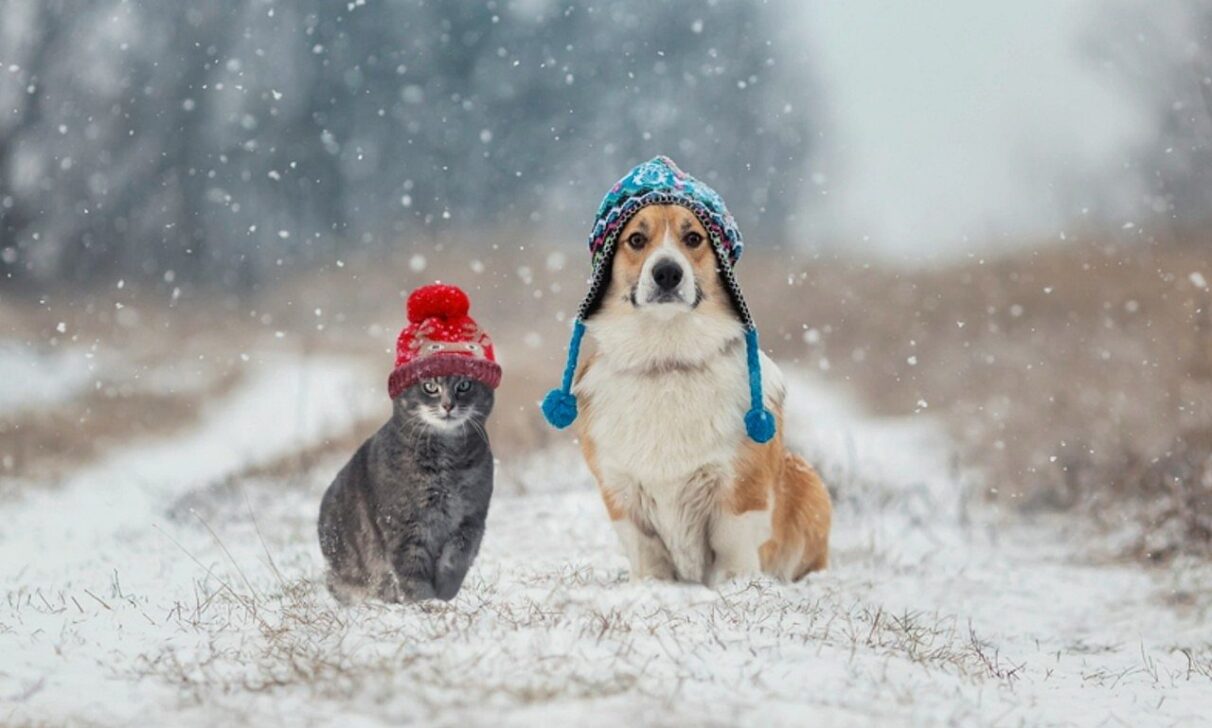
With the arrival of low temperatures in several locations in Brazil, attention to the health and well-being of dogs and cats becomes even more crucial. Although the coat offers natural protection, not all animals are equally prepared for the harshness of winter, requiring specific actions from their owners and the community in general.
Puppies, elderly animals, small animals and those with short hair are the most vulnerable group to intense cold. These pets can develop a series of health problems if they do not receive the necessary support, which requires careful and preventive care.
Dangers of the cold to animal health in winter
Prolonged exposure to cold can aggravate pre-existing health conditions in dogs and cats, as well as favoring the emergence of new illnesses. Low temperatures directly affect the respiratory system and can cause or worsen bronchitis and pneumonia. The cold also impacts the osteoarticular system, intensifying pain in animals with arthritis or osteoarthritis. Dermatological problems, such as dry skin and allergies, are also common.
Conceição Henrique, veterinarian and technical manager at CasAdote, emphasizes the need for rigorous observation. Shivering, excessive search for warm places, lack of appetite and sudden changes in behavior are warning signs that require immediate attention from owners, indicating that the animal may be suffering from the cold. Physiologically, pets’ bodies need to spend more energy to maintain their internal temperature, which makes them more susceptible to infections and debilitation.
Essential measures to protect your animals at home
Protecting pets at home is a simple task, but it requires consistency. Creating a warm and safe environment is essential to avoid health complications.
- Wind protection:Keep beds and shelters away from cold drafts, especially in areas near windows and doors.
- Elevated walkways:Offer beds that are not directly on the floor, as the cold surface can radiate moisture and ice, affecting the animals’ joints.
- Clean, dry blankets:Provide clean blankets and throws, changing them regularly to ensure a cozy and hygienic environment.
- Heated environments:Use heaters, if possible, to maintain a pleasant room temperature and avoid thermal shocks.
- Appropriate clothing:In some cases, specific clothing can help keep the body warm, as long as they do not restrict the animal’s movements or cause discomfort.
Adaptations to the routine of trips and external activities
The walking routine, essential for the physical and mental health of dogs, also needs to be adjusted during the winter. Veterinarian Conceição Henrique suggests that owners prioritize times when temperatures are milder. Avoiding walks in the early morning and late afternoon, when the cold is most intense, reduces the risk of exposure to extreme temperatures. The duration of the walk can also be slightly reduced to avoid colds and other problems.
Challenges faced by homeless dogs and cats
The winter scenario worsens considerably for the millions of dogs and cats living on the streets in Brazil. Without access to shelter, regular food or veterinary care, these animals are drastically more vulnerable. Hypothermia becomes an imminent threat, and the incidence of respiratory infections and other cold-related illnesses increases exponentially. The lack of protection exposes these defenseless beings to risks that seriously compromise their chances of survival.
Animal protection organizations report a significant increase in demand for rescues and assistance precisely at a time when their structures are already operating at their limit. The scarcity of resources and space makes the work even more challenging.
How the public can help vulnerable animals
The solidarity of the population is a decisive factor in alleviating the suffering of animals on the streets during winter. Small individual actions can make a big impact:
- Water and food supply:Make pots of clean water and food available in safe and secure locations.
- Improvised shelter:Use cardboard boxes, tarps or other materials to create temporary shelters that offer protection from wind and rain.
- Temporary reception:If there are safety and space conditions, temporarily taking in an animal can save its life until a permanent family is found.
- Disclosure:Share photos and information about animals in need on social networks and contact groups, increasing the chances of adoption or help.
- Donations:Contribute to independent shelters and protectors with donations of food, blankets, medicines or financial resources.
Veterinarian Conceição emphasizes the importance of each individual’s participation. Often, the capacity of NGOs is limited, and the attitude of offering a temporary home, even for a few days, makes a fundamental difference in an animal’s journey in search of a safe home.