With polymetallic province and 3.3 million tons of lithium, Nigeria positions itself in critical minerals By Maria
3 min read
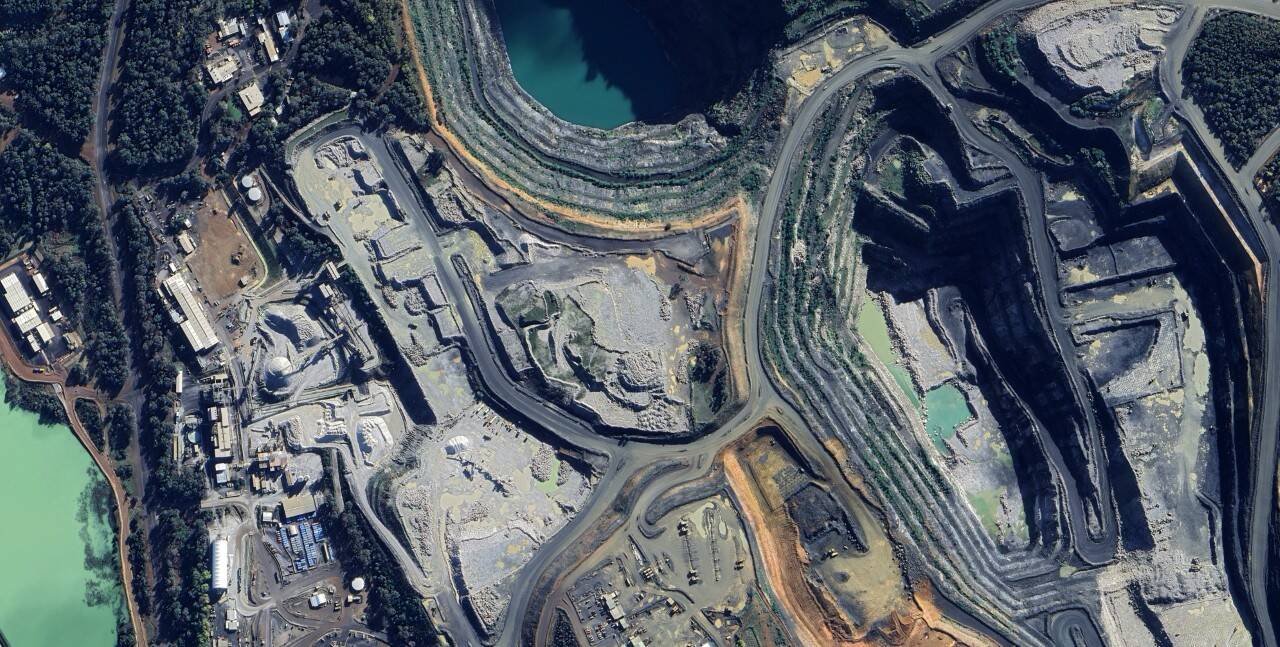 |
The Nigerian government recently released two important findings in the mining sector, which promise to change the country’s economic outlook. A global polymetallic mineral province has been identified in Kaduna State and lithium reserves estimated at 3.3 million metric tons have been identified near the capital, Abuja.
These strategic revelations were made during the African Natural Resources and Energy Investment Summit, highlighting Nigeria’s stance in actively pursuing economic diversification. Historically dependent on oil, the country is now looking to explore critical minerals to position itself in the global market, at a time of growing demand for these essential resources for clean energy technologies.
The area in Kaduna, according to analysis by the Nigerian Geological Survey Agency, encompasses deposits of precious and strategic metals. These include high-value platinum group metals, gold, nickel, copper, lithium and the coveted rare earth elements.
Such findings promise to consolidate Nigeria as a future center for essential minerals, capable of attracting foreign capital. This projection is in line with the government’s efforts to organize and supervise the national mining sector.
The official announcements took place at the 2026 African Natural Resources and Energy Investment Summit held in Abuja. This presentation reiterates Nigeria’s aspiration to elevate mining to a central level in the economic diversification strategy, aiming to reduce dependence on the oil industry.
For Dele Alake, Nigeria’s Minister of Solid Minerals Development, the discovery in Kaduna represents a significant milestone. He projects that the achievement could take Nigeria to a higher level in the international market for critical minerals, key components for the fast-growing clean energy and advanced manufacturing industries.
In the public presentation of the discoveries, Alake reinforced the importance of the find for the Nigerian mining sector. According to the minister, the deposits, which are of remarkably superior quality, could make the country one of the new global hubs for strategic minerals and mining contributions with a focus on sustainability.
The minister detailed that the newly found mineral province is rich in high purity deposits of platinum group metals, as well as gold, nickel, copper, lithium and rare earth elements, confirming the geological richness of the place.
“Recent prospecting, already confirmed by the Nigerian Geological Survey Agency, has identified a polymetallic mineral province of global relevance in Kaduna, with substantial deposits of gold, nickel, copper, lithium and rare earth elements,” said Alake.
Alake also reported that the discovery was the result of collaboration between the private company Steron Mining and the Nigerian Geological Survey Agency (NGSA), the latter being responsible for validating the findings.
Driving Nigeria’s ambitions in the critical minerals sector
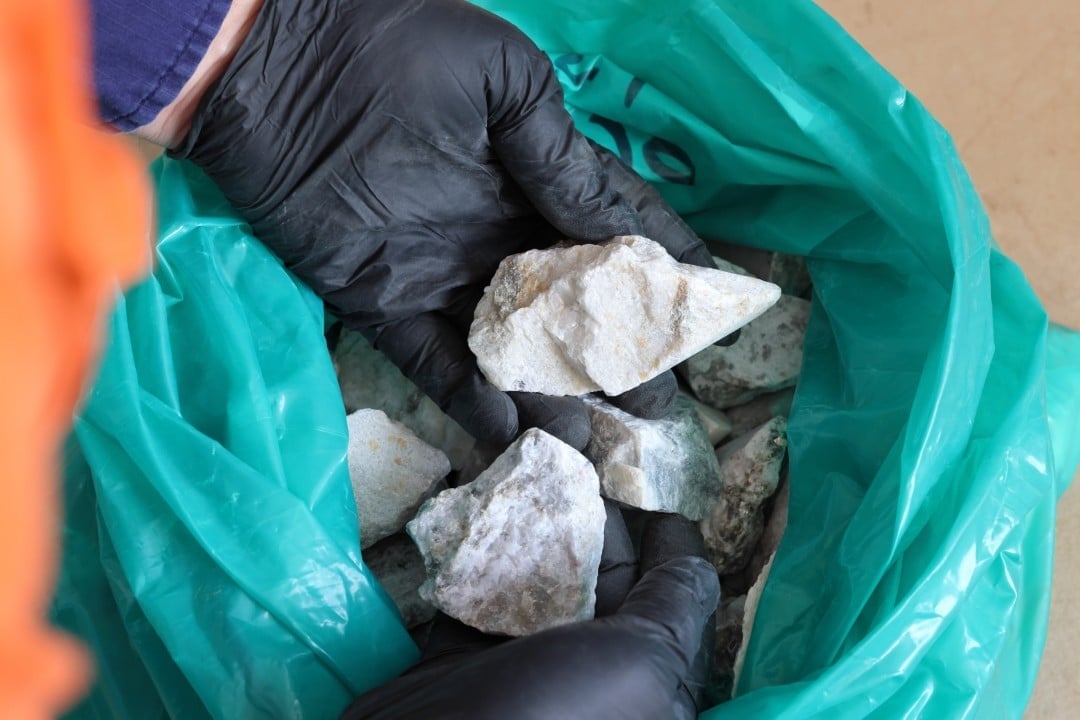
In addition to the statement on Kaduna, Steron Mining and Company Limited disclosed the discovery of approximately 3.3 million metric tons of lithium at its mining facilities, located in Abuja.
This notification takes place in a global scenario of intense competition for critical minerals. Such elements are essential in the manufacture of batteries for electric vehicles, in the construction of renewable energy infrastructures, in the production of semiconductors and in defense systems.
Minerals such as lithium, nickel, platinum group metals and rare earth elements continually gain value. Governments around the globe are accelerating the energy transition and seeking new sources of supply, seeking to reduce dependence on consolidated suppliers.
Nigeria has always been known for its vast but little explored mineral wealth. However, historically, this sector’s contribution to the country’s gross domestic product has been marginal, especially when compared to the significant share of crude oil.
If the discoveries in Kaduna and the lithium deposits near Abuja are successfully exploited, they could represent a crucial breakthrough for Nigeria. The country would establish itself as one of the main suppliers of critical minerals, especially given the continued escalation of global demand.
For one of the largest economies on the African continent, these findings mean a real chance to reduce dependence on income generated by oil. At the same time, it allows the construction of a mining industry that is competitive in the global race for resources that will fuel future generations of clean energy and advanced technologies.