The brain looks away: understand the psychological explanation for natural behavior in conversations
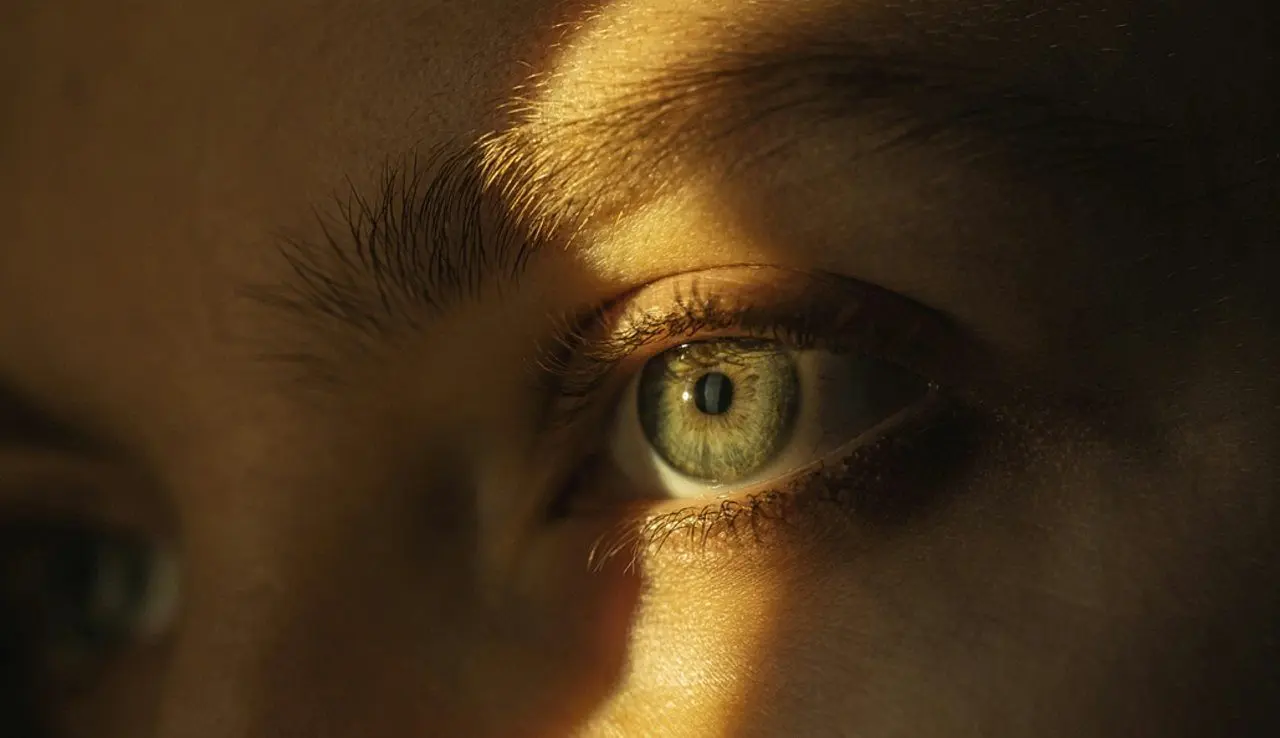
Recent studies in the field of psychology indicate that the action of looking at the floor, to the side or focusing on one point while talking is not necessarily associated with a lack of interest or some type of disappointment, contrary to popular perceptions.
In fact, several experts on the human mind converge on the idea that this behavior represents a biological and cognitive resource. Its purpose is to reduce the amount of visual stimuli from the surroundings, enabling the brain to process elaborate thoughts, retain detailed information and control both the emotional intensity and the anxiety caused by prolonged visual contact, an understanding that can improve the way we interpret social interactions.
On the same topic: Psychology reveals real reasons behind the growing rejection of birthday parties
How the brain uses visual reduction to avoid too much information
Maintaining uninterrupted eye contact places a significant burden on the central nervous system. When someone focuses their gaze directly on the face of their interlocutor, the brain needs to simultaneously and instantly decipher the facial expressions, eye movements and emotional reactions of the other individual.
More on this story: Horoscope of the day: Predictions for Libra show a period of decisive agreements and professional success
See Also

Nintendo launches nine games in May 2026 to unite Switch generations

NASA accelerates Artemis 3 mission with assembly of the Orion spacecraft and new tests
Apple system update crashes cell phones and drains battery quickly
In moments of dialogue that require the elaboration of complex responses or the organization of abstract reasoning, the human mind can be affected by a state known by psychologists as “cognitive overload”. Faced with this saturation, the act of looking away serves as a crucial break, stopping the entry of new visual information.
As psychologist Olga Albaladejo explains, this temporary visual interruption improves concentration and simplifies the location of exact words. Additionally, other scholars indicate that lateral eye movement often signals that the person searches memory regions to retrieve particular data.
Understand how practice helps manage anxiety and emotions in sensitive dialogues
However, excess information in the mind is not the only reason for interrupting eye contact. Individuals who are shy or face social anxiety often use looking away as an innate defense tactic, aiming to reduce stress levels and mitigate feelings of vulnerability or exposure.
Learn more: Psychology unravels the reasons behind many adults’ growing aversion to birthday celebrations
This behavior also appears regularly when the topics of conversation move into more intimate, delicate or uncomfortable spheres. Sustaining eye contact in discussions about personal issues intensifies the interactive dynamic, which can potentially create an excessive burden for those involved.
In situations like these, diverting visual attention acts as a resource for emotional self-regulation. It enables individuals to continue with communicative interaction, avoiding being dominated by the pressure of the social context.