Console market declines after increase in Xbox and PS5 prices

The Xbox Series S, designed as the most affordable gateway to the current generation of consoles, will undergo a significant price adjustment. From August 1, 2026, the lowest-cost version of the console will reach US$499.99, marking the end of its initial pricing strategy.
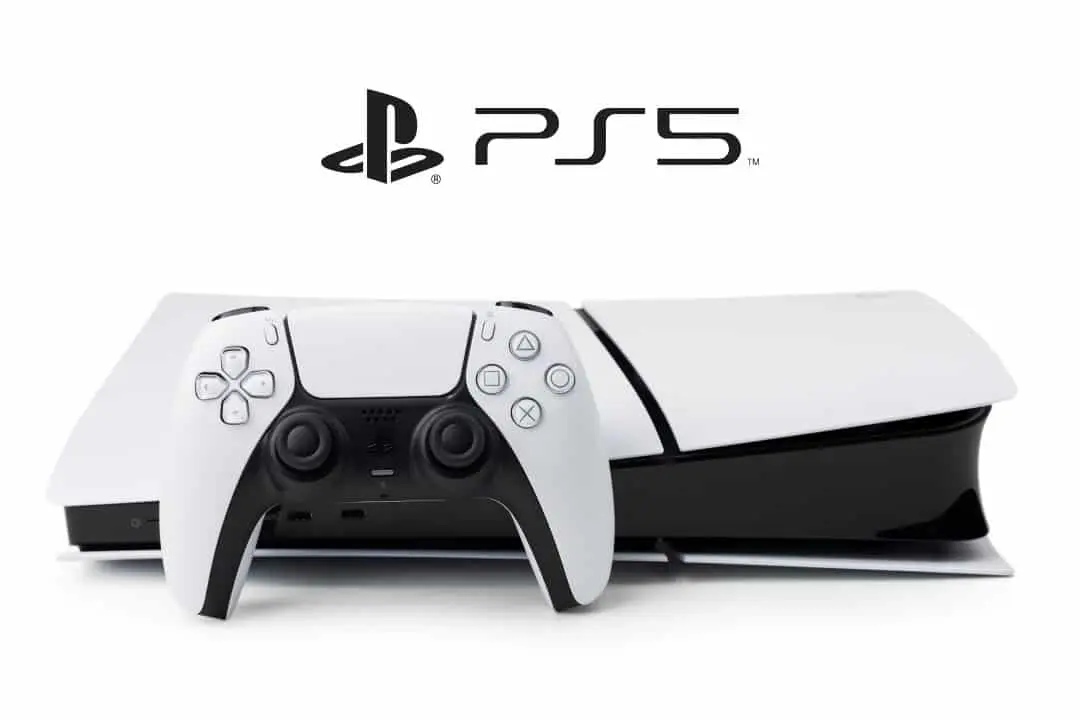
In parallel, the PlayStation 5 Pro, launched in 2024, has already seen an increase of US$200 in value since its arrival on the market. These two adjustments to consoles on different platforms signal a clear and worrying trend for the industry.
The surges are not isolated events or one-off supply chain failures; indicate multifaceted pressure on the console market. In this way, it is the end consumers who are absorbing the high cost.
Chip shortage remains a challenge and puts pressure on manufacturing costs
The main reason for the price rise lies in the persistent shortage of chips. Unlike the crisis seen during the COVID-19 pandemic, which had a faster resolution cycle, the current projection indicates that the problem will last for a longer period. Technology giants, including Microsoft, are purchasing large volumes of memory to support artificial intelligence infrastructure and data center expansion. Demand for these components shows no signs of slowing down, with some analysts predicting that the crisis could last until the year 2030.
More on this story: Tim Cook warns about soaring chip prices and impacts on Apple sales
For the gaming hardware sector, the situation is straightforward: fewer chips available for consumer electronics result in higher manufacturing costs. These additional costs are passed directly to buyers, as console manufacturers are unable to absorb the impact.
Historically, the economics behind console production have always been intricate. Platform companies used to sell hardware at a loss or at break-even, making up margins through software sales and subscriptions. This model, which aimed to attract customers with a low initial price, works only when manufacturing costs remain predictable. However, in the current situation, this predictability is absent, making the model unsustainable without price adjustments.
Changing player habits intensifies the challenging scenario
The increase in the price of consoles would be less harmful if they were the only entertainment option. However, the current scenario is very different, with the diversification of gaming platforms.
The new generation of gamers isn’t just waiting for a traditional $500 console to have under their TV. They are engaged in games like Roblox on their mobile phones, tablets, PCs and handheld devices, which offer a satisfying gaming experience. The cost of dedicated hardware becomes more difficult to justify when there are already available and more affordable alternatives.
This transformation in consumer habits has been consolidating for several years, and recent price increases only accelerate this trend. Every time the cost of entry for a console rises, more potential buyers opt for other alternatives and are unlikely to return to the traditional console market.
See Also

Learn how to identify intrusions on WhatsApp and avoid financial fraud

PlayStation 5 owners gain lifetime access to three great games

Russian Islam Makhachev dominates Ian Machado Garry and wins main fight at UFC 330
Learn more: Growth in demand for AI boosts TSMC’s revenue by 68% and reaffirms leadership in semiconductors
Grand Theft Auto VI, a highly anticipated launch, will likely drive a short-term boost in console sales when it hits the market. However, events of this magnitude are rare in the industry, which cannot depend on launches that occur only once per generation to support its planning.
Impact on developers and the entire gaming ecosystem
The reduction in the number of console owners doesn’t just affect hardware manufacturers; it causes a restructuring of the entire ecosystem that surrounds it.
Developers and distributors that depend on the console audience are already observing the decline in their user bases with concern. A smaller audience for consoles means reduced markets for high-budget exclusives, directly impacting development decisions, pricing strategies and platform prioritization. The effects of these changes reach all layers of the gaming industry.
For players who persist in using consoles, the platform experience itself may be altered. Platform holders will be forced to look for new sources of revenue, which could make subscription services, higher digital prices and platform fees more attractive options as hardware sales volume declines.
It will be critical to monitor Sony and Microsoft’s responses over the next 12 to 18 months. Both companies have been expanding their presence in the PC and cloud markets, and a declining console market could accelerate this strategic shift. Xbox, in particular, has been investing in a multiplatform future for years, and current economic pressures could be the catalyst that finally brings this transition to fruition.
On the same topic: Estimated adjustment of Social Security in 2027 points to a fall with a slowdown in inflation
Perspectives for the future of the console market
Consoles certainly won’t disappear from the gaming scene, but the user base is likely to shrink. This decrease will inevitably reshape what gets developed, how it gets funded, and the average gaming experience in the next generation.
The next few years will be decisive in determining whether console games will maintain their status as a mass product or evolve into a premium niche. The current price trajectory clearly indicates the second direction.