Giant waves appear in Philippine lake after Taal volcano erupts with ash column
Strong eruptive activity at the Taal volcano, located in the Philippines, released a dense column of ash and steam that rose to an impressive 1,200 meters high. The natural phenomenon, visible in video records, also generated considerable waves on the surface of the lake that fills the volcano’s crater. This event highlights the volatile nature of one of the country’s most active volcanoes.
The impact of the eruption and the ash cloud
The volcanic material was projected with great vigor, marking the intensity of Taal’s recent manifestation. The dark cloud, made up of ash and steam, quickly rose over the landscape, creating an alert scenario in the region. The visibility of the phenomenon was remarkable, recorded from different angles and causing concern among residents.
On the same topic: Texas panhandle region hit by 5.0 magnitude earthquake in rare event in US
Giant waves formation in the crater lake
In addition to the projection of material, the eruption triggered a surprising effect on the water that fills the volcano’s crater. Large waves formed on the surface of the lake, an event that lasted about five minutes. This occurrence highlights the complexity of volcanic phenomena and their secondary impacts.
The unique geological structure of Taal volcano
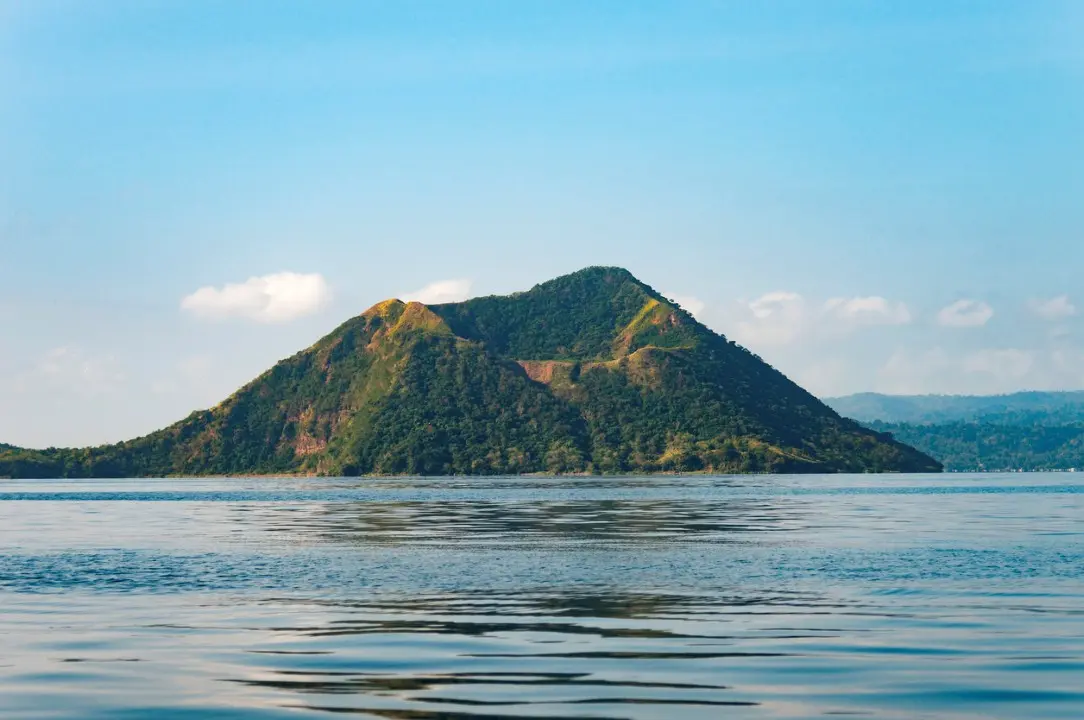
Taal volcano is recognized for its unique structure and high activity, being one of the most monitored in the Philippines. It is classified as a complex caldera, where a volcanic island is inserted into a lake, which in turn, is inside a larger caldera. This intricate formation contributes to its unpredictability and the variety of phenomena it can present.
More on this story: Lake Natron turns animals into natural mummies through extreme evaporation cycles
See Also

Learn how to identify intrusions on WhatsApp and avoid financial fraud

PlayStation 5 owners gain lifetime access to three great games

Russian Islam Makhachev dominates Ian Machado Garry and wins main fight at UFC 330
History of large eruptions and associated risks
Taal’s history is marked by devastating eruptions, some of which caused significant loss of life and property. Its location in a densely populated area makes each eruptive episode a considerable threat. Philippine authorities maintain constant monitoring to assess risks and ensure the safety of nearby communities.
Monitoring and emergency plans for the population
Faced with the unpredictability of the volcano, civil protection agencies in the Philippines maintain an alert system and evacuation plans ready to be activated. Residents of the region are frequently educated on emergency procedures. Collaboration between the government and the population is crucial to mitigate the possible impacts of future volcanic activities.