Study reveals that polyglots can have a brain up to 13 years younger with fluency in four languages

New findings indicate that proficiency in multiple languages can prolong brain youth. Recent research shows that the more languages an individual masters, the greater the delay in the brain’s aging process, preserving cognitive functions more effectively.
The conclusions were released by a team of experts from the Basque Center for Cognition, Brain and Language, located in Spain. Scientists presented the results at a forum hosted by the European Union of Neuroscience Societies, detailing the link between multilingual living and intricate brain connectivity.
To measure brain age, researchers used magnetoencephalography (MEG) techniques combined with artificial intelligence. The data showed that bilingual people had a brain age estimated to be six years younger, while trilinguals had a seven-year advantage compared to those who spoke only one language.
Learn more: Study reveals: short daytime naps change the brain and improve learning
The most impressive result was observed in individuals who mastered four languages: brain aging in these cases was delayed by an incredible 13 years, demonstrating a substantial impact of multilingualism.
See Also

Hurricane Lala arrives in Hawaii with winds of 120 km/h and closes airports

Lucas, singer of the country duo Lucas & Matheus, died in Portugal after a heart attack

Workers from seven professions guarantee INSS retirement in 15 years
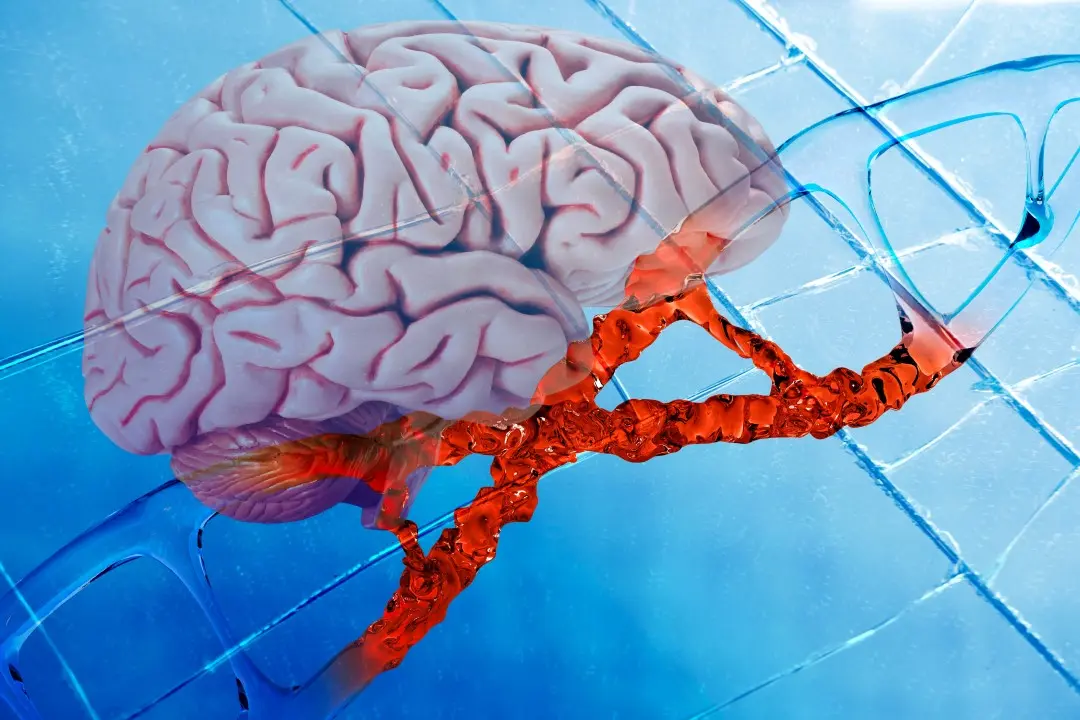
Scientists explained that anti-aging benefits are most evident when learning a second language begins at an early age and when the level of fluency achieved is high. These conditions amplify the protective effects on gray matter.
On the same topic: Daily habits that accelerate brain aging
This suggests that the secret to slowing brain aging lies not just in knowing a foreign language, but in the depth and constancy of immersion and linguistic practice throughout life, continuously activating different areas of the brain.
Although the study considered variables such as level of education, the researchers highlighted that external factors, such as a healthy lifestyle adopted by many multilingual speakers, cannot be completely excluded as contributors. Even so, experts reiterate the fundamental importance of continuous language learning as a powerful strategy for safeguarding brain cognitive health.