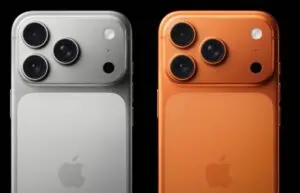
IPhone 18 Pro price increase seems inevitable after setback in Apple’s strategy with new suppliers
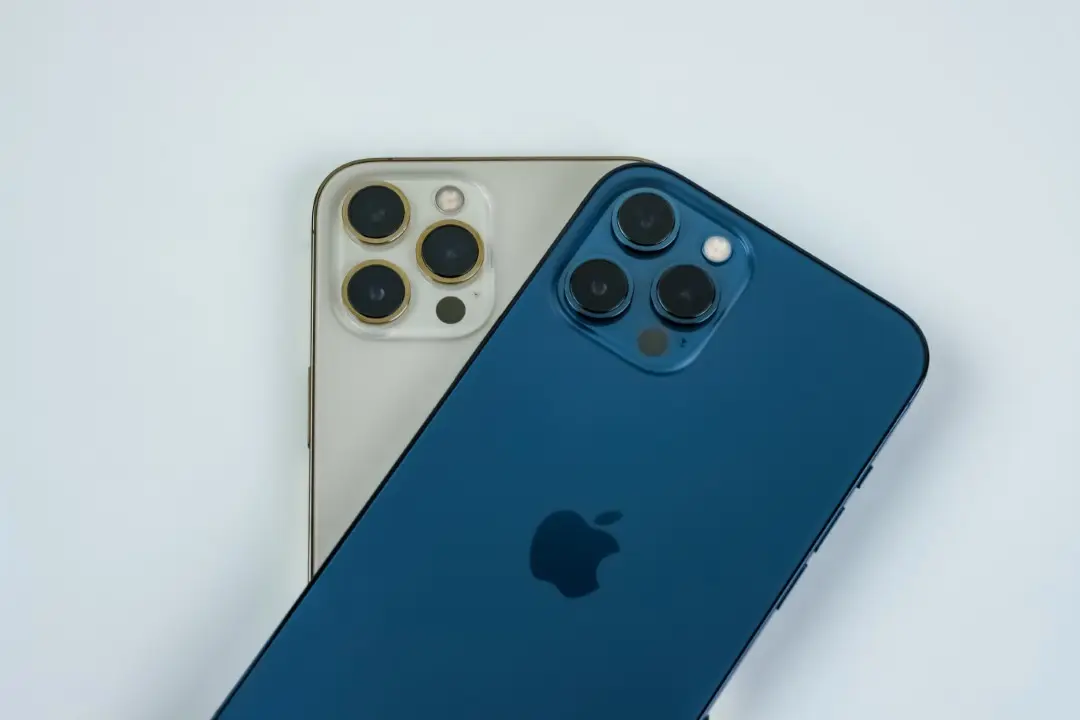
Apple’s strategy to avoid an increase in the cost of the iPhone 18 Pro has failed, indicating that the price of the next model may be higher. The tech giant was looking to integrate Chinese memory maker CXMT into its supply chain to reduce expenses, but the adoption of new WMCM packaging for the A20 Pro chip limits production of the Pro line to just Samsung and SK Hynix at the moment.
What factors prevent CXMT memory from being used in the iPhone 18 Pro?
The impediment to the inclusion of CXMT memory is not related to political or trust issues, but rather to packaging technology. The A20 Pro chip is transitioning to the WMCM (Wafer-Level Multi-Chip Module) format, an innovation that repositions DRAM memory from the surface to the side of the processor. This is the first time that Apple has implemented such a change, requiring intense and prolonged coordination between memory suppliers and the company’s chipset development team.
Companies like Samsung and SK Hynix already have extensive experience in this type of coordination. On the other hand, CXMT is a recent partner and is focused on testing its chips for the Chinese market, which means there is no deadline for its memory to be certified before the debut of the iPhone 18 Pro, scheduled for September. Apple, which divides its memory orders between Samsung, SK Hynix and Micron, seeks to expand its supplier base with CXMT and YMTC, both Chinese, to ensure the necessary volume of chips and meet its delivery targets.
More on this story: IPhone 18 Pro production cost could rise 38% with RAM memory crisis
Why is the price rise consolidated and how will buyers of other cell phones also be affected?
For consumers interested in the Pro version, this circumstance removes the last chance to keep costs under control. Previous projections already indicated a starting value of up to $1,399, an estimate that becomes even more likely and difficult to avoid now that a lower-cost memory supplier has been made unfeasible.
See Also

Learn how to identify intrusions on WhatsApp and avoid financial fraud

PlayStation 5 owners gain lifetime access to three great games

Russian Islam Makhachev dominates Ian Machado Garry and wins main fight at UFC 330
However, this issue is not restricted to Apple alone. Consumers who plan to purchase a Galaxy S26 Ultra, for example, should not assume that it will be impact-free. Samsung, at the beginning of this year, already raised the prices of its models with greater storage capacity for the same reason: memory, previously a priority for smartphones, is increasingly being directed to artificial intelligence data centers, where demand and profitability are considerably greater.
Unfortunately, the inclusion of CXMT chips in current generation Pro models is no longer viable, regardless of how the supply partnership develops in other segments.
Which Apple model could be more affordable in the future?
The scenario for the standard iPhone 18 is different. Expected to be launched only in the spring of 2027, this model offers CXMT about an additional year to validate its chips, and there is information that Apple is already exploring this alternative. Integrating CXMT into Apple’s supply chain is a broader goal, and entry-level models remain the most likely to receive these components, especially as they must maintain PoP packaging, an older technology that the Pro line is abandoning. Thus, the expectation of more affordable prices via Chinese memory is more likely to come true next year than this September. While Apple was able to hold the iPhone 17 Pro’s starting price last year even under similar pressure, the complete elimination of the CXMT option for the WMCM packaging for this generation makes repeating that feat considerably more difficult.
Supplier diversification does not guarantee lower prices for the consumer
Although Apple’s diversification of memory suppliers may initially seem beneficial to consumers, the reality is different. The inclusion of CXMT and YMTC is primarily to ensure the memory volume needed for the company’s delivery goals, especially with artificial intelligence data centers consuming a growing share of global DRAM production. This strategy does not seek to offer discounts to buyers. Even disregarding other questions about Chinese memory, the price of the iPhone 18 Pro was already projected to rise this year, and the packaging change only solidifies that prediction. The standard iPhone 18 may still reap benefits from this change in the future, but the Pro models will face the price increase regardless.