Ballon d’Or: Can Messi win the award playing outside Europe? Understand the rules

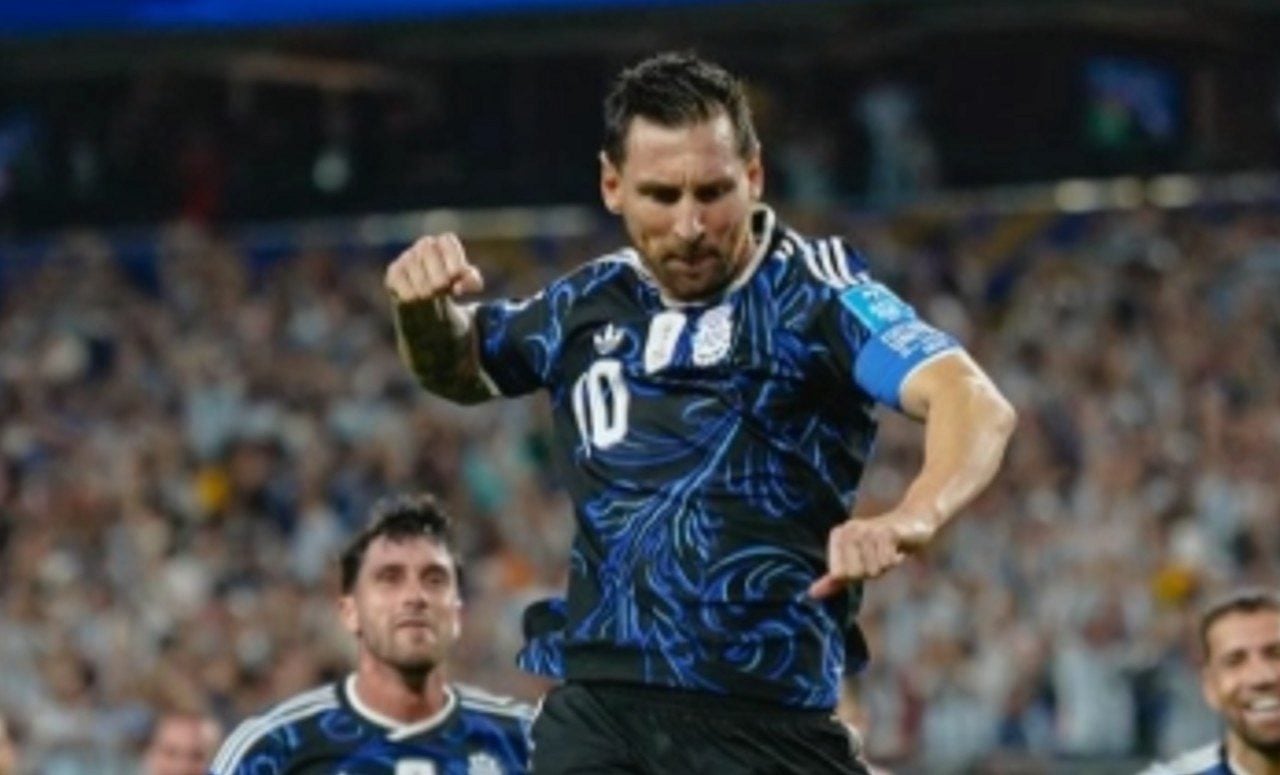
The Ballon d’Or organization resolved a frequent question among football enthusiasts this Thursday, July 16, 2026. The institution published a statement detailing that any athlete can win the prestigious trophy for best player, regardless of their performance in European clubs. This information generated great repercussion online, especially as it was released the day after Inter Miami player Lionel Messi secured his place in the World Cup final.
In fact, Messi himself inaugurated this new type of champion. In 2023, just a few months after his transfer from Paris Saint-Germain to Inter Miami, the iconic number 10 secured his eighth Ballon d’Or. He became the first male athlete to receive the honor while representing a team from outside the European continent. Among women, Megan Rapinoe had already made history in 2019, winning an award while playing for the Seattle Reign.

In evaluating that period, the award took into account the players’ performance between August 1, 2022 and July 31, 2023. Despite not having great moments for clubs that season, Messi led Argentina to victory in the World Cup, hosted in Qatar. He was recognized as the championship’s main player, scoring seven goals and providing three assists, as well as being awarded the FIFA The Best award.
“Yes, it is perfectly possible to win the Ballon d’Or without playing for a European club. Historically, it may seem like a more arduous task, but the rise of several leagues outside of Europe is changing this panorama. Nothing is impossible when it comes to the award. Anyone, regardless of the league they play in, can, technically, win it”, declared the official award page. This statement reinforces a movement towards global recognition, opening doors for emerging talents in football markets that are increasingly gaining visibility and competitiveness.
Messi’s remarkable performance at the 2026 World Cup has positioned him as one of the top contenders for this season’s coveted prize. During the competition, he not only became the greatest scorer in the history of the World Cup, but also leads the current edition’s artillery, tied with eight goals alongside Mbappé.
Additionally, the Argentine star scored the decisive goal in the comeback victory over Egypt in the round of 16, and was responsible for the assist that allowed Lautaro to seal Argentina’s qualification against England in the semi-final.
In the previous season, Paris Saint-Germain’s Ousmane Dembélé was recognized as the best player in the world. Brazil has won the Ballon d’Or five times in its history, with Ronaldo (in 1997 and 2002), Rivaldo (1999), Ronaldinho Gaúcho (2005) and Kaká (2007).
Historical Ballon d’Or winners
- 1956 – Stanley Matthews (ENG) – Blackpool
- 1957 – Di Stéfano (ESP) – Real Madrid
- 1958 – Raymond Kopa (FRA) – Real Madrid
- 1959 – Di Stéfano (ESP) – Real Madrid
- 1960 – Luis Suárez (ESP) – Barcelona
- 1961 – Sivori (ITA) – Juventus
- 1962 – Josef Masopust (TCH) – Dukla Prague
- 1963 – Yashin (RUS) – Moscow Dynamo
- 1964 – Denis Law (ESC) – Manchester United
- 1965 – Eusébio (POR) – Benfica
- 1966 – Bobby Charlton (ENG) – Manchester United
- 1967 – Flórián Albert (HUN) – Ferencváros
- 1968 – George Best (NIRL) – Manchester United
- 1969 – Gianni Rivera (ITA) – Milan
- 1970 – Gerd Müller (ALE) – Bayern Munich
- 1971 – Johan Cruijff (HOL) – Ajax
- 1972 – Franz Beckenbauer (ALE) – Bayern Munich
- 1973 – Johan Cruijff (HOL) – Barcelona
- 1974 – Johan Cruijff (HOL) – Barcelona
- 1975 – Oleg Blokhin (UCR) – Kiev Dynamos
- 1976 – Beckenbauer (ALE) – Bayer Munich
- 1977 – Allan Simonsen (DIN) – Borussia Mönchengladbach
- 1978 – Kevin Keegan (ENG) – Hamburg
- 1979 – Kevin Keegan (ENG) – Hamburg
- 1980 – Rummenigge (ALE) – Bayern Munich
- 1981 – Rummenigge (ALE) – Bayern Munich
- 1982 – Paolo Rossi (ITA) – Juventus
- 1983 – Michel Platini (FRA) – Juventus
- 1984 – Michel Platini (FRA) – Juventus
- 1985 – Michel Platini (FRA) – Juventus
- 1986 – Igor Belanov (UCR) – Kiev Dynamo
- 1987 – Ruud Gullit (HOL) – Milan
- 1988 – Van Basten (HOL) – Milan
- 1989 – Van Basten (HOL) – Milan
- 1990 – Matthäus (ALE) – Inter Milan
- 1991 – Jean-Pierre Papin (FRA) – Olympique de Marseille
- 1992 – Van Basten (HOL) – Milan
- 1993 – Baggio (ITA) – Juventus
- 1994 – Stoichkov (BUL) – Barcelona
- 1995 – Weah (LIB) – Milan
- 1996 – Sammer (ALE) – Borussia Dortmund
- 1997 – Ronaldo (BRA) – Inter Milan
- 1998 – Zidane (FRA) – Juventus
- 1999 – Rivaldo (BRA) – Barcelona
- 2000 – Figo (POR) – Real Madrid
- 2001 – Owen (ENG) – Liverpool
- 2002 – Ronaldo (BRA) – Real Madrid
- 2003 – Nedved (TCH) – Juventus
- 2004 – Shevchenko (UCR) – Milan
- 2005 – Ronaldinho Gaúcho (BRA) – Barcelona
- 2006 – Cannavaro (ITA) – Real Madrid
- 2007 – Kaká (BRA) – Milan
- 2008 – Cristiano Ronaldo (POR) – Manchester United
- 2009 – Messi (ARG) – Barcelona
- 2010 – Messi (ARG) – Barcelona
- 2011 – Messi (ARG) – Barcelona
- 2012 – Messi (ARG) – Barcelona
- 2013 – Cristiano Ronaldo (POR) – Real Madrid
- 2014 – Cristiano Ronaldo (POR) – Real Madrid
- 2015 – Messi (ARG) – Barcelona
- 2016 – Cristiano Ronaldo (POR) – Real Madrid
- 2017 – Cristiano Ronaldo (POR) – Real Madrid
- 2018 – Modric (CRO) – Real Madrid
- 2019 – Messi (ARG) – Barcelona
- 2020 – There were no awards
- 2021 – Messi (ARG) – PSG
- 2022 – Benzema (FRA) – Real Madrid
- 2023 – Messi (ARG) – Inter Miami
- 2024 – Rodri (ESP) – Manchester City
- 2025 – Dembélé (FRA) – PSG