Clandestine sale of retatrutida soars in Brazil without approval and Anvisa warns of serious risks By Luís Henrique Costa
9 min read
 |
Retatrutide, a promising drug for treating obesity, is being sold illegally in Brazil, despite not being approved for sale in any country in the world. Currently, the only legitimate way to receive a dose of the substance is to participate in one of the clinical studies conducted by Eli Lilly, the pharmaceutical company responsible for the molecule, which is still in the research phase.
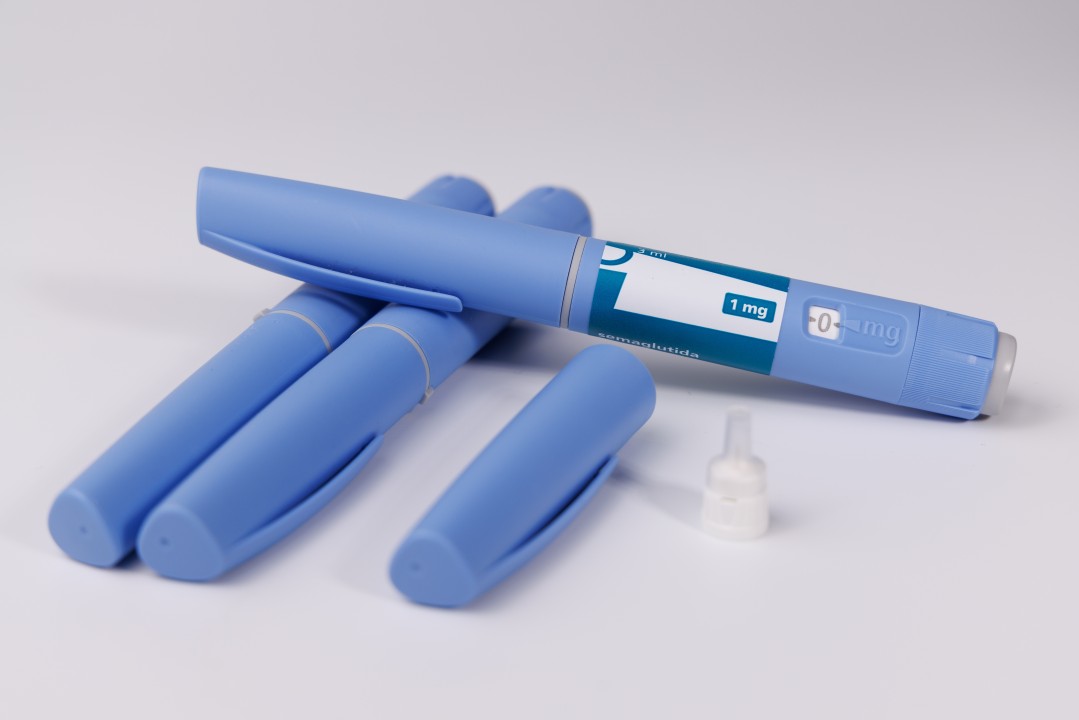
Pens supposedly containing retatrutida are advertised on online platforms and social networks and have been the target of seizures at Brazilian borders. This parallel trade takes place months before the company itself completes the necessary research for the official registration of the product.
The seizures carried out by the Federal Revenue Service and the National Health Surveillance Agency (Anvisa), mainly on the Foz do Iguaçu border, demonstrate the escalation of the problem. In the first three months of 2026 alone, the value of R$11 million in products was retained, exceeding the total seized in the entire year 2025 and indicating the rapid expansion of this clandestine market.
In March 2026, even before Eli Lilly released consolidated results of the studies, a company in Paraguay was already promoting the production of pens with the substance at an event with Brazilian influencers.
The first substantial data on retatrutide were released in June 2026. A study published in The Lancet found an average loss of 28.3% of body weight in patients with type 2 diabetes who received the highest dose of the drug.
During the presentation of these results at the American Diabetes Association congress, Eli Lilly’s own representatives already expressed concern about the illegal circulation of the substance before its official existence.
Anvisa’s formal alert came on July 24, 2026, when the agency confirmed that the retatrude remains in clinical development and had no application for registration filed either in Brazil or in any other country.
Retrofit approval process and remaining steps
Being in an advanced testing phase does not mean that the medicine is close to being made available to the public in pharmacies.
According to Anvisa, before requesting approval from any regulatory body, Eli Lilly needs to complete a series of studies. This research is essential to determine the ideal dose that balances benefit and risk, identify all adverse effects, including rare complications in larger groups, define contraindications and interactions with other medications, in addition to confirming the maintenance of the effect on weight in the long term.
Only after completing these steps can the company begin the registration process. Regulatory agencies then analyze the composition of the product, the manufacturing method and the quality control standards of the producing plant. To date, none of these requirements have been met, meaning that any product currently sold as retatrutide precedes the drug’s own legality.
In a statement sent on July 24, 2026, Eli Lilly confirmed the current stage of the research, stating that retatrutide is in phase 3 of clinical studies and “has not yet been evaluated or approved by any regulatory authority in the world.” The company emphasized that “no one can commercialize the product.”
The pharmaceutical company considers it premature to speculate on approval or commercialization deadlines, reiterating that the molecule “will only be considered for regulatory submission after the completion and evaluation of clinical studies”, making it clear that there is no forecast for the drug’s launch on the market.
Understand the functioning and composition of the retatrutida
Retatrutide belongs to the same category of medicines that includes Ozempic, Wegovy and Mounjaro, but its mechanism of action is different, which makes it an advance in the area.
While semaglutide acts on the GLP-1 hormone and tirzepatide combines GLP-1 and GIP, retatrutide operates simultaneously on three receptors, adding glucagon to the other two.
The hormones GLP-1 and GIP are released by the intestine after meals, signaling satiety to the brain and helping the pancreas control insulin. Glucagon, in turn, is what sets Retatrutida apart, as it stimulates the body to consume more energy, even at rest.
Researchers believe that this triple action can amplify both weight loss and metabolic effects, surpassing the results of medications that act on just one or two of these mechanisms.
The phase 3 TRIUMPH-1 study, which investigated more than 2,300 adults with obesity or overweight associated with some comorbidity, offers the most consistent data to date. Among participants who received the highest dose of 12 mg, an average loss of 28.3% of body weight was observed in 80 weeks, which corresponds to up to 31.9 kg.
Almost half of the group achieved a reduction of at least 30% of their initial weight, a level comparable to certain bariatric surgeries. Approximately 65% of participants were no longer classified as obese by the Body Mass Index (BMI) at the end of the period. In patients with more severe obesity who continued in an extension study for 104 weeks, the average loss reached 38.5 kg.
An additional study, published in Lancet, involving 930 adults with type 2 diabetes, revealed similar weight loss results and a reduction in blood sugar that was more than double that seen in the placebo group.
The same research found significant improvements in other conditions, such as reductions of 60.6% in sleep apnea severity and up to 73.1% in knee osteoarthritis pain among affected participants. There were also improvements in indicators of cardiovascular risk, including waist circumference, triglycerides, blood pressure and systemic inflammation.
The most frequently reported adverse effects were of a gastrointestinal nature, such as nausea, diarrhea, constipation and vomiting. The treatment dropout rate increased proportionally to the dose administered: 4.1% for 4 mg, 6.9% for 9 mg and 11.3% for 12 mg, compared with 4.9% in the placebo group.
Mild sensory changes and an increase in the incidence of urinary infections were also noted in some participants, effects that were classified by the manufacturer as mild to moderate.
Safety risks and unknown origin of illegal doses
Outside of official testing, retatrutida is not industrially manufactured in any country, which completely transforms the dangers associated with its clandestine use.
Clayton Macedo, director of the Brazilian Society of Endocrinology and Metabology (SBEM), explains that the main concern lies in the composition and origin of the product sold. He highlights that retatrutide is a complex molecule and a sterile compound, which raises serious doubts about the safety of illegal products.
According to the expert, the problem is not restricted to the lack of effectiveness. It involves risks of contamination by other substances, the presence of unknown components, bacterial contamination – a particular danger for a compound that requires sterility – and immunogenicity, that is, the organism’s ability to develop a severe allergic or immunological response to the molecule.
Macedo recalls that every new molecule in this category is subjected to rigorous and mandatory tests to verify the formation of antibodies against the substance itself, as reactions can be serious.
“There is Stevens-Johnson syndrome, which causes a severe, scaly skin reaction, which can happen due to medications”, he warns.
The doctor also mentions the risks related to the thermal conservation chain. Without adequate refrigeration, the product may have its substances precipitated, generating allergic reactions or producing toxic compounds that affect organs such as the liver, heart and brain, in addition to causing local inflammation.
For Macedo, the active pharmaceutical ingredient used in these clandestine pens generally comes from alternative production in countries that disregard patent requirements. He classifies the situation as “absurd, because it is a medication with absurd potential and it is the hot topic”, in reference to the interest generated by the substance.
Fernando Valente, coordinator of the Diabetes Education Department of the Brazilian Diabetes Society (SBD) and director of the Diabetes Department of SBEM, emphasizes that the retatrutide has not yet been launched, not even by the laboratory that holds the patent.
“You really have no idea what’s inside that pen,” he says. “There is no way to know the real concentration, whether there are residues from the manufacturing process or whether the substance present in the pen is, in fact, the retatruda.”
Valente points out that the most immediate risks include:
- important gastrointestinal symptoms;
- possible mixing with other substances (such as semaglutide, tirzepatide or even vitamins that alter the speed of absorption);
- increased risk of pancreatitis, as weight loss of more than 1 kg per week can increase the likelihood of gallstone formation.
He reinforces that the use of the substance without medical supervision further worsens the situation, given the lack of laboratory evaluation, monitoring of body composition and guidance on nutrition and hydration – essential care in treatments with already approved medications.
Company confirms impurities and dangers in counterfeit versions
Eli Lilly itself, through a note, confirms the risks described by medical experts, reiterating the seriousness of the scenario.
The pharmaceutical company describes the illegal market of counterfeit products for treating obesity as “criminal and dangerous”, “emphatically” advising patients to avoid it and asking authorities to intensify combat actions.
According to the company, individuals who opt for these products “have no guarantee about what these products contain or the safety conditions under which they were manufactured”, exposing themselves to unknown dangers.
Eli Lilly has already identified, in counterfeit obesity products, bacterial contamination, endotoxins —toxic substances present in the membrane of certain bacteria— and other impurities. The company highlights that problems related to safety, sterility and efficacy “have been widely reported.”
The pharmaceutical company recommends that medicines be purchased exclusively from reliable sources, such as licensed pharmacies, and states that it continues to collaborate with public authorities, including Anvisa, to combat the promotion and sale of these irregular products.
Paraguay remains the main origin of the parallel market for drugs from the GLP-1 class – a group of intestinal hormones that influence appetite and satiety – which arrives in Brazil, resulting in daily seizures by the Federal Revenue Service and Anvisa at the border of Foz do Iguaçu.
In the first three months of 2026, the amount seized of irregular products has already exceeded R$11 million, a value higher than that recorded in the entire year 2025. Anvisa warns that acquiring or using medicines without health registration not only represents a health risk, but the sale of irregular products can also constitute a crime.
Recommendations from Anvisa and Lilly while there is no release
For those currently seeking treatment for obesity or type 2 diabetes, the joint guidance from Anvisa and Eli Lilly is clear: do not purchase or use, under any circumstances, products sold as retcons outside of official clinical studies.
Medicines from the same class that are already approved and registered in Brazil – such as those containing semaglutide (Ozempic, Wegovy) or tirzepatide (Mounjaro) as an active ingredient – continue to be the available options and must be evaluated by a doctor, considering the health history, other conditions and individual risks of each patient. No information currently available about retatruda is a substitute for this professional assessment.
Eli Lilly has not released a date for completing its study program or submitting an application for registration to health agencies. Until this happens, the gap between what scientific research already demonstrates and what the illegal market promises will continue to be filled by products without any control of origin, dose or safety, representing a serious danger to public health.
[TAGS]retatrutida, illegal medicine, Anvisa, Eli Lilly, obesity, seizures[/TAGS]