Ancient ‘cat god’ fossil unearthed in Egypt, 30 million years old
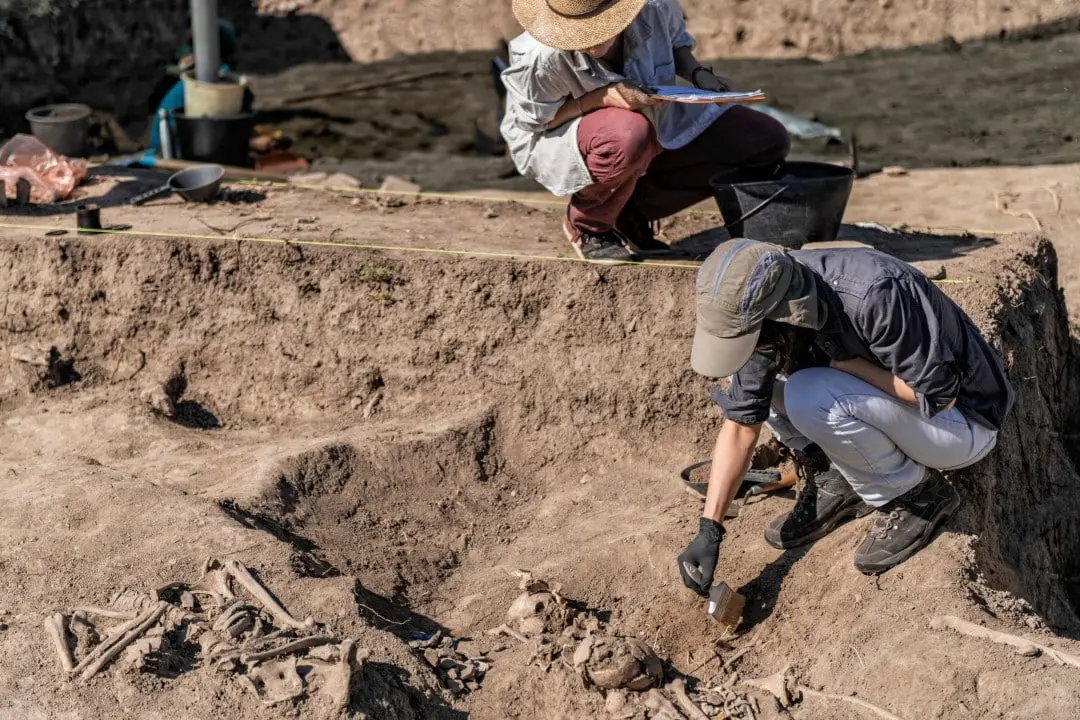
The Fayoum Depression region in Egypt became the scene of a remarkable paleontological discovery: the fossil of a predator nicknamed “ghost” that lived approximately 30 million years ago. This find generated great enthusiasm in the scientific community, especially after the animal received a name that refers to an Egyptian cat goddess, connecting the prehistoric creature to the country’s rich cultural symbology.
Unraveling Bastetodon syltos: an extinct lineage
The fossil belongs to a group of carnivorous mammals known as haenodonts, which, in their time, occupied the top of the food chain. Despite the name, which may suggest a relationship with modern hyenas, these animals represent an evolutionary lineage completely distinct from both the canids and felines we know today. In-depth research revealed that the specimens found in Fayoum do not belong to the same phylogenetic group as the European “Pterodon”, as previously thought.
On the same topic: New study indicates overheating of dinosaurs by asteroid dust
The peculiar set of teeth of a professional carnivore
One of the most striking features of haenodonts was their specialized tooth structure. They had a row of sharp “blades” between the upper and lower molars, perfectly adapted for slicing meat. This configuration, although superficially similar to the scavenger teeth of dogs and cats, developed independently throughout their evolutionary history. This singularity demonstrates a unique adaptation to predation, consolidating them as extremely efficient carnivores in their ecosystem.
Bastetodon syltos: homage to the feline goddess
The new genus assigned to this fascinating creature is “Bastetodon syltos.” The choice of name is a clear reference to Bastet, the ancient Egyptian goddess associated with cats, fertility, protection and pleasure. It is important to note that, despite the inspiration, Bastetodon was not a feline. The tribute, however, is a powerful symbolic link to Egypt’s ancient connection with these animals, whose most iconic figure is the Great Sphinx.
See Also

Neighbors rescue 4-year-old child after fall from 5th floor in Poland

Horoscope of the day: Predictions for Libra show a period of decisive agreements and professional success

Munich: Boeing 787 Vietnam Airlines scrapes its tail on takeoff and makes an emergency landing after taking off off the runway
More on this story: Origin of the asteroid that wiped out dinosaurs is revealed by scientists
The lush habitat and life of haenodonts
Haenodonts had a wide range of sizes, ranging from small species, comparable to weasels, to giants the size of lions. The Fayoum Depression, their ancestral home, was a rich and diverse environment, full of prey that provided their food. This abundance of resources has allowed these predators to thrive for millions of years, reigning as dominant figures in their ecosystem.
The extinction of an empire: when Bastetodon gave way
Despite their prominence, the dominance of the haenodonts was not eternal. With the significant climate changes that affected the planet, new, more adaptable and efficient carnivores began to emerge and spread. Modern felids, canids, and hyenas, with their own hunting and survival strategies, gradually supplanted haenodonts. This increasing competition, combined with environmental changes, led to the decline and, eventually, extinction of these enigmatic predators, marking the end of an era in their evolutionary lineage.