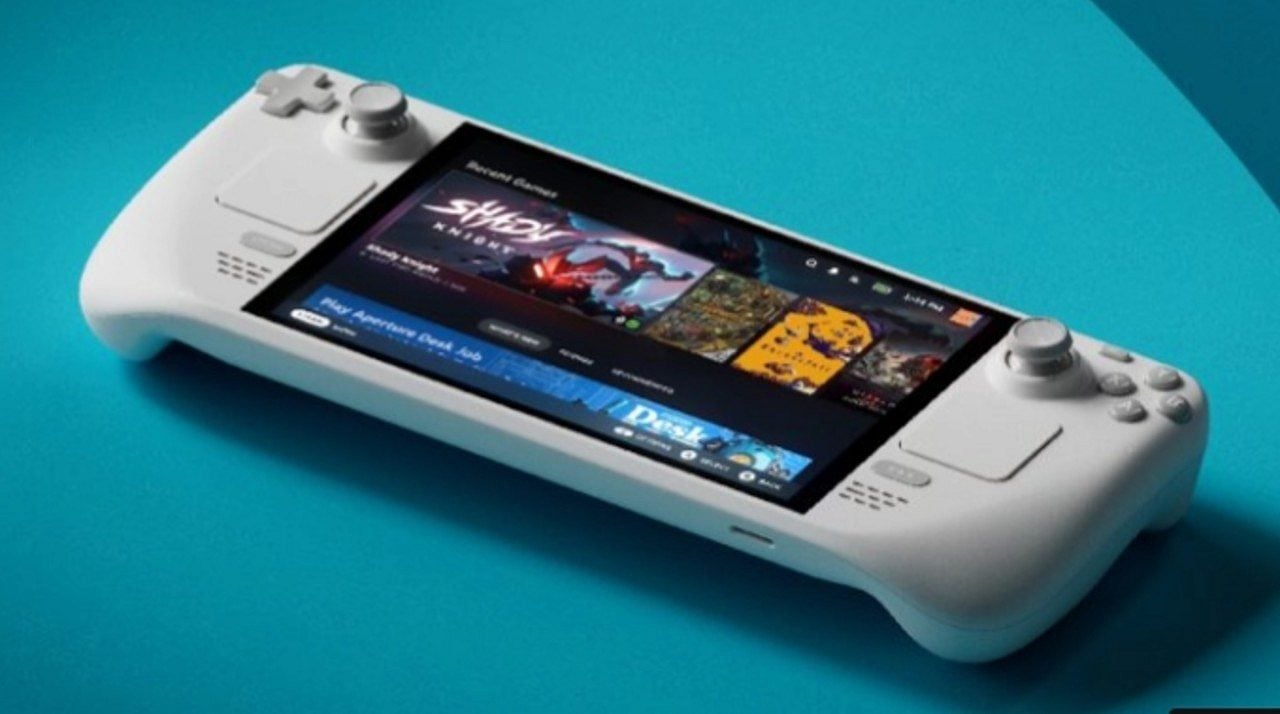
The hardware manufacturer and owner of the largest digital games store in the world is already planning the direction of its next releases aimed at home entertainment. Even before revealing all the official details about the long-awaited return of its compact desktop computer, the company openly discusses what the life cycle of this equipment will be like. Engineers involved in the project, such as Pierre-Loup Griffais, indicate that the approach adopted for the new living room device will be radically different from that applied to the brand’s popular portable console.
This paradigm shift reflects a deep understanding of how different audiences consume technology today. While mobile devices require long-term stability to ensure developers can optimize their software without surprises, traditional computers operate in a much more dynamic ecosystem. The company understands that trying to plaster the specifications of a desktop machine would be a strategic error given the rapid evolution of video cards and processors on the global market.

During a recent interview with the specialized magazine PC Gamer, the brand’s representatives detailed the reasons behind this separation of design philosophies. The portable device was designed with a closed architecture, resembling traditional video games that have maintained the same technical base for several years. This feature is essential for delivering a consistent experience to users who play on the go, eliminating the constant worry about minimum system requirements with each new major release in the industry.
Fundamental differences between the architecture of a console and a personal computer
From a different perspective, the desktop equipment is treated internally as a personal computer in essence, designed to compete directly with other pre-assembled machines available at computer retailers. Griffais explained that when dealing with this specific format, the need to maintain a static performance target for half a decade becomes completely meaningless. People who invest in a desktop expect to have access to the latest graphics innovations much more frequently than owners of desktop consoles.
This vision contrasts sharply with the company’s first attempt to invade living rooms, which took place in the middle of the last decade. At that time, the Linux-based operating system did not yet offer the robust compatibility seen today through the Proton translation layer, which allows Windows games to be run natively. Now, with mature software that supports thousands of titles without fail, the manufacturer has the freedom to update hardware with the same cadence as large computer manufacturers, offering annual or biannual revisions as technological demand requires.
Economic factors that put pressure on the production cost of new hardware
Despite the clarity about the accelerated pace of updates, the creation of a second generation of the compact computer does not occupy the top of the list of priorities at the current time. The engineering team prefers to take an extremely cautious stance, waiting to measure the impact of the initial model on the virtual and physical shelves. Long-term success will depend on how the gaming community and rival companies behave in the face of the next wave of home consoles and innovations in the computing sector.
One of the biggest challenges faced by the entire electronics production chain is the relentless rise in manufacturing costs. Essential components for assembling high-performance machines have undergone severe adjustments in recent months, affecting the planning of several brands. The manufacturer itself admits that the launch price of its new computer will be higher than originally planned, a direct reflection of the global economic turmoil affecting the import and assembly of electronics.
To understand the complexity of this production scenario and the reasons that make the final product more expensive, it is necessary to observe the main bottlenecks that affect the technology industry right now:
- Significant increase in the value of RAM memory chips, essential for the fluid execution of modern games at high resolutions.
- Increased price of high-speed SSD storage units, which have become a mandatory standard in the gaming market.
- Intermittent shortages of semiconductors in Asian factories, which continues to unbalance the relationship between global supply and demand.
- Widespread inflation that reduces profit margins and forces companies to pass on additional costs directly to the end consumer.
Movement of competing companies confirms the upward trend in prices
Inflationary pressure is not exclusive to the owner of the Steam virtual store, hitting the consolidated giants of the electronic entertainment sector hard. Microsoft, in a move that caught many consumers by surprise, recently announced an adjustment in the prices charged for its next generation consoles. From August onwards, the Xbox Series X and S models will become considerably more expensive in international retail, following a trend that had already been adopted by Sony with the PlayStation 5 the previous year.
The justification presented by the Redmond giant aligns perfectly with the concerns raised by the computer gaming platform’s engineers. The increase in the cost of solid-state storage parts was cited as the main villain in this commercial story. Furthermore, company executives have not ruled out the possibility of applying new increases until 2027, if the global financial outlook does not show a significant and lasting improvement.
Consumer behavior will dictate the pace of the sector’s next launches
All of these macroeconomic elements form a complex puzzle that the development team needs to solve before approving future versions of the Living PC. There is a real fear within the industry that gamers will begin to delay purchasing new equipment, stretching the lifespan of their current machines as much as possible. This hesitation arises from the public’s increasing difficulty in affording the new price levels established by hardware manufacturers.
Strategic planning for the coming years will intrinsically depend on the ability to balance cutting-edge technological innovation with commercial viability for the general public. Close observation of consumer trends, combined with the expected stabilization of chip supply chains, will be the definitive thermometer. Only from this market reading will the company define when and how future iterations of its desktop hardware will reach the hands of technology enthusiasts.