Pokémon stores in Japan require facial biometrics to prevent card resale
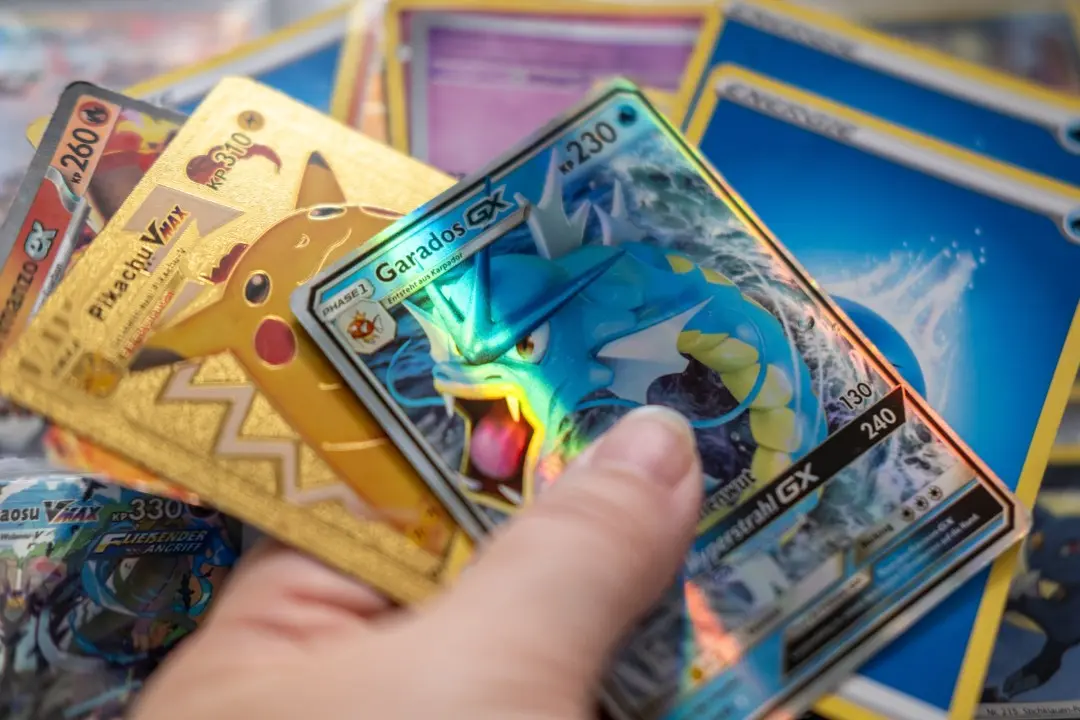
To stop the action of scalpers and ensure that true fans are able to purchase their products, the Pokémon Company decided to install biometric reading systems in its new ephemeral commercial spaces in Japan. The unprecedented strategy seeks to democratize access to cards and limited edition items. With this decision, the brand takes a bold step by employing cutting-edge technology to organize queues and avoid immediately running out of highly coveted merchandise.
The impact of scalpers on the collectibles market
The adoption of face scanning attempts to solve a crisis that has worsened severely since the pandemic, when the parallel trade in trading cards exploded. Organized groups buy entire stocks of new releases to sell them for absurd prices on the internet, a practice that alienates children and casual players. The market has inflated so much that recent episodes, such as the widespread confusion at the Van Gogh Museum in Amsterdam over a promotional letter in 2023, have forced the company to rethink its sales policies. This manufactured scarcity turns a fun pastime into a parallel stock market, damaging the franchise’s reputation. The objective of the new technological barrier is to restore peace of mind to regular consumers and disarm financial speculation schemes.
Entry rules and addresses of temporary units
The digital lock will work at five special Pokémon Card Store kiosks, which operate between July 31 and August 6, 2024. Any visitor aged primary school will need to register their face before crossing the establishment’s doors. The software ensures that the customer only makes one visit per day, automatically blocking anyone who tries to break the rule to buy more than allowed. If the buyer needs to go to the bathroom or leave quickly, it will be mandatory to notify employees in advance so that the return can be released into the system without causing inconvenience.
More on this story: Pokémon World Championship 2026 details exclusive cards and kits for participants and winners
- AEON Mall Natori
- Chofu PARCO shopping center
- AEON Mall Higashiura Complex
- AEON Mall Hiroshima Fuchu Unit
- AEON Mall Chikushino
In these temporary branches, the public will have access to coveted packages of the official card game and licensed products that are normally only found in the brand’s large centers. As the demand for these materials tends to generate long queues, the administration considered it essential to apply strict sorting so that the stock lasts all day.
Concerns about storing personal information
The corporation’s official justification focuses on maintaining public order and protecting inventory against fraudsters, creating a riot-free space. However, the capture of facial features raised a red flag among digital rights experts, as it is extremely sensitive biometric information. The company limited itself to saying that the records will be kept for an indefinite period of time before disposal, a vague statement that generated discomfort. Information security professionals are calling for clearer guidelines on who will have access to this database, especially in an era where privacy protection laws require explicit consent and strict deletion deadlines.
See Also

Learn how to identify intrusions on WhatsApp and avoid financial fraud

PlayStation 5 owners gain lifetime access to three great games

Russian Islam Makhachev dominates Ian Machado Garry and wins main fight at UFC 330
Other industries also face the resale mafia
The Japanese entertainment giant’s move follows a wave of drastic measures adopted by various commercial sectors against middlemen. The hijacking of merchandise ranges from the sale of tickets for music tours to the launch of state-of-the-art video games, harming fans across the planet. To try to stop robots and mass buyers, brands have already tested online sweepstakes and CPF quotas, but biometrics emerges as the most recent frontier in this war. Eliminating the role of scalpers has become a top priority for manufacturers who want to maintain public loyalty and prevent profits from their creations from ending up in the pockets of third parties.
Full coverage: Latest News (EN)
What this change means for upcoming releases
The experiment in Asian stores will act as a thermometer for the global retail market, showing whether technology is really capable of shielding products against speculators. For those who collect for passion, the novelty brings the promise of a scenario where dedication is worth more than the use of automated purchasing software. If the pilot project is successful in stopping fraud without alienating ordinary consumers, the company will be able to expand the camera system to its official events and permanent branches around the world. The big challenge will be to prove that it is possible to balance the democratic distribution of rare goods with absolute respect for customers’ privacy.