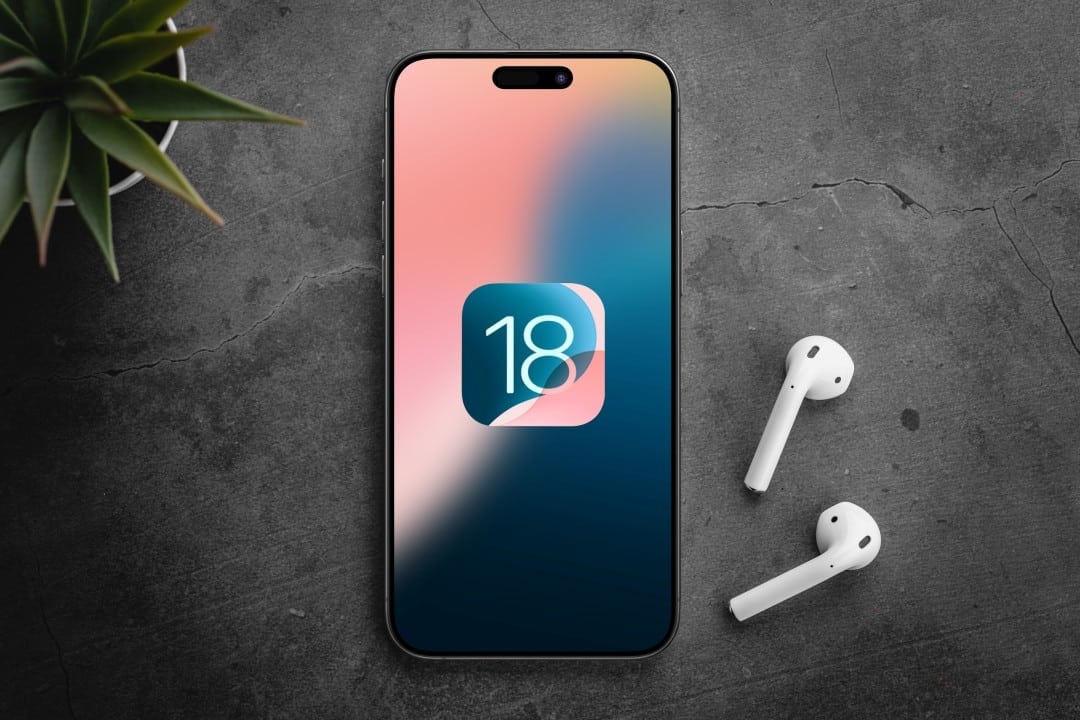
The Cupertino giant recently confirmed the definitive schedule for ending technical and software support for a very popular generation of its smartphones. This strategic decision directly affects a legion of global consumers who still use mobile devices launched in 2018, marking the end of an era that lasted almost eight years in the competitive telecommunications market. As this deadline approaches, users who have these devices in their pockets will have to plan the transition to newer hardware, as the absence of patch packages will leave banking information, passwords and personal files exposed to critical vulnerabilities in the near future. Historically, the company usually offers between five and six years of survival for its products, which makes the longevity of this specific line an outlier, but which is now reaching its inevitable decline.
The impact of hardware limitations and the lag of the A12 Bionic chip
The cut established by the Californian manufacturer hits home one of the most successful cell phone families ever sold by the brand. The major technical obstacle lies at the heart of these devices: the A12 Bionic processor, which, although revolutionary at the time of its launch, no longer has the neural processing capacity required by new artificial intelligence tools, such as the Apple Intelligence ecosystem, which is expected to dominate the architectures of iOS 19 and the future iOS 20. So that consumers understand exactly which products are about to enter the obsolescence list, the company detailed the models that will not be able to keep up with technological innovations on the market.

- The classic iPhone XS, which represented the pinnacle of luxury and technological performance at the time of its world premiere.
- The iPhone XS Max variant, developed with a significantly larger screen to attract the media and gaming consumer audience.
- The acclaimed iPhone XR, known for offering aggressive value for money and which has topped the global sales rankings for consecutive months.
Due to this insurmountable physical barrier in the internal components, the North American company’s software engineering team is unable to compile and distribute new protection shields against contemporary virtual threats. The outdated architecture simply cannot handle the processing load required to run modern encryption algorithms, leaving phones stagnant in a scenario where cybercriminals evolve their hacking tactics daily.
Once the official technical assistance period is completed, any critical system failure or zero-day breach that is discovered by the security community will no longer be fixed by the developer. In the user’s practical routine, this means that the cell phone’s virtual environment will become fertile ground for the silent installation of malware, corporate espionage software and data interception mechanisms. Professionals specialized in cyber defense emphasize that using a discontinued smartphone, especially in the Brazilian scenario where the use of internet banking applications and instant transactions via Pix is massive, is equivalent to leaving the front door open, transforming the citizen into a preferential target for gangs specializing in financial fraud and identity theft.
Final dates for the end of updates and the final version of the software
According to recently released technical reports, the latest operating system build that will reach this specific group of devices will be iOS 18.7.3. The company’s internal planning foresees that this final package, focused only on maintaining the basic stability of the system, will be released to users in the first days of December 2026, acting as a true goodbye from the manufacturer to the old models. Soon after, as of midnight on December 31, 2026, the support cycle will be irrevocably shut down, extinguishing any possibility of receiving emergency security patches or bug fixes for this entire generation of devices.
Far beyond the obvious risk of having privacy violated by hackers, the interruption in the provision of updates causes a disastrous domino effect on the usability of applications that are essential for modern routine. Developers of financial institutions, instant communication platforms and corporate productivity software have a rule of requiring the operating system to always be in its latest versions to authorize login to their servers. As a direct result of this policy, affected smartphones will begin to show incompatibility with basic tools, in addition to suffering from constant crashes and severe slowdowns, since the natural degradation of the battery and electronic circuits will work together with the obsolescence of programming codes.
Recommended security strategies to prevent exposure of personal information
The primary guideline issued by technology experts is that owners of these models immediately begin financial planning to purchase a new generation device over the next few semesters. Directing resources to a newly launched smartphone not only ensures access to better cameras and fast processors, but represents the only viable alternative to maintaining the integrity of confidential documents and bank passwords. Before exchanging equipment in stores, it is imperative that consumers carry out a complete backup copy of their entire digital collection, using iCloud cloud storage or transferring files via cable to a personal computer, thus ensuring that photographic memories and contact books are not lost during system migration.
For the portion of consumers who do not have the immediate budget to cover the costs of a state-of-the-art cell phone, the maximum security recommendation is to adopt an extremely cautious stance during daily browsing, avoiding at all costs connecting the device to open Wi-Fi networks without a password, commonly found in food courts, airports and bus terminals. However, it is crucial to understand that these defensive practices only function as a temporary band-aid and do not eliminate the root of the system’s structural vulnerability problem. The only effective and permanent solution to ensuring peace of mind in the digital environment in the long term is, inevitably, the transition to a smartphone that still appears on the manufacturer’s active support and development calendar.