

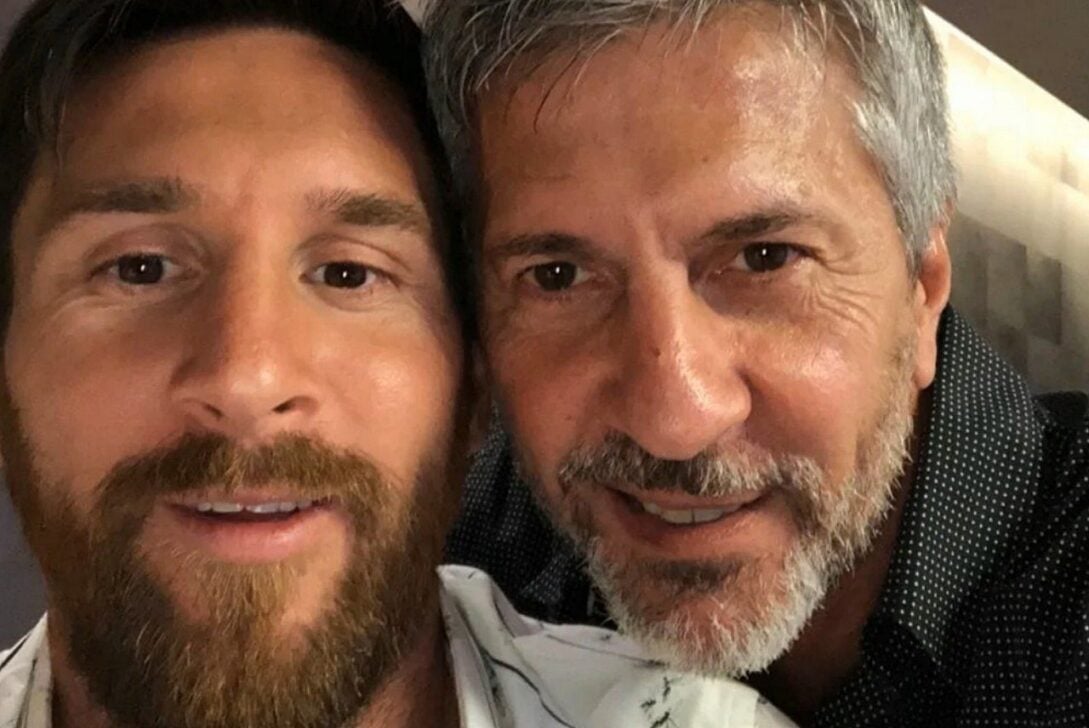
The global sporting scene lost one of its most discreet and fundamental figures this Thursday, August 8, 2026. Jorge Horácio, father and main career manager of striker Lionel Messi, passed away at the age of 68 in a private hospital located in Rosario, Argentina. The former metalworker was battling a chronic and very aggressive clinical condition, the exact details of which were kept completely confidential by his closest family members. The hospitalization had already lasted a few weeks, requiring intensive care from a multidisciplinary medical team in the province of Santa Fé.
The impact of the worsening of the disease during the national team tournament
The seriousness of the patriarch’s health condition became public knowledge about two months ago, right at the start of the 2026 World Cup. During the Argentine team’s debut match against the Algerian team, information about the patient’s worsening reached the South American concentration. On that specific occasion, the number ten scored three goals and had a moment of strong emotion when he collapsed on the pitch crying profusely after the end of the match. The captain’s uncontrollable crying reflected the immense psychological pressure of dealing with impending family loss while representing his country on football’s biggest stage.
Immediately after that episode of international commotion, the doctors responsible for the treatment released a bulletin that brought brief relief to the fans. The document pointed to a surprisingly positive reaction to the medications administered, which allowed the patient to be discharged from hospital around seven days later. This sudden clinical improvement generated a wave of optimism among relatives about a sustainable recovery, but the condition suffered an irreversible and rapid deterioration over the following weeks.
The relentless search for medical treatment in the nineties
The successful trajectory of the brand involving the Argentine player began long before the spotlight, motivated by a health emergency in childhood. When the boy was still playing in the children’s categories at Newell’s Old Boys, endocrinological tests revealed a severe deficiency in the production of growth hormone (DGH). The treatment required daily injections that cost approximately one thousand dollars per month, an amount completely beyond the financial reality of a worker in the Argentine metallurgical industry. The father needed to support his wife and children with a modest salary, making the cost of medication an almost insurmountable barrier.
Learn more: Jorge Horácio, father and manager of striker Lionel Messi, dies aged 68 in Argentina
With local club boards refusing to finance a young athlete’s medical procedure, the head of the family took a drastic step that altered the history of the sport. He organized a risky trip to the European continent, seeking to convince some football powerhouse to bet on the boy’s talent and assume the pharmacy’s expenses. This insistence culminated in the famous agreement signed on a napkin with Barcelona representatives, guaranteeing the boy’s adequate physical development and planting the seeds of a victorious era in Catalonia.
The transition from the factory floor to European trading desks
The businessman’s absence from the stadium boxes during the last world competition had already aroused the curiosity of the specialized press. From his son’s first steps as a professional, he acted as a true fortress, shielding the athlete from commercial and media pressure. To assume the presidency of the company that manages the star’s image rights, the former worker immersed himself in studies on international tax legislation and wealth management. He needed to quickly understand the mechanics of a ruthless financial market to prevent the family’s wealth from being diluted by intermediaries.
Full coverage: Latest News (EN)
Leaders of major European institutions have always described the Argentine as a tough, pragmatic negotiator focused exclusively on protecting his client’s interests. Unlike other famous agents who love microphones and newspaper covers, he chose strategic anonymity, refusing invitations for interviews and keeping his social circle extremely closed. This stance allowed the player to channel all his energy into training and matches, sustaining a level of sporting excellence for more than twenty consecutive years.
The historic contracts that redefined the global football market
Managing the South American idol’s career involved financial operations that established new parameters for the entertainment industry. Managing a brand with global reach required the formulation of complex contracts, involving multiple currencies and legislation from different countries.
On the same topic: Milan and Italian national team legend Franco Baresi dies aged 66
- The successive contract renewals with Barcelona, which guaranteed the striker the position of athlete with the highest salary in the world for several years in a row.
- The complex financial engineering for the transfer to Paris Saint-Germain, managing Spain’s abrupt departure and adapting to France’s financial fair play rules.
- The revolutionary agreement with Inter Miami in the United States, which included unprecedented slices of profits from Apple streaming subscriptions and the sale of Adidas brand shirts.
- The structuring of an investment conglomerate focused on the real estate sector and luxury hotel chains, ensuring economic stability for future generations.
All of these commercial movements underwent the direct and thorough approval of the patriarch. He was clear that the lifespan of a football player is limited, which required an aggressive strategy to maximize revenue while his career was active. The objective has always been to build a solid financial empire that would continue generating dividends long after his final retirement from the field.
The security scheme for the funeral and the businessman’s legacy
The manager’s death comes during a period of great change in South American football, marking the end of one of the most successful partnerships between father and son in sporting history. Security forces in the city of Rosário set up a special operation to guarantee the family’s complete privacy during the wake and burial. The objective of the local authorities is to prevent onlookers, fans and paparazzi from approaching the cemetery, respecting the desire for discretion that has always guided the businessman’s life.
More on this story: Motorsport mourns the loss of Portuguese-Venezuelan Zdenek Chovanec at the age of 21
The impact of the decisions made by this father goes far beyond the dozens of cups and medals displayed in European shop windows. The courage to cross the ocean in the nineties, facing the language barrier and financial uncertainty to treat a health problem, was what allowed the emergence of one of the greatest talents of all time. The global football community is now paying its respects, recognizing that the genius seen on the pitch was only possible thanks to the obstinacy of a common man who refused to give up on his son’s future.