

Technology giant Google revealed its latest line of smartphones, the Pixel 11, at a recent event held on May 15, 2024. The new devices arrive with significant refinements, a redesigned chip and even more advanced artificial intelligence features. In addition to cell phones, the company announced the Pixel Watch 5, updates for the Pixel Buds Pro 2 and Pixel Buds 2a headphones, and the long-awaited Google Pixel Tag, a device that promises to compete directly with Apple’s AirTag.
Discover the new Pixel 11 smartphones and their innovations
The new entry-level generation of Google smartphones, the Pixel 11, maintains the characteristic design of previous models, with a renewed camera bar that is now completely dark and 40% thinner. The Actua display is still present, protected by a metal structure that is resistant to scratches and drops, and the rear features frosted glass that resembles the finishes of premium models on the market.
One of the main innovations is the new 48 megapixel camera, capable of capturing 56% more light, which means higher quality photos and videos in low-light environments. The telephoto lens, which offered 5x zoom, now reaches up to 30x thanks to the SuperZoom feature.
On the same topic: Google launches Pixel 11, Watch 5, Pixel Tag and Gemini innovations in 2026
Tensor G6 Chip Enhances Performance and Artificial Intelligence
Present in all models in the new line, the Tensor G6 chip is the engine behind most of the improvements. Google stated that the processor has a 25% faster CPU, reducing application opening times by 15%. Its TPU computing power has increased by 50%, enabling on-device AI tasks to be processed up to 3.5x faster and with 3.5x lower power consumption.
With 12GB of memory, the Pixel 11 also incorporates the Titan M3 security chip, which Google describes as its “most robust and proactive defense system to date”, raising the level of user data protection.
Pixel 11 Pro and Pixel 11 Pro XL bring advanced screen and lighting
The Pixel 11 Pro and 11 Pro XL models, although aesthetically similar to the entry-level model, come with important differences. They have a Super Actua screen that reaches an impressive 3,600 nits of brightness and offers twice as much scratch resistance.
Follow: all about G6 Tensor
One of the highlights is HiLight, a new set of LED lights that surround the camera’s flash. These lights are designed to glow softly when receiving notifications and display distinct patterns when interacting with the Gemini assistant. The cameras on these models also get the same 48MP main lens, but with a 30% larger image sensor for even more light capture. Portrait Mode now supports 5x zoom, reaching up to 120x in traditional capture mode with Pro Zoom, powered by the Tensor G6.
- Pixel 11: pistachio, hibiscus, frost and obsidian.
- Pixel 11 Pro and 11 Pro XL: canyon, fog, olive and obsidian.
All three models have 256GB of storage in the basic version, in addition to being compatible with Pixelsnap (similar to Apple’s MagSafe) and Qi 2.2 25W accessories. Google promises a battery of up to 15 hours of autonomy with just 15 minutes of charging for the Pixel 11 Pro XL.
Pixel 11 Pro Fold design and durability improvements
The new generation of Google’s foldable smartphone, the Pixel 11 Pro Fold, appears as a refinement focused on design and durability. The device is 10% lighter and 1mm thinner than its predecessor, with reduced screen edges and the HiLight feature integrated into the camera bar, which maintains a squarer look.
IP68 certified against water and dust, the Pixel 11 Pro Fold features a new fiberglass composite on the back, described by Google as “almost impossible to crack”, which addresses a common concern among foldable users. The hinge now has a gearless design, and the external display has an ultra-resistant ceramic glass cover. These improvements promise to make the device up to three times more durable.
More on this story: Tensor G6 chip powers Google Pixel 11 series with HiLight and Android 17
The foldable’s two Super Actua displays also reach 3,600 nits of brightness, and the crease on the internal screen is more discreet due to a larger bend radius and a thicker glass layer. In terms of memory, the Pixel 11 Pro Fold has 16GB, 4GB more than the other models. The available colors are obsidian and olive.
Pixel Watch 5 focuses on health with GPS and accurate monitoring
The new Pixel Watch 5, a direct competitor to the Apple Watch, invests heavily in health features. Google reported that the watch’s GPS is up to twice as accurate as that of the previous model, ensuring more accurate training tracking, even in areas with dense vegetation or many buildings. The smartwatch combines satellite lightning data, 3D building models and a global network of real-time weather stations to account for local atmospheric conditions, aiming to surpass the accuracy of other smartwatches on the market.
New features include the upcoming “Strength Training” workout experience, which will provide workout guides on your wrist, and Google Health Coach, which now offers 15% more accurate sleep tracking and personalized strength training. The Smart Wake feature identifies moments of light sleep to wake the user more gently.
Another notable feature is Breathing Emergency Detection, part of the Health Guardian suite, which uses multiple sensors and satellite connectivity to contact emergency services if it detects severe and persistent drops in blood oxygenation. The Pixel Watch 5 will also provide monthly reports on blood pressure, sleep breathing quality, and insulin resistance trends, driven by Health Foundation Models, which promise to “reveal metabolic, respiratory, and cardiovascular changes early.”
To support these features, the watch has been updated with an “accelerated” Qualcomm Snapdragon W5 Gen 2 chip, 50% more memory and a 12% faster CPU. The Actua 360 display has a maximum brightness of 3,000 nits and displays 11 new complications and 2 dials. With a battery life of up to 30 hours, the Pixel Watch 5 is available in 41mm and 45mm versions, in fog, canyon and olive colors, with “ultra-comfortable” HNBR straps.
Software updates coming to Pixel Buds Pro 2 and 2a headphones
The previously released Pixel Buds Pro 2 and Pixel Buds 2a earbuds have had no successors announced, but have received a new software update. This improvement optimizes active noise cancellation (ANC), which now works more effectively regardless of the position of the headphones in the user’s ear.
Full coverage: Latest News (EN)
With audio support, the Gemini assistant can adjust the bass and treble of the headphones according to the playback. Additionally, the headphones can now sync with a Pixel Watch to automatically pause music when the user falls asleep. The Live Translate feature, similar to AirPods’ Live Translate, has expanded its support to more than 70 languages. The olive color, which debuted with the new Pixel devices, has also been incorporated into the Pro 2 earbuds, although the charging case remains white.
Google Pixel Tag enters the smart tracker market
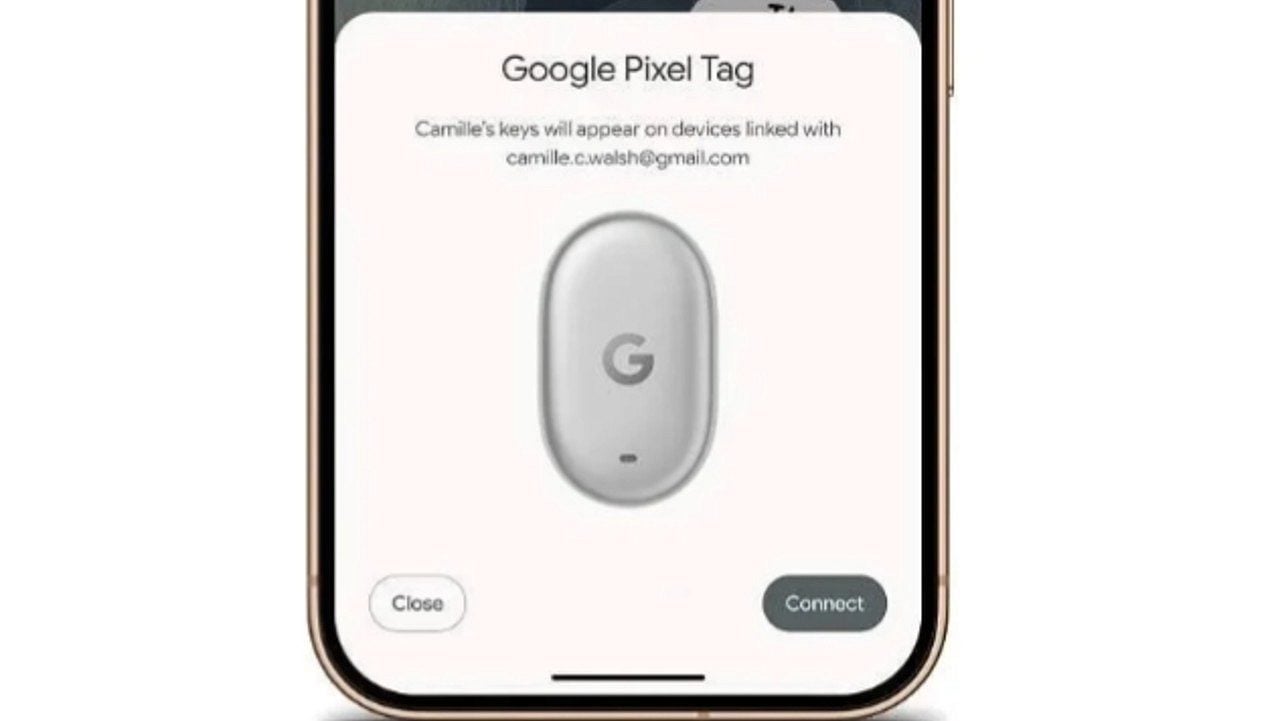
Finally, Google launched Pixel Tag, a tracking device that integrates with the company’s Find Hub platform. The accessory is designed to help locate items like bags, wallets and keys, offering an alternative to Apple’s AirTag.
With a more elongated profile than the AirTag, the Pixel Tag is IP67 certified against water and dust. It has a button that, when pressed, causes a sound to be played on the user’s smartphone. The device’s battery has a battery life of up to one year and can be easily replaced. To set up the Google Pixel Tag, simply remove the battery strap and hold it close to a device running Android 9 or newer. Once configured, the accessory’s location can be shared with up to ten people simultaneously. The tracker also offers its own version of Precise Search, emits sounds to help with location and can send alerts to the smartphone if the user forgets it somewhere.