Global auction raises US$11.9 million and Brazil’s historic currency reaches record value
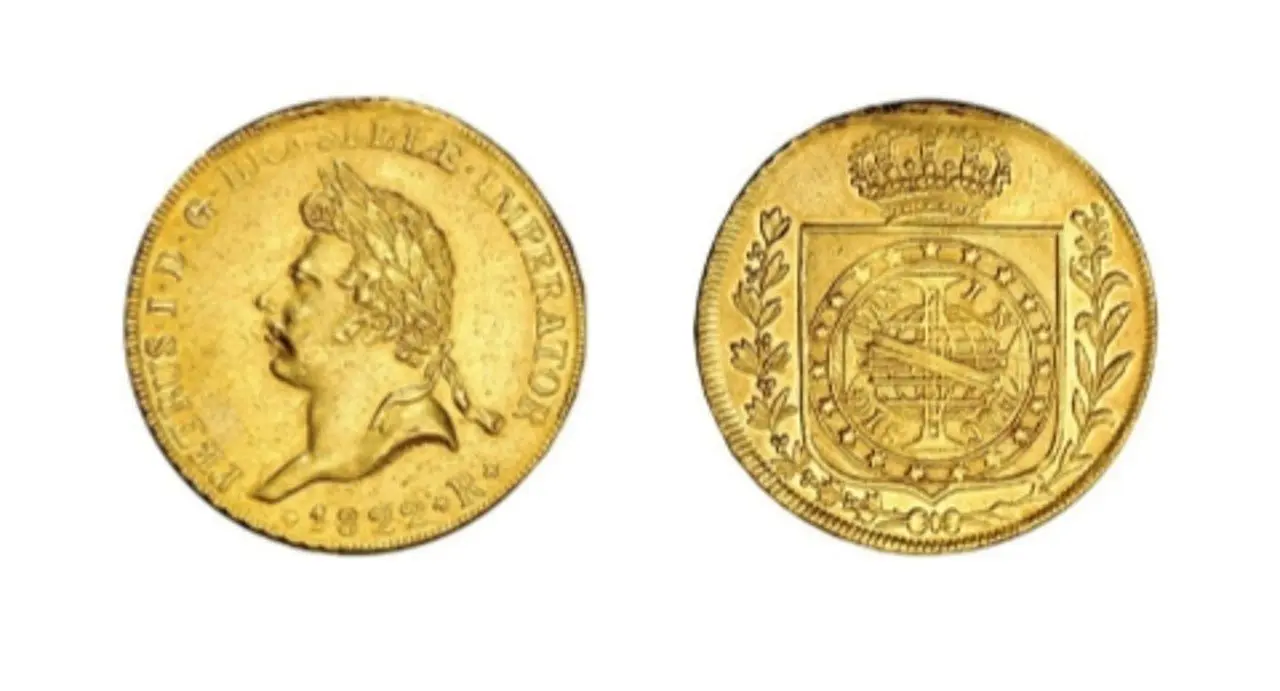
The global numismatic market has just recorded an impressive milestone during an international trading event that generated a significant US$11.9 million, equivalent to more than R$60 million at current prices. The main highlight of this meeting of collectors were not the traditional European or North American pieces, but rather the historical artifacts minted in national territory. A single Brazilian coin, considered extremely rare by the experts present, was sold for the surprising amount of US$292,000, surpassing the R$1.47 million mark. This significant result definitively consolidates the country’s position in the disputed high-standard circuit focused on the preservation and commercialization of material heritage.
The international fascination with the Brazilian colonial and imperial period
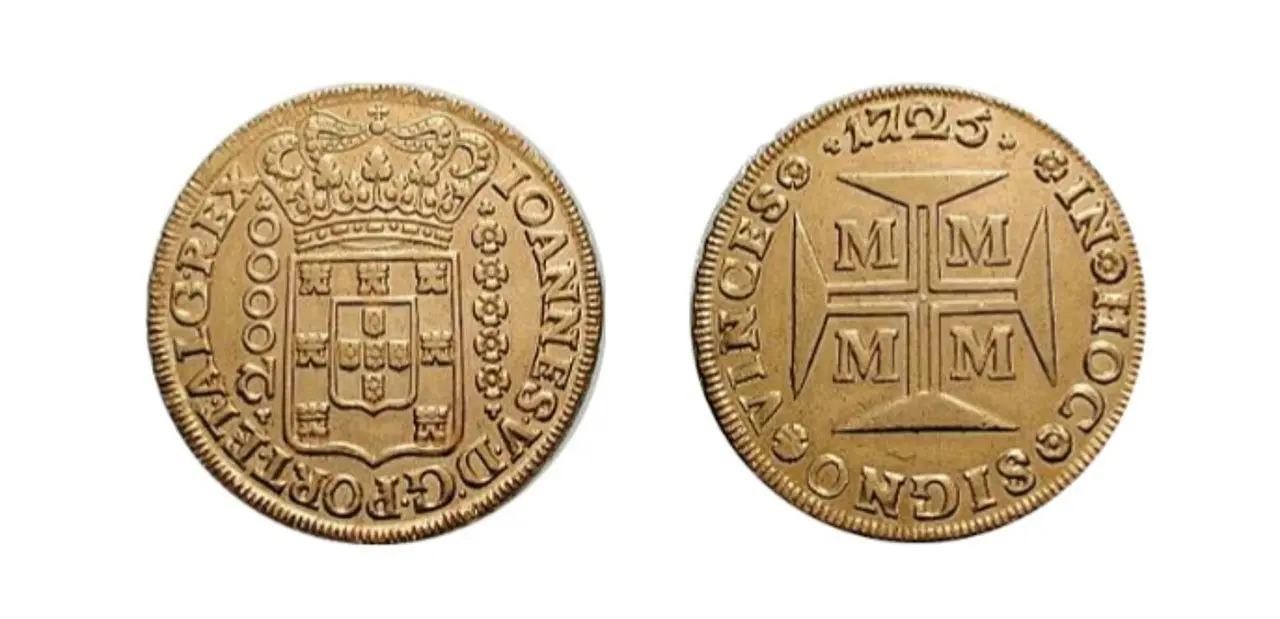
Among the items most coveted by foreign investors, coins manufactured during Colonial Brazil and the Empire assumed absolute prominence in the bidding rounds. Experts point out that the scarcity of these pieces, often minted in gold from Minas Gerais in past centuries, creates an extremely competitive environment. The impeccable state of conservation of the lots presented, added to the deep historical burden that each item carries, attracted the attention of billionaire buyers from different continents. This phenomenon demonstrates a change in perception, where old money stops being a mere object of study and becomes a major financial asset.
More on this story: Global auction worth US$ 11.9 million highlights rare Brazilian coins worth up to US$ 292 thousand in 2026
The search for these relics goes far beyond aesthetics, involving a rigorous analysis of authenticity and provenance that attests to the value of each lot. From the founding of the first Brazilian Mint, in 1694, in the city of Salvador, to the subsequent transfers to Rio de Janeiro and Minas Gerais, the production of money in the country has always been marked by specific runs and minting errors that are now worth fortunes. During the sales sessions, it became clear that the global financial elite sees Brazilian numismatics as a robust store of value. With the supply of original pieces increasingly restricted due to their allocation in museums and permanent private collections, the competition in the auctions becomes increasingly fierce.
Heritage diversification through tangible historical artifacts
The total amount raised at the event reflects a broader movement in the financial market towards so-called real and tangible assets. In an economic moment where capital protection has become a basic rule of survival for large fortunes, allocating millions in historical artifacts has proven to be a smart and profitable strategy. Specialized auction houses around the world report a substantial increase in account openings by investment funds and ultra-high-income individuals seeking alternatives outside the traditional banking system.
- Protection against inflation: rare pieces tend to appreciate or maintain their price even in severe economic crises that affect fiat currencies.
- Cultural preservation: acquisition by large funds ensures that historical heritage is kept under ideal climatic and security conditions in high-tech vaults.
- International liquidity: coins certified by independent rating agencies can be sold quickly anywhere on the planet, from London to Tokyo.
This combination of factors explains the voracious appetite of participants when competing for the most exclusive lots. On the international market, the value of a piece is determined by the rigorous Sheldon Scale, which classifies the state of conservation from one to seventy points. A Brazilian coin that reaches the highest grades on this scale stops being a simple piece of old metal and starts being traded as a world-class work of art. Unlike company shares or digital currencies, which depend on immaterial factors to support their prices, an 18th century gold coin has an intrinsic value and an established historical demand. The profile of the buyer has also changed, going from the academic passionate about history to the wealth manager focused on profitability.
See Also

Electrical discharge knocks man off roof in Jaguaruana after contact with power lines

Former fighter Prichard Colón dies at age 33 after decade in a vegetative state
Global auction worth US$ 11.9 million highlights rare Brazilian coins worth up to US$ 292 thousand in 2026
The globalization of numismatics and the protagonism of Brazil
The meteoric rise of national artifacts is driving true globalization within the elite collecting niche. Until recently, the market was largely dominated by Roman and Greek coins or the first American dollars, leaving Latin America in a secondary position. The resounding success of this latest auction changes this dynamic irreversibly, placing Brazil’s cultural heritage at the center of attention in the main international catalogs and attracting the attention of curators from the largest institutions in the world.
Experts believe that the inclusion of Brazilian pieces among the most sought-after lots on the global circuit raises the country’s status among historians and major investors. The coins minted during the reign of Dom João V, for example, known as doubloons, or the rare issues from the period of Dom Pedro I, carry a wealth of details designed by renowned artists of the time. This factor adds an artistic value that transcends the weight of the precious metal contained in the disc. This international showcase not only enhances existing collections in the country, but also encourages research and discovery of new items that may have been stored and forgotten in family collections for generations.
Learn more: Rare ten yen coin sells for more than 145,000 yen at auction in Japan
The technical rigor required in large luxury negotiations
As an immediate reflection of the million-dollar sales, numismatic certification agencies are already registering an increase in the sending of South American coins for conservation assessment. The process of encapsulation and attestation of authenticity has become a mandatory step for any owner wishing to access the major auction houses in New York or Geneva. The intense movement behind the scenes indicates that the catalogs for upcoming events are already being reformulated to give unprecedented space to rarities minted in the southern hemisphere.
The technical rigor required to sell these parts guarantees the integrity of the market and eliminates the risk of counterfeits that could harm buyers’ confidence. Each coin auctioned undergoes spectrometry and microscopic analysis before receiving the seal of approval that allows it to enter the luxury auctions. With the figure of US$ 11.9 million establishing a new level of excellence, the tangible historical artifacts segment demonstrates a structural solidity that increasingly attracts foreign capital in search of security, exclusivity and possession of real fragments of world history.