The month of August 2026 has established itself as an exceptional period for astronomy enthusiasts, offering a true feast of celestial phenomena that have captivated observers around the world. The astronomical agenda included the traditional and dazzling Perseid meteor shower, an eclipse that attracted attentive looks and the passage of an asteroid, transforming the night sky into a stage for memorable events. For observers in Brazil and other parts of the Southern Hemisphere, each event required a particular perspective and specific observation strategies, adapted to their geographic location.
The spectacular Perseid meteor shower enchanted observers
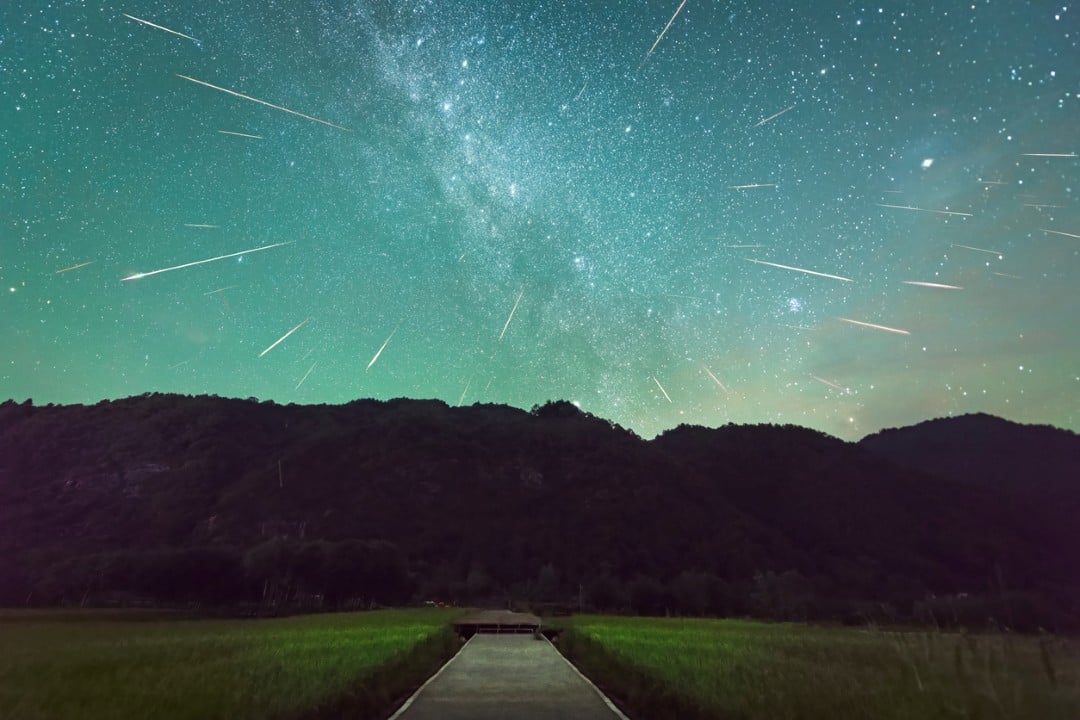
The long-awaited Perseid meteor shower, one of the most popular spectacles of the year, reached its peak of activity in August 2026, offering a light show in the night sky. This phenomenon occurs annually when Earth crosses the trail of debris left by Comet Swift-Tuttle. The small particles of dust and rock enter the Earth’s atmosphere at high speed, burning and creating the luminous trails we know as shooting stars. The peak of the meteor shower provided dozens of “arrows” of light per hour in ideal conditions, far from the light pollution of large cities.
Although the Perseids are more visible in the Northern Hemisphere due to the Perseus constellation’s position in the sky, observers in the Southern Hemisphere, including Brazil, also had the chance to enjoy the event. However, visibility was generally lower, with the meteors appearing closer to the horizon. To maximize the experience, it was crucial to look for locations with an unobstructed horizon and little artificial light. Observation requires only patience and dark-adapted eyes, without the need for special equipment.

The fascinating eclipse that marked the month of August
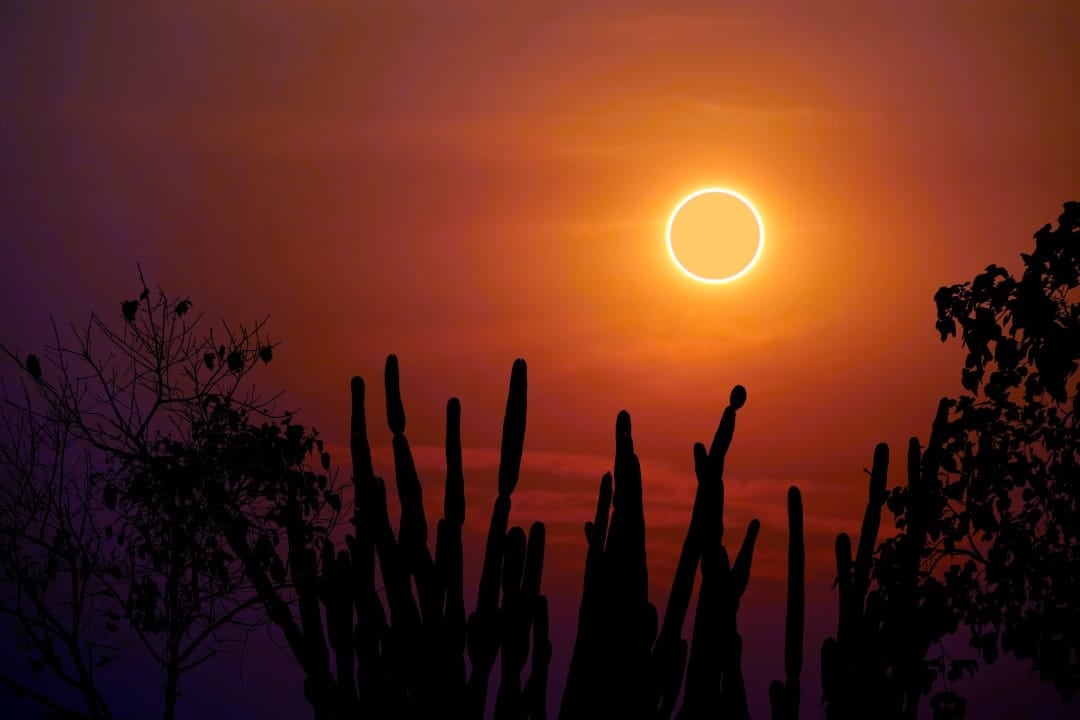
In addition to the meteor shower, August 2026 was graced with an eclipse event, which provided a moment of contemplation for millions of people. This phenomenon occurs when one celestial body aligns with another, resulting in the projection of a shadow. The nature of the eclipse (solar or lunar) and its visibility directly depend on this geometric configuration and the observer’s location on Earth.
Depending on the type of eclipse that occurred, observers could witness the Moon or the Sun in one of its most dramatic phases. A lunar eclipse, for example, occurs when the Moon enters the Earth’s shadow, taking on reddish tones that have earned it the nickname “Blood Moon”. A solar eclipse, when the Moon is positioned between the Sun and the Earth, can result in a ring of fire or total darkness, fascinating spectators. For those who managed to follow along, the event in August 2026 offered an opportunity to connect with the grandeur of celestial movements.
The passage of the asteroid and its relevance to science
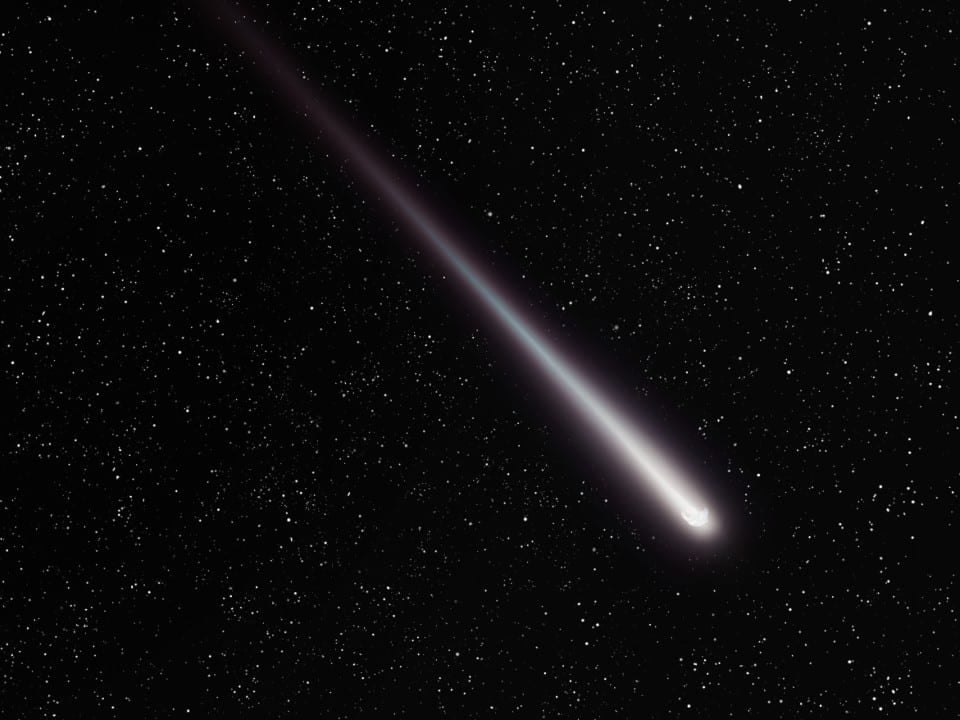
The third major astronomical event of August 2026 was the passage of an asteroid relatively close to Earth. These rocky bodies, remnants of the formation of the solar system, are constantly monitored by scientists. The approach of an asteroid, even if it does not pose a risk of impact, is an occasion of great interest for the scientific community, as it allows the collection of valuable data for composition and trajectory studies.
Observing asteroids like this, which cross the Earth’s neighborhood, generally requires more sophisticated equipment, such as medium to large telescopes. However, in cases of larger and brighter celestial bodies, it may be possible to identify them with the help of binoculars in very dark skies. The passage in August 2026 reinforced the importance of space surveillance and continued research into the dynamics of our solar system.
Essential tips for observing the night sky in the Southern Hemisphere
For those who want to continue exploring the wonders of the universe, some tips are essential, especially for observers from the Southern Hemisphere, who often face different perspectives compared to those in the North. The first rule is to always look for locations away from the light pollution of cities. Rural environments, mountains or isolated beaches offer darker skies and, consequently, improved visibility.
Additionally, it is important to allow the eyes to adapt to the darkness for at least 15 to 20 minutes before beginning observation. Glasses and contact lenses should be worn normally if necessary. Having a star map or an astronomy app on your cell phone can help identify constellations, planets and other celestial objects. For events like meteor showers, patience is your greatest ally, and a coat is always welcome, as the nights can be cold, even in August. In the Southern Hemisphere, some iconic constellations such as the Southern Cross and the Large Magellanic Cloud are excellent reference points to begin exploration.
What to expect from the sky in September 2026
With the arrival of September 2026, the astronomical calendar promises new opportunities for lovers of the cosmos. The end of winter and the beginning of spring in the Southern Hemisphere generally bring nights with milder temperatures, favoring observations. The following months may bring planetary alignments, new meteor showers of lower intensity and better visibility of some star clusters and nebulae. Paying attention to astronomical calendars and forecasts is the best way to avoid missing any events.
The transition from August to September, therefore, is an invitation to keep your eyes focused upward, remembering that each month brings with it a new celestial configuration to be unveiled. The rich panorama of August 2026 served as a reminder of the constant beauty and uninterrupted dynamics of the universe around us.