New memory chip promises much bigger and cheaper SSDs
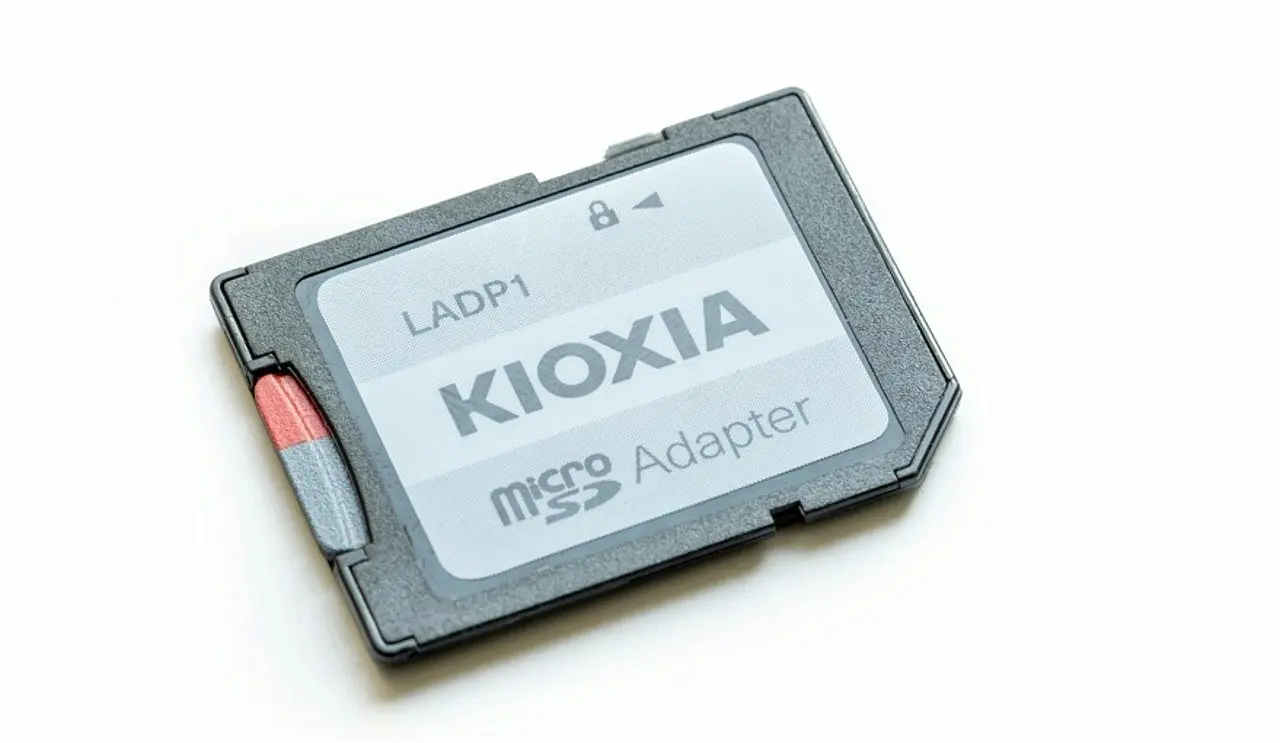
A new generation of memory chips, developed by Kioxia, promises to transform the solid-state drive (SSD) market, paving the way for storage devices with significantly greater capacities and lower production costs. This innovation, which could reach consumers in a few years, points to a notable reduction in the price per terabyte (TB) of storage, making access to large volumes of data more affordable.
Kioxia’s novelty has the potential to directly impact consumers’ pockets and companies’ technological infrastructure. With the growing demand for high-performance storage, the ability to offer more space at a lower cost is a strategic differentiator for the future of personal and enterprise computing.
Advances in flash memory architecture
The key development behind this promise lies in an improved architecture for NAND flash memory, which is the fundamental component of SSDs. Kioxia has focused on optimizing storage density and production efficiency. The Japanese company is one of the global leaders in manufacturing this type of memory, constantly investing in research and development to overcome current technological limits.
More on this story: Players will need to free up almost 200 GB on their consoles to install the highly anticipated GTA 6
This evolution allows manufacturers to create chips with more layers and storage cells in the same physical space. By stacking more layers and refining the internal design, it is possible to store a much larger amount of data on a single chip, which translates into SSDs with massive capacities without the proportional increase in component size.
How Kioxia Technology Optimizes Storage
Kioxia’s innovation is based on improving BiCS FLASH technology, which is already a reference in the 3D NAND memory sector. The new chips can stack an even greater number of layers of memory cells vertically. This technique not only increases storage density, but also optimizes the manufacturing process, resulting in more gigabytes per wafer of silicon produced.
Learn more: Rumors indicate iPhone 18 Pro is more expensive even with initial storage of 256 GB
With this optimization, Kioxia seeks to solve one of the industry’s greatest challenges: the constant search for more storage in increasingly smaller devices, without compromising speed or durability. The new architecture aims to improve communication between cells and reduce interference, ensuring consistent performance even at high densities.
See Also


Impact on SSD Costs and Affordability
The main advantage for the consumer will be the democratization of high-capacity storage. Currently, large-volume SSDs, such as 4 TB or 8 TB, still represent a considerable investment for most users. With Kioxia’s new technology, the cost per terabyte is expected to fall drastically over the next two years.
Projections indicate that a 1 TB SSD, which today can cost a few hundred reais, could have its price reduced to unprecedented levels, perhaps even below R$150 in more competitive markets. This drop in prices will make high-capacity SSDs more affordable for everyday users, gamers and professionals who handle large files, such as video editors and designers.
On the same topic: Files for the new Grand Theft Auto should take up almost 200 GB on consoles
PC and data center market transformation
In addition to the benefits for the end user of personal computers, Kioxia’s technology is also expected to bring about a significant transformation in the data center and cloud storage market. The demand for efficient and low-cost storage space is huge in these sectors, which generate billions of dollars annually.
Data centers, which require vast quantities of SSDs to operate with speed and reliability, will be able to expand their capacities at a much lower cost. This will translate into cheaper and more efficient cloud services, benefiting everyone from large corporations to small businesses that depend on these infrastructures for their daily operations.
Consumer expectations
Although Kioxia has already announced the development of this technology, the arrival of the first products on the consumer and corporate market will still take some time. Historically, after innovations in this field are revealed, it takes an average of one to two years for chips to be integrated into final products and reach shelves.
Industry experts predict that the first SSDs based on this new generation of chips will begin to appear commercially around 2026. From then on, the trend is for rapid adoption, driven by cost and performance benefits, accelerating the transition from traditional hard drives to more modern and faster storage solutions in various segments.