New Xiaomi Pad 9 Pro has leaked technical sheet showing Snapdragon 8 Gen 5 and 3.2K screen By Maria
5 min read
 |
The global mobile device market has just received an injection of news with the recent discoveries about the future launch of the Chinese technology giant. On August 28, 2026, reliable sources from the electronics industry made public the first technical details of the long-awaited Xiaomi Pad 9 Pro. The equipment promises to shake up the premium segment by combining a very high definition panel with an energy component of generous proportions, consolidating the Asian manufacturer’s strategy of going head to head with strong competitors in the digital tablet sector.
Display dimensions and the promise of unprecedented visual immersion
According to recently released unofficial reports, the next member of the brand’s tablet family will be built around a 12.5-inch LCD panel. The big difference of this component lies in its impressive 3.2K resolution, a standard that delivers a very high pixel density to guarantee crystal clear images. This technical specification makes the device a formidable tool not only for consuming films and series on streaming platforms, but mainly for graphic designers and video editors who require absolute color and contour accuracy during work hours.
Adding to the image quality, the device’s display will also incorporate a refresh rate of 144 Hz, a number that until recently was exclusive to monitors aimed at professional gamers. In practice, this technical characteristic translates into spectacular fluidity when scrolling web pages, navigating the system interface or playing competitive games. The high refresh rate eliminates the dreaded screen trailing during fast-moving scenes, ensuring that the human brain perceives transitions in a much more natural and comfortable way for the eyes.
Energy capacity designed to withstand full days of intense use
When it comes to time away from the socket, the Xiaomi Pad 9 Pro seems to spare no effort, housing a colossal energy tank of 11,000 mAh. For comparison purposes, this capacity even surpasses the battery of many ultra-thin notebooks available on the current market. This massive load volume was specifically designed to serve university students and executives who spend the entire day on the go, allowing the equipment to support marathons of virtual meetings, document typing and leisure time without the user having to look for a socket in the middle of the afternoon.
Of course, filling an energy component of this magnitude could take hours on end, but the Chinese manufacturer implemented support for 67 W fast charging to overcome this obstacle. This energy transfer power ensures that the user recovers hours of autonomy with just a few minutes connected to the electrical network, minimizing machine downtime. The veracity of this information has gained extra strength in recent weeks, shortly after the model received mandatory certification from an important telecommunications regulatory body in China, which is usually the last step before mass production.
State-of-the-art processing architecture powers the new device
The brain responsible for orchestrating all this cutting-edge hardware will be the popular Snapdragon 8 Gen 5 processor, manufactured by Qualcomm. Revealed to the world in November of the previous year, this chipset built using the sophisticated three-nanometer lithography process represents the pinnacle of semiconductor engineering. Its internal structure is intelligently divided, housing two maximum performance cores running at an impressive 3.8 GHz, working together with six other cores focused on energy efficiency that operate at around 3.32 GHz.
The practical result of this advanced silicon architecture is a tablet capable of processing data with extreme ease, regardless of the level of software requirements. Whether rendering complex three-dimensional models, exporting videos in very high resolution or running the heaviest titles in the app stores with graphics at maximum, the Snapdragon 8 Gen 5 guarantees choking-free operation. This choice of hardware consolidates the product as a true portable computer, ready to replace the traditional PC in a multitude of everyday scenarios.
Commercial strategy and segmentation of the brand’s electronics portfolio
Within the Asian company’s product hierarchy, this model will occupy the second-leading position, being one step below the almighty Pad 9 Pro Max, details of which have also circulated through the internet corridors recently. The most expensive and exclusive variant of the family will differentiate itself by offering an even more powerful recharging system, reaching the 120 W mark, in addition to abandoning Qualcomm in favor of the XRING 03, a processor developed internally by Xiaomi itself. The launch of this absolute top-of-the-line version is scheduled for September.
The decision to divide its main line of tablets into two highly capable segments reveals an aggressive tactic to dominate different niches of the high-income public. While the Pro version focuses on delivering a perfect balance between a stunning display and a long-lasting battery, the Pro Max edition is aimed at those enthusiastic consumers who insist on having the fastest recharge on the planet and want to experience the deep integration provided by a proprietary chip. It is a diversification maneuver to attract multiple profiles of demanding users.
The manufacturer’s large screen ecosystem has undergone a remarkable maturation process in recent years, going from being just an affordable alternative to becoming a fierce competitor against traditional brands in the sector. The imminent introduction of this ninth generation highlights the company’s commitment to raising the industry standard. By combining top-shelf components with cutting-edge specifications, the company reinforces its role as a leading force in the global technology market.
Information gaps and expectations for the official product announcement
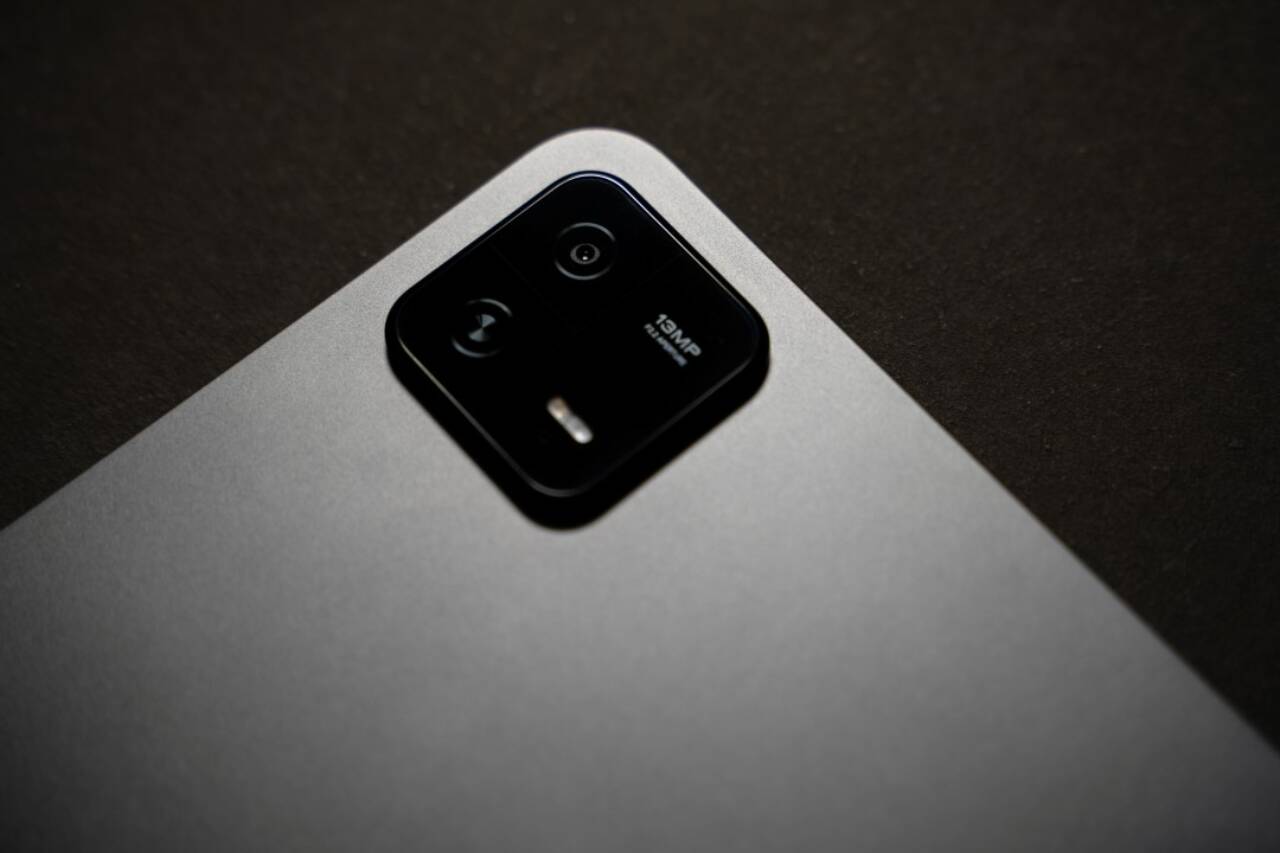
Even with the flood of leaked data detailing the internal firepower, display quality and energy capacity, the puzzle of the new equipment still has missing pieces. The external appearance of the device, the materials chosen for the construction of the housing and the arrangement of the rear and front photographic sensors continue to be kept under lock and key by the company’s engineers. This lack of renderings or real photographs of the chassis helps maintain a high level of expectation on social media, generating debates in technology forums about what visual identity will be adopted in this generation.
It is essential to keep in mind that the entire panorama outlined up to this point is based on investigations made by well-known informants in the technological world, who do not have the official seal of the brand. The Chinese manufacturer’s management maintains absolute silence about the project’s existence, a standard stance in the industry before major unveiling events. However, the volume and accuracy of the data that is emerging suggests that the marketing campaign is likely to begin soon, culminating in a global preview event projected to take place over the next month.
Summary of the main features expected for the equipment:
- Liquid crystal panel (LCD) measuring 12.5 inches, with 3.2K definition and 144 Hz frame refresh.
- Snapdragon 8 Gen 5 central processing unit, developed by Qualcomm.
- Battery module with 11,000 mAh capacity, supporting 67 W fast power.
- HyperOS 4 user interface, running under the Android 17 operating system base.