Joesley Batista pressured Donald Trump to cut tariffs on beef imports from Brazil


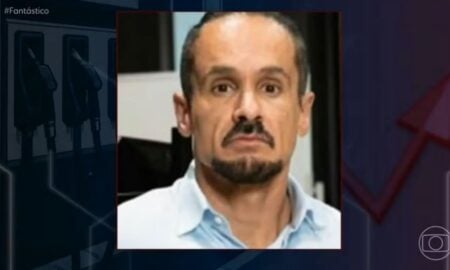
Brazilian businessman Joesley Batista, one of the controllers of JBS, engaged in persuasion efforts with the then president of the United States, Donald Trump, to reduce tariffs on imported Brazilian beef. The information was published by a large-circulation North American newspaper.
The executive’s initiative would be linked to the rise in meat prices in the American market, a scenario that brought economic and political challenges to Trump’s administration. JBS, recognized as the largest global meat processor, maintains a significant presence in the United States, and its control is shared between the brothers Joesley and Wesley Batista.
One publication reported that Joesley Batista met with Donald Trump in the Oval Office of the White House on August 20. During the meeting, people familiar with the matter reported that the discussion focused on how the increase in the supply of beef from Brazil could contribute to lower prices, if Trump decided to eliminate the 26% import tariff.
The following day, August 21, then-President Donald Trump used his social media to announce a plan that would temporarily allow a greater volume of foreign beef to enter the USA. According to the presidential announcement, these imported products would be sold at a 25% discount in relation to market values prevailing at the time.
In an official statement issued on the same date, August 21, the Brazilian government confirmed that President Luiz Inácio Lula da Silva had an 80-minute telephone conversation with Trump. This diplomatic dialogue reinforced the complexity of bilateral relations.
The agenda of the conversation between the two leaders included debates on trade tariffs, strategies to combat organized crime and the perspectives of both presidents regarding current international conflicts. Brazil is currently the largest global producer of beef, which gives strategic relevance to these discussions.
The report published in the USA also mentioned that it was not possible to identify who orchestrated the meeting between Joesley Batista and Donald Trump, leaving the origin of the organization of the high-level meeting open.
High meat prices and political implications for Trump
The continuous increase in beef prices represented a considerable complication for Donald Trump’s administration, which had as a priority goal the containment of the costs of daily consumption goods for the American population, a crucial factor for its electoral base and chances of re-election.
The proposal to temporarily suspend tariffs on imported meat, aiming to boost supply and, consequently, reduce prices for consumers, generated a strong adverse reaction. This measure aroused the indignation of livestock farmers and resulted in intense criticism from Republican parliamentarians, as well as groups representing the agricultural sector.
The National Cattlemen’s Beef Association, the main organization of cattle producers in the United States, expressed its position, stating that government interference in tariff policy would cause losses to local producers and make it difficult to maintain long-term stability in the country’s beef industry.
Still according to the original publication, the decision faced resistance from members of the Republican party who found themselves in tight electoral disputes in the mid-term elections, especially in districts with a strong rural vocation, where the impact of the measure would be felt most and could influence the results of the polls.