National Park Service finds human remains along Grand Canyon By Luís Henrique Costa
3 min read
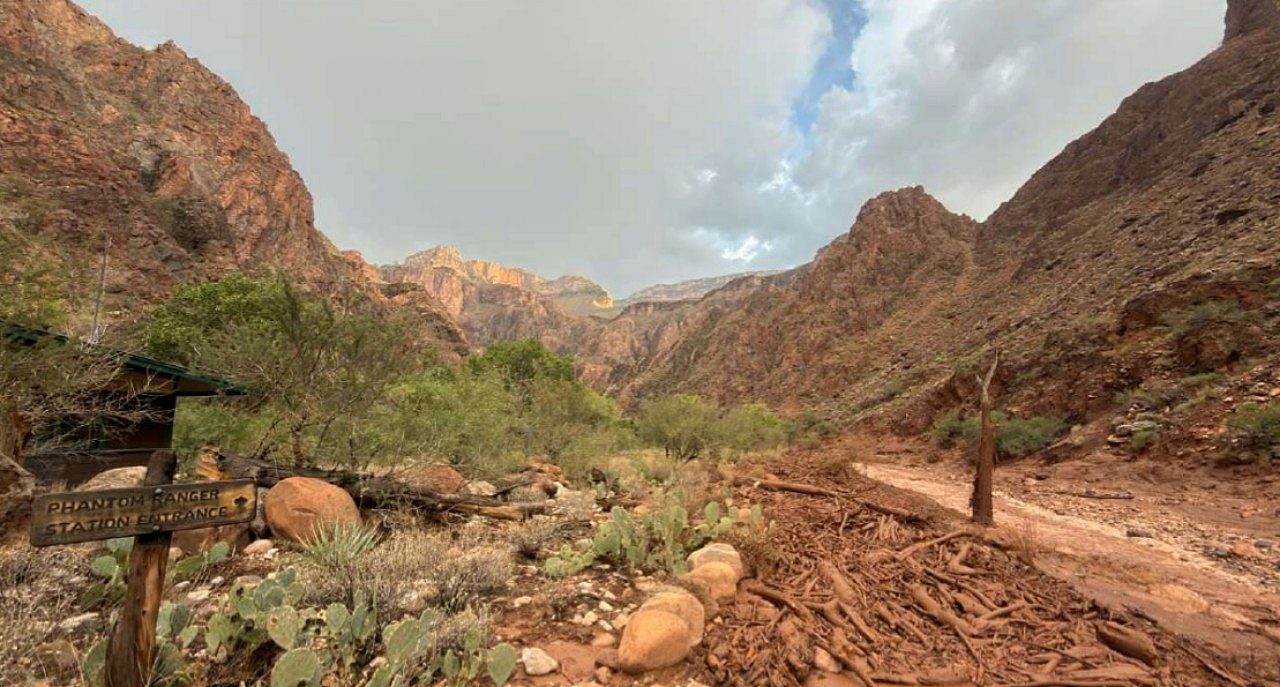 |
National Park Service rangers discovered human skeletal remains near Crystal Rapid along the Colorado River within Grand Canyon National Park in Arizona, the U.S. Department of the Interior confirmed in an official statement. Park personnel identified the biological fragments along a remote section of the river canyon during routine monitoring operations in the area.
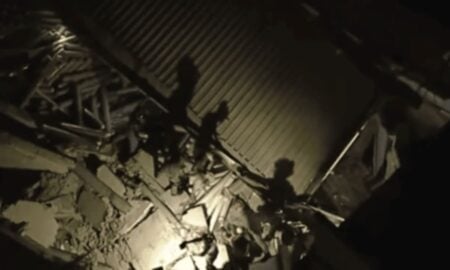
Rangers carried out the recovery operation along the Colorado River corridor.
Specialized environmental personnel extracted the skeletal fragments from the rocky shoreline and coordinated transit out of the gorge. Rescue personnel navigated difficult water conditions through Crystal Rapid, where violent whitewater and boulder hazards severely restrict boat maneuvers. Official reports noted that retrieval crews applied strict chain-of-custody protocols immediately after patrollers spotted the bones resting on the riverbank.
Crews retrieve the remains from the river corridor
Field monitors stationed at the Tusayan ranger facility in Arizona first spotted the bones during patrols along the watercourse. Because extreme canyon topography presented severe physical challenges along the Colorado River, the National Park Service deployed specialized equipment to protect and preserve all biological evidence recovered from the shoreline boulders.
After extracting the materials from the canyon floor, National Park Service personnel transferred custody directly to the Coconino County Medical Examiner’s Office in Flagstaff, Arizona, where forensic pathologists and anthropologists will conduct comprehensive medical analyses to establish the person’s legal identity. The U.S. Department of the Interior executed official paperwork to complete the formal handover to county medical investigators. Ground teams transported the physical evidence along road networks leading from Tusayan directly into urban testing facilities in Flagstaff. Specialists at the Coconino County Medical Examiner’s Office will inspect the skeletal structures to establish key biological profiles.
Forensic specialists begin examinations in Flagstaff
Examinations began in Flagstaff. County personnel took immediate charge of the specimens upon delivery at the morgue.
The Coconino County Medical Examiner’s Office maintains legal jurisdiction over death investigations and skeletal assessments throughout Coconino County. Forensic investigators will cross-reference medical records and dental charts against the bone structures retrieved from Crystal Rapid. According to the U.S. Department of the Interior, county forensic doctors retain sole statutory authority over the anthropological testing process.
Federal rangers based near Tusayan maintain round-the-clock observation across the Grand Canyon sector where field teams located the remains. The National Park Service runs regular boat patrols through the Colorado River corridor to manage expedition traffic and provide emergency responses to wilderness incidents.
Crystal Rapid ranks among the most hazardous whitewater sections along the entire Colorado River drainage, creating severe turbulence that endangers even seasoned river runners. The U.S. Department of the Interior has released no details regarding the person’s identity, sex, or estimated time of death. Any definitive determination will depend entirely on final laboratory results from the Coconino County Medical Examiner’s Office. Federal officials confirmed that the active incident file remains open while technicians in Flagstaff continue their diagnostic procedures.
Park administrators at the Grand Canyon coordinate directly with regional law enforcement agencies to compare missing person reports filed across Arizona. Meanwhile, the National Park Service instructs commercial guides and private river runners to report any unusual discoveries along the banks of the Colorado River immediately.
The Coconino County Medical Examiner’s Office currently secures the physical evidence at its main facility in Flagstaff. Forensic staff will retain the remains under chain-of-custody protocols until comparative examinations yield conclusive findings. Pathologists plan to log all structural details in the county case registry.