Apple keeps older iPhone units active with iOS 26.7 in 2026

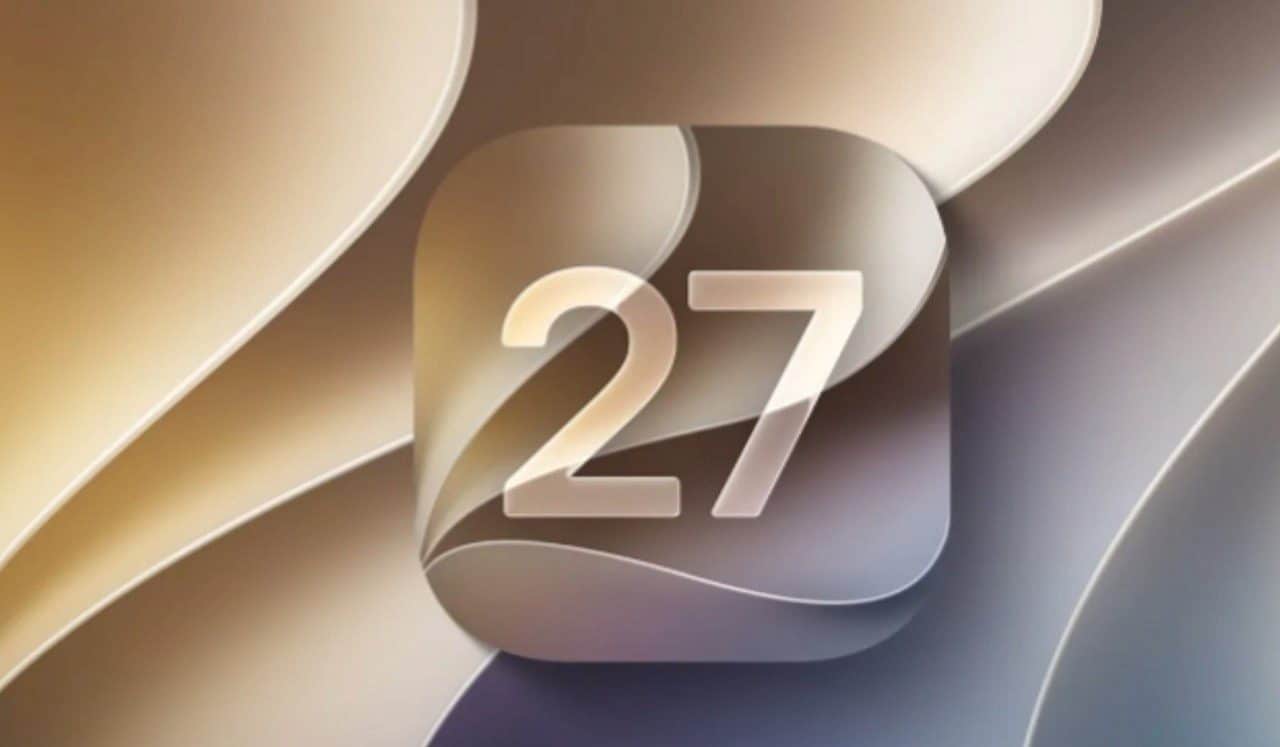
Apple confirmed on September 18, 2026, in Cupertino, that iPhone models continue operating normally even when owners choose to postpone the installation of iOS 27. The decision allows users to execute daily tasks without interruption, though it prevents immediate access to modern software tools and reduces long-term device defenses.
Direct operational consequences of declining the upgrade
Skipping the operating system deployment alters system routines and reshapes device maintenance. The choice immediately modifies security support schedules and determines the functionality of upcoming digital utilities. Device owners retain operational stability while foregoing systemic interface changes.
Older builds retain standard hardware features
The smartphone keeps working. Users maintain their current operating setup to place phone calls, transmit text messages, record photographs, and browse web pages while installed software remains technically viable with the previous platform generation.
The company launched iOS 26.7 on September 18, 2026, alongside iOS 27 to let consumers retain the preceding system architecture while receiving critical security patches published on September 14, which prevents premature software obsolescence across eligible phone generations. Device owners can inspect the update directly within the Settings menu whenever they decide to initiate the transition. The hardware stays active.
Remaining on older platforms introduces technical barriers over extended periods. Because native Apple software tools prohibit rolling back to previous system releases once an installation completes, delaying the migration gives consumers time to monitor real-world system stability before committing their primary hardware.
Long-term resistance to updates eventually produces compatibility bottlenecks across basic services. Handsets remain restricted from accessing developer enhancements released exclusively for newer environments. System performance also remains tied to legacy frameworks.
Missing the latest visual design and system intelligence
Bypassing iOS 27 immediately blocks access to revised interface aesthetics and proprietary computing utilities designed by Apple. These visual and functional transformations remain restricted to the newer release.
- Redesigned Siri voice assistant featuring contextual display comprehension driven by Apple Intelligence.
- Artificial intelligence utilities built into native applications on compatible hardware.
- Automated media sorting tools and photo editing algorithms in the Photos application.
- Restructured web searches and automated tab management within the Safari browser.
- Faster program launch speeds and accelerated file distribution via AirDrop.
- System interface redesigned around the Liquid Glass design framework.
Apple restricted the Apple Intelligence toolset exclusively to top-tier hardware, including iPhone 15 Pro and iPhone 15 Pro Max. Additional software enhancements depend on future releases planned across subsequent development schedules throughout 2026. Hardware limitations exclude standard handsets from processing these local tasks.
Security maintenance continues through targeted system patches
Smartphones do not lose defense capabilities immediately upon declining the new operating system file. Apple packaged iOS 26.7 with software repairs that neutralize vulnerabilities affecting Bluetooth connections, memory management routines, and data access permissions.
Overall system safety remains tied directly to the continued delivery of corrective software bundles from Apple for older operating architectures. If the company stops distributing patches for legacy builds, newly identified digital exploits will remain unaddressed on unpatched hardware. This leaves older devices vulnerable over time.
The manufacturer provides Background Security Improvements to distribute fast software fixes without forcing a full system transition. Owners find this operational feature configured under the Settings and Privacy menu to mitigate digital threats.
Application developers dictate ongoing software compatibility
Installed applications maintain standard operations immediately following the arrival of a major operating system release. Individual software studios establish their own hardware criteria and minimum operating thresholds. As of September 2026, widespread applications such as WhatsApp, Instagram, YouTube, and Gmail run normally on software releases prior to iOS 26.
Software restrictions emerge once third-party development teams introduce frameworks that only exist inside recent code repositories. When services introduce these dependencies, they block newer application iterations on older handsets, leaving only previously downloaded builds operational.
The App Store distributes legacy application builds to devices running outdated platforms whenever individual publishers permit those downloads. Operational restrictions happen gradually across different digital services as developers raise basic operating requirements over time. Software programs steadily phase out support for older hardware.
Timeline considerations for running previous software releases
Apple has not announced a formal deadline to terminate the functionality of devices that decline the iOS 27 build. The company delivered incremental software updates throughout 2026 to keep older units fully operational for active consumers.
The dual release of iOS 27 and iOS 26.7 on September 14 confirmed that the manufacturer maintains operational support for individuals who defer software upgrades. The availability of dual releases grants users extended time to evaluate system changes. Devices continue processing daily functions on earlier platforms.