Grand Canyon rangers recover human bones near Crystal Rapid By Carolina Costa
3 min read
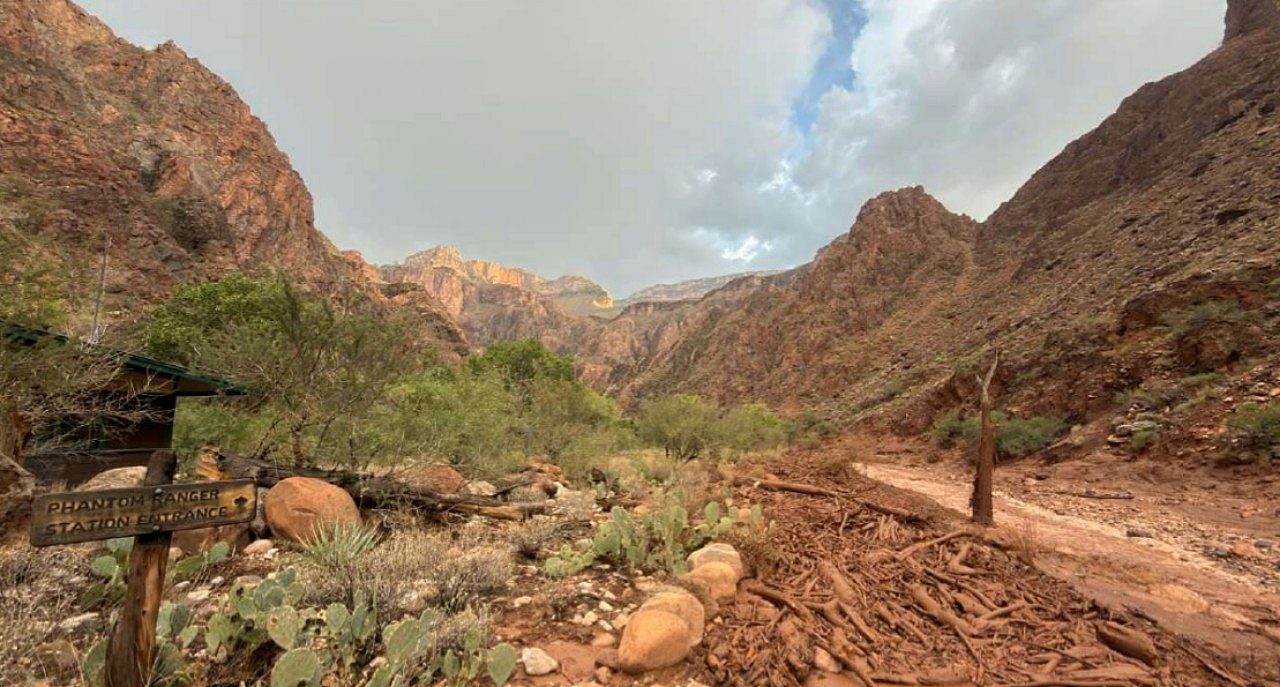 |
National Park Service rangers located human skeletal remains along the Colorado River near Crystal Rapid inside Grand Canyon National Park in Arizona. The U.S. Department of the Interior confirmed that patrol staff spotted the fragments during regular monitoring duties in the canyon. Field teams secured the immediate shoreline perimeter to protect the physical evidence.
Discovery along the river corridor
Park personnel stationed at the Tusayan ranger facility initially identified the bones during scheduled inspections along the water. The monitors observed the biological material resting on rocks directly beside the river channel.
Severe environmental obstacles along the canyon bottom required specialized equipment to safely gather every fragment without compromising chain-of-custody rules. Federal rangers transferred the skeletal remains to county coroners following strict evidence protocols developed to navigate the hazardous rapids of the Colorado River, where turbulent water surges and massive submerged boulders continuously complicate rescue and retrieval operations along remote canyon corridors. Crews packaged the materials securely to ensure complete preservation during extraction from the gorge. The investigation remains active.
Difficult recovery in turbulent waters
Specialized environmental teams navigated boats through Crystal Rapid to reach the site where the bones lay. Powerful currents and severe rock hazards create dangerous maneuvering conditions for rivercraft throughout that stretch of the gorge.
- Personnel extracted biological fragments from the rocky shoreline under formal protocols.
- Water teams coordinated transport through heavy whitewater toward designated extraction points.
- Ground units received the custody boxes for overland transit directly out of Tusayan.
River runners face extreme hydraulic hazards throughout the Crystal Rapid sector of the Colorado River. The U.S. Department of the Interior noted that retrieval specialists maintained control over all recovered items throughout the river passage. Support crews moved the secured evidence directly to vehicle staging areas near park borders.
Transfer to county medical authorities
Federal personnel delivered custody of the remains directly to the Coconino County Medical Examiner’s Office in Flagstaff, Arizona. Officials executed legal transfer documents to complete the formal handover to county investigators.
Ground teams transported the containers along local roadways connecting Tusayan to forensic facilities in Flagstaff. Pathologists and anthropologists at the county morgue immediately accepted custody of the materials. Specialists began inspecting the skeletal structures to determine identifying physical traits. County forensic doctors retain full legal authority over the anthropological testing process.
Examinations and missing person inquiries
The Coconino County Medical Examiner’s Office maintains legal jurisdiction over unexplained deaths throughout Coconino County. Staff pathologists cross-reference existing dental charts and medical case files with the retrieved bone structures.
The U.S. Department of the Interior released no details regarding sex, age, or estimated date of death for the individual. Conclusive determinations depend entirely on forthcoming laboratory reports from the Flagstaff diagnostic center. Park officials simultaneously check Arizona regional missing person databases against findings provided by forensic technicians.
Monitoring operations in the national park
Federal units based at Tusayan continue monitoring the river corridor where rangers found the fragments. Staff operate motorized patrols across the Colorado River to supervise river expeditions and manage backcountry wilderness calls.
Rangers instruct commercial guides and private boaters to report any unusual items along the banks immediately. Forensic teams in Flagstaff continue analyzing the biological specimens inside secured laboratories. Pathologists plan to log all structural details in the county case registry.