Trump negotiates cheaper Belarus potash supply over Canada

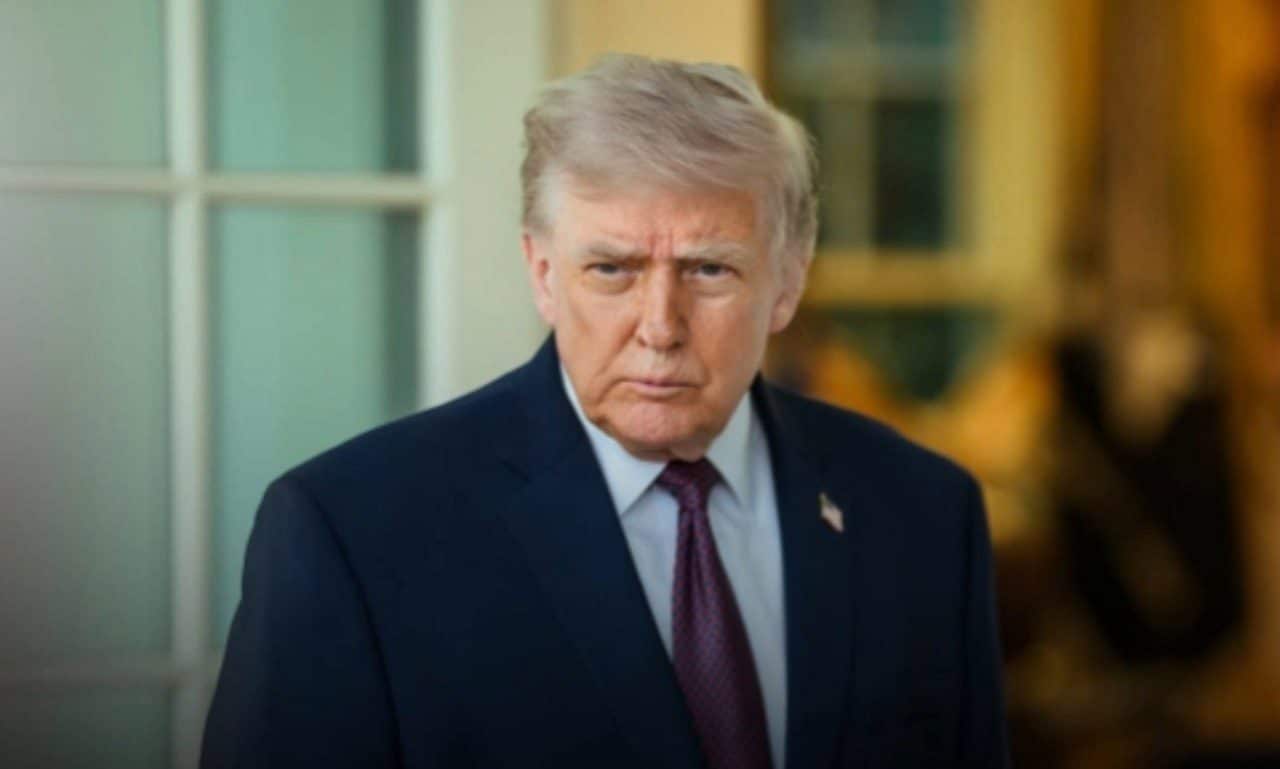
United States President Donald Trump announced efforts to secure a bilateral agreement to buy agricultural potash from Belarus following stalled trade discussions with regional partners.
The American head of state described the pending commercial arrangement as a massive deal aimed at securing foreign fertilizer reserves. The proposal targets alternative global suppliers outside traditional North American trade routes.
In a statement published on Truth Social on September 21, 2026, Donald Trump stated that the pricing would be for substantially less than the amounts currently paid to Canada, calling the development advantageous news for domestic farmers and ranchers.
According to official figures from the Government of Canada, the country led international potash commerce by delivering roughly 22.9 million tonnes in 2024. Those shipments represented more than 39 per cent of all worldwide exports that calendar year.
American agricultural buyers constitute the primary market for those outbound shipments, drawing nearly 85 per cent of all domestic potash imports directly from Canadian producers.
Production ranks third behind Russia. Belarus holds that standing in global extraction volume just after Russian facilities and Canadian operations.
Although Donald Trump stated in June that the United States did not require goods from Canada, United States Ambassador Pete Hoekstra countered that position by confirming that the domestic economy required a tremendous amount of items, specifically highlighting Canadian potash because few alternative sources exist worldwide.
Provincial leaders throughout Canada remain divided over whether to utilize the mineral as political leverage during broader cross-border trade disputes. Diverging provincial economic interests continue fueling debate among regional leaders.
Ontario Premier Doug Ford previously favored retaliation against American tariffs by restricting cross-border deliveries of electricity, crude oil and key minerals, whereas Alberta Premier Danielle Smith and Saskatchewan Premier Scott Moe expressed concern regarding lasting commercial damage to their respective resource sectors.
All 10 operational Canadian potash facilities operate within the borders of Saskatchewan. That single jurisdiction generates more than 86 per cent of all potash delivered across the American border from Canada.
Scott Moe reiterated that Saskatchewan opposes export levies or intentional delivery cutoffs toward the United States, warning that losing its leading foreign client would trigger local unemployment, elevate costs and inflict severe harm upon the regional financial base.
The premier warned that American buyers would unquestionably transition toward procuring minerals from competitive foreign producers. Scott Moe added that Canada would forfeit an established, enduring purchaser in the international marketplace under such circumstances.
Danielle Smith reinforced that stance in July, stating directly to reporters that deploying petroleum and potash supplies as retaliatory instruments is not going to happen.
Trade authorities have kept Canadian fertilizer shipments exempt from general import tariffs throughout the ongoing commercial dispute. Washington seeking supply alternatives in Eastern Europe nonetheless indicates a new round of tension between both administrations.
The diplomatic friction intensified after Prime Minister Mark Carney supported efforts toward making Canada the first associate member of the European Union, prompting Donald Trump to threaten countermeasures if he determines that alignment represents a hostile act.
The United States, Canada and the European Union instituted joint economic penalties against Belarus for domestic human rights abuses. Those governments also targeted the Minsk administration after Belarusian soil accommodated the full-scale invasion of Ukraine by Russia in 2022.
American authorities agreed to revoke trade sanctions against Belarusian potash in December 2025, following a diplomatic negotiation led by an envoy representing Donald Trump that resulted in President Alexander Lukashenko releasing 123 detainees.
Fertilizer exports from Belarus remain subject to restrictive measures enacted by the European Union. Furthermore, the landlocked nation has faced ongoing bans prohibiting cargo movements through the Lithuanian port of Klaipeda since February 2022.