Four grizzly bears killed after DNA ties them to fatal B.C. attack

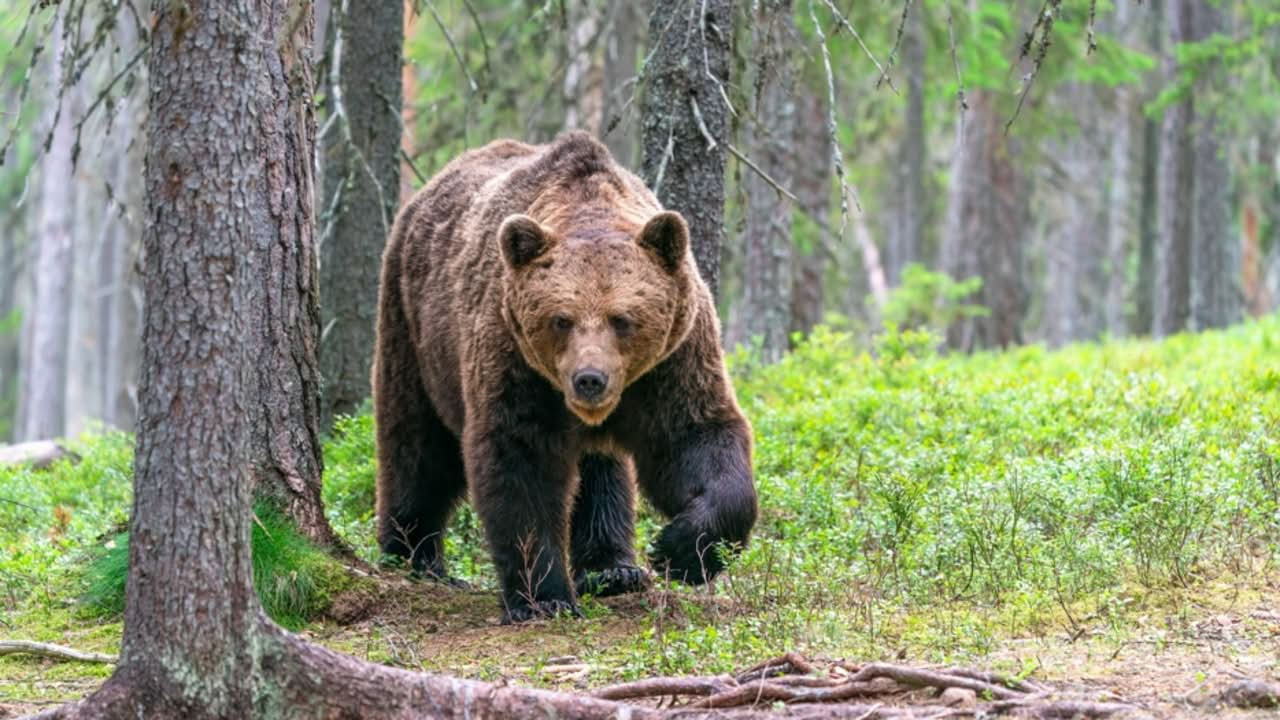
Four grizzly bears were killed after forensic tests tied them to the deaths of a mother and daughter near Bella Coola, in British Columbia, Canada. The BC Conservation Officer Service announced the findings on Tuesday, November 10, 2026. The animals were an adult female and three cubs, and investigators said the attack was carried out by the animals in a predatory way.
The victims were Jennifer Balcarras, 48, an art therapist, and her daughter Selah Reed, 20. The pair set out on a walk on the Snooka West Trail, a trail about a five-minute drive from their home, and did not come back. Their relatives reported them missing on November 1. Balcarras’s body was found on November 2, and Reed’s remains were located about 150 metres away on November 3.
Investigators classified the attack as a rare predatory event. Fatal grizzly attacks on people are uncommon in North America and usually happen when a female defends her cubs or when a bear is surprised at close range. In this case, the forensic work showed that the bears pursued the victims actively and in a coordinated way, with the aim of feeding on them.
Check out: Trump negotiates cheaper Belarus potash supply over Canada
Why autumn raises bear encounters near Bella Coola
The Bella Coola valley sits in a remote mountain region of western Canada, where wild bears are common. The area had already suffered a serious attack in 2025, when a grizzly injured several students and teachers on a trail. Investigators said the four bears killed this month were not involved in that attack, and the animal responsible for it was never found.
Wildlife officers say the season increases the risk of close contact between bears and rural residents. The final weeks before winter are a critical period for the animals, which intensify their feeding before hibernating.
Follow: France and Canada deepen strategic partnership in Atlantic amidst evolving global landscape
- Bears enter hyperphagia, a phase of intense feeding in late autumn to store fat for hibernation.
- Scarce salmon and wild berries push bears onto trails and into the edges of towns.
- Sows with cubs need more calories each day, which can raise their aggression.
- Isolated trails beside homes leave less time to react when people meet bears in dense forest.
The BC Conservation Officer Service ended the tactical search in the area after DNA tests confirmed that no other carnivore was involved in the deaths. The Nuxalk Nation, led by Chief Councillor Samuel Schooner, kept night patrols and school escorts in place and asked residents to stay away from the Snooka West Trail. The funeral for both women is scheduled for Thursday, November 12, in Cochrane, Alberta.