
Scientific investigations into cosmic origins and the potential existence of extraterrestrial biology remain unresolved despite modern advancements in planetary exploration. These fundamental questions continue to steer deep-space research missions and stimulate enduring curiosity across the global scientific community.
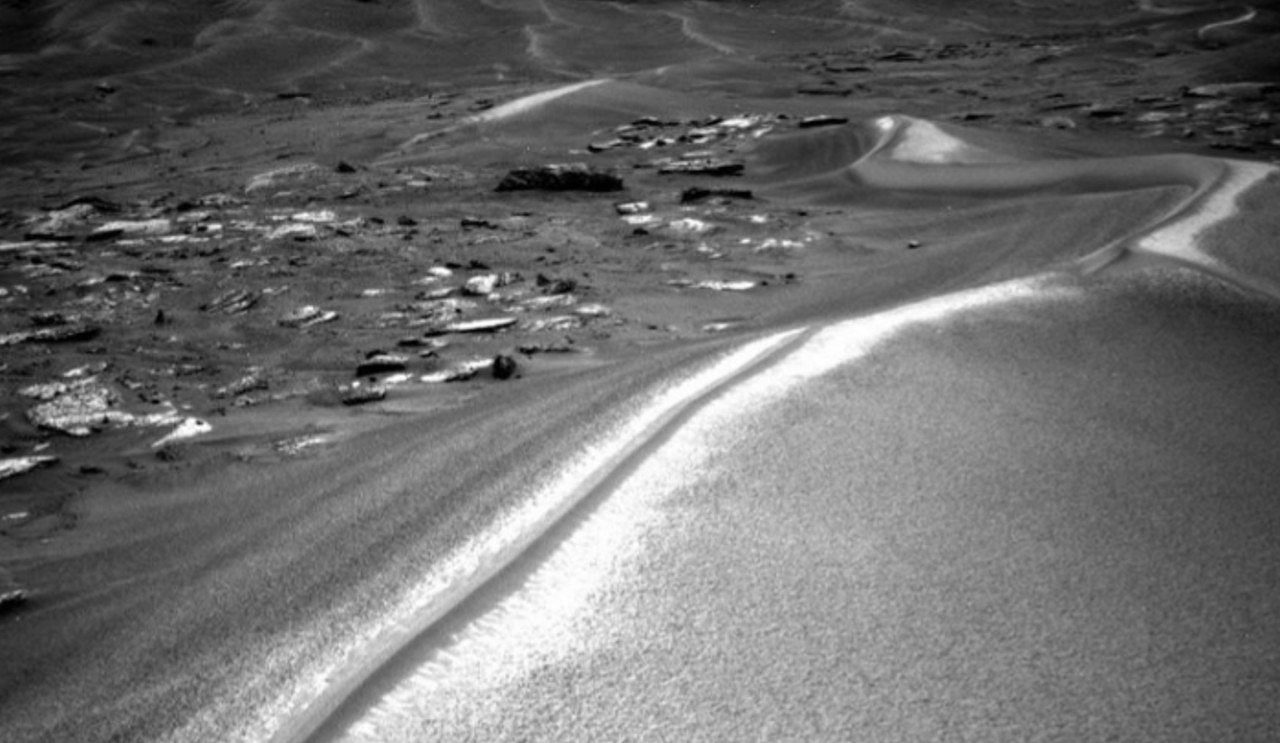
A photograph transmitted by the NASA Curiosity rover has renewed online discussions regarding surface anomalies on the red planet. The image showcases a distinct geological outcrop displaying geometry strikingly similar to an ancient pyramid, which quickly triggered viral speculation among observers.
Natural geological formations documented across the Martian terrain
This striking formation is not the only peculiar shape cataloged during surface operations on Mars. Previous transmissions from the robotic explorer have highlighted visual curiosities resembling terrestrial animals, a mysterious doorway carved into stone, and even an elongated finger among the barren rock layers.
During exploration in 2022, Curiosity recorded an intricate stony formation that closely mirrored a delicate bouquet of floral petals. Planetary scientists examined the tiny structure at Gale Crater and determined it originated from mineral-rich water flows that solidified millions of years ago.
The psychological phenomenon behind viral Martian sightings
Rigorous chemical analysis and remote sensor sweeps have yielded zero confirmed evidence of current or historical life on Mars. Planetary geologists note that surface features consistently align with expected patterns of volcanic activity, impact fracturing, and wind-driven erosion rather than artificial construction.
Follow: Heading to Mars and the Moon: NASA and SpaceX launch Crew-13 mission with 4 astronauts into space
Scientific explanations attribute these recurring visual misinterpretations to the well-documented cognitive effect known as pareidolia. This perceptual tendency leads observers to assign recognizable meaning to entirely random visual stimuli without any underlying deliberate design.
Human neurological wiring regularly identifies familiar faces, animals, or geometric architecture within chaotic arrangements such as drifting clouds and natural cliff faces. On Mars, ongoing exposure to light, shadow, and wind erosion turns ordinary rock fields into deceptive visual patterns.





