Cost-of-living protests in France: 320,000 people, tear gas and Paris clashes By Luís Henrique Costa
3 min read
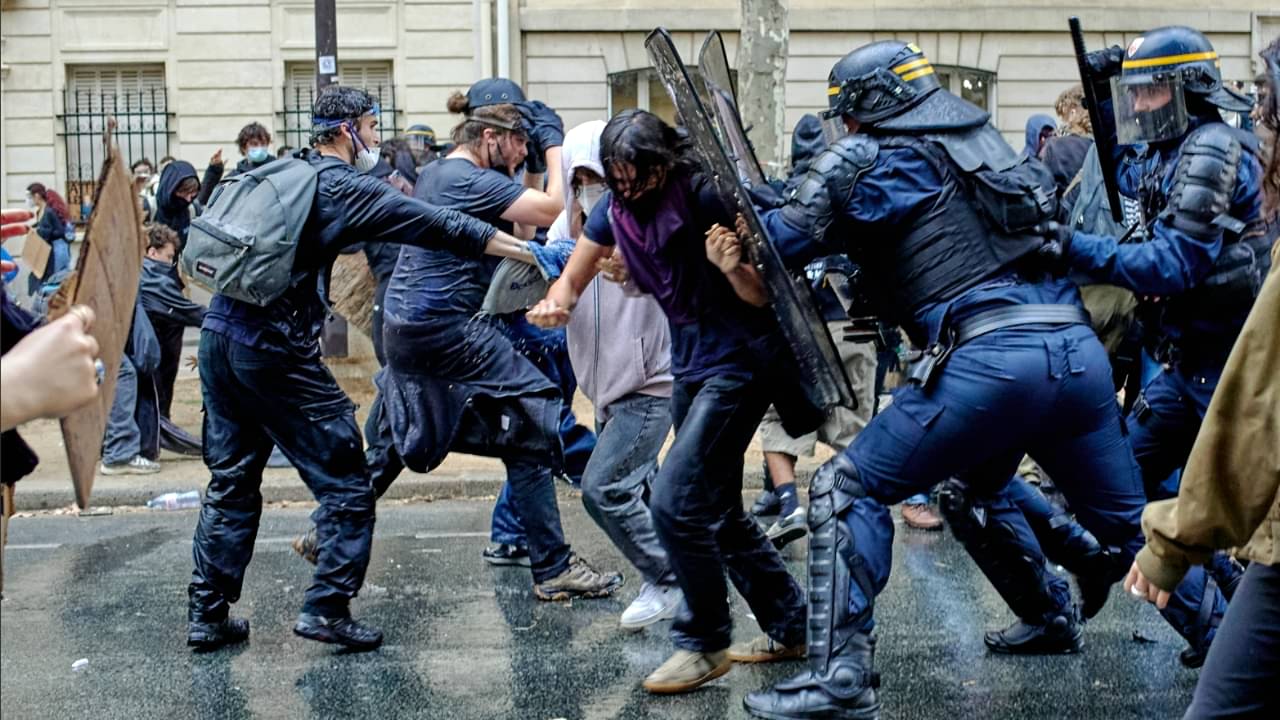 |
Police fired tear gas at small groups of protesters in Paris and in towns across France on Saturday, October 31, 2026, as nationwide rallies against the cost of living drew 320,000 people. The demonstrations, led by labour unions and the Yellow Vests movement, ended with clashes in the capital and isolated riots in Lyon and Toulouse.
Riot police blocked strategic roads to hold back radical protesters who tried to advance on public property and commercial premises. The Interior Ministry estimated 70,000 demonstrators on the avenues of eastern Paris alone, while the national total fell from 410,000 the previous Saturday and 550,000 on October 17, 2026.
Barricades and tear gas mark clashes across several French cities
Officers set up barriers to stop vandalism in the central shopping areas of the French capital. An administrative court in Paris kept the ban on the traditional route between the Nation and Bastille squares after a union appeal was rejected.
Interior Minister Laurent Nunez ordered closer monitoring of masked people at train stations and on roads. Police also acted in Marseille and Bordeaux to prevent a repeat of the looting seen two weeks earlier.
Department stores and international luxury brands stayed behind wooden boards and metal structures on the main avenues. The fear of looting led the US Embassy to tell foreigners to avoid gatherings in French cities.
Follow: Australian opposition proposes fuel excise cut funded by tobacco levy amid cost of living crisis
Students, unions and Yellow Vests widen anger over living costs
High school and university students began the wave of complaints in September, during debates on university admissions and overcrowded classrooms. The movement gained backing from labour unions and members of the Yellow Vests, a group that has challenged fuel prices since 2018.
“When I was little, people told me young people were the future,” said Aaron Berthier de Grandry, a 15-year-old student. The teenager told the Paris protest that the lack of resources undermines the country’s sustainability in the decades ahead.
Worker organizations question how public money is shared and point to a fast drop in the buying power of working families. The street anger spread across Europe, with youth-led protests in Germany and Italy, and police in Cologne used water cannon against crowds.
Retail losses top €1 billion as Fitch cuts France’s outlook
Partial work stoppages and violence caused losses of more than €1 billion in retail trade. Additional estimates put the total up to twice as high once uninsured costs and revenue not collected are counted.
Public debt stands at about 115.7% of GDP in 2025, according to Fitch, which limits the central government’s room for financial concessions. On Friday (30), the agency kept France’s A+ rating but moved the outlook from stable to negative, and it projects debt at about 124% of GDP by 2028.
Economic output contracted in the third quarter, reducing fiscal room for student and union demands. Opposition leaders use the protests to raise polarization before the next elections, and the Interior Ministry continues patrols to compile the arrest count. A nationwide strike called by the inter-union coalition over living costs follows on Thursday (5).