9-year-old child invades veterinary hospital and kills 23 animals in Paraná
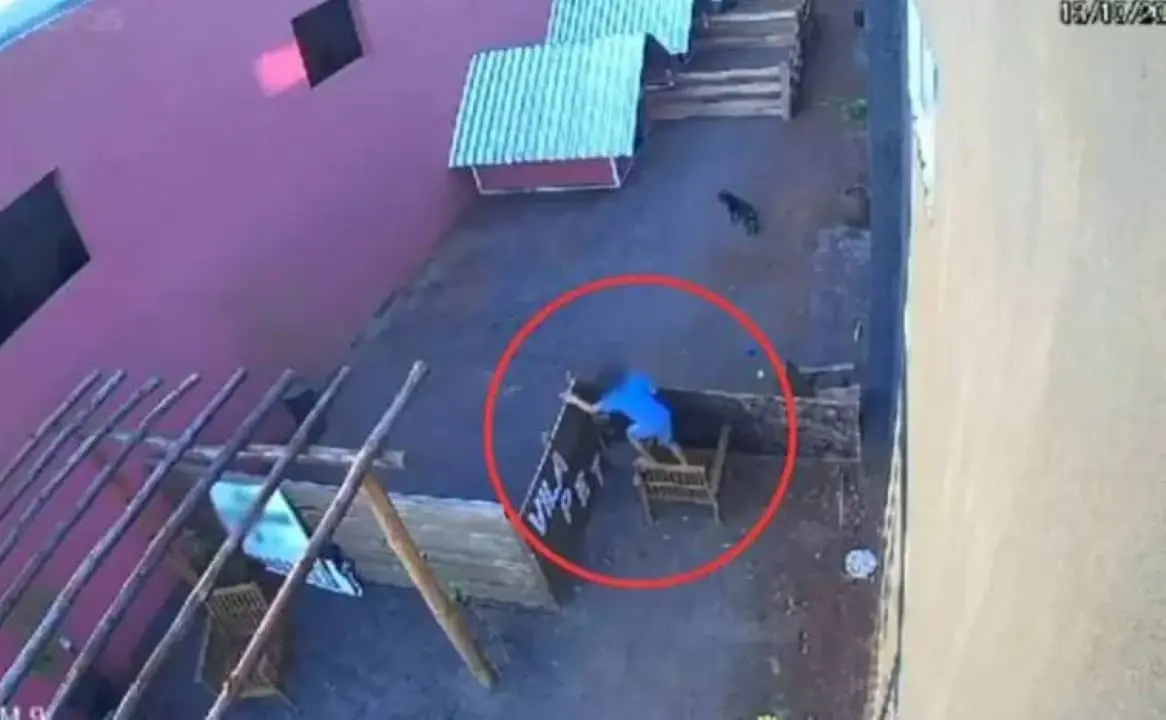
A tragic and shocking event occurred in the city of Nova Fátima, located in the northern region of Paraná, Brazil, where a 9-year-old child invaded a veterinary hospital and killed 23 animals. This incident has deeply shaken the local community, sparking discussions about violence at such a young age and how to address such alarming behavior.
The veterinary hospital, which had recently inaugurated a small petting farm, became the scene of this horrific tragedy. The child, who lives in the area, scaled the hospital’s wall with a dog and spent around 40 minutes inside the premises. During this time, the child brutally attacked the animals, throwing some against walls and dismembering others, according to local authorities investigating the case.
Discovery of the crime
The hospital staff only realized the severity of the situation after reviewing footage from security cameras. Initially, the hospital owner believed that the child had entered the facility simply to play with the animals, as the child had attended the farm’s inauguration the previous day during a Children’s Day event. However, the footage revealed disturbing acts of cruelty.
Among the 23 animals killed, 15 were rabbits, many of which were found dismembered. The local Military Police identified the child, who lives with their grandmother. Up until this incident, the child had no recorded history of violent behavior.
Cobertura completa: Brasil
Community reaction
The tragedy has left the town of Nova Fátima in a state of shock, with many locals struggling to comprehend how a child could commit such brutal acts. The incident has prompted serious questions about the mental health of children, family responsibility, and the actions necessary when dealing with extreme cases of violence involving minors.
Local residents and animal rights advocates have expressed outrage and demanded justice. Social media was flooded with calls for a thorough investigation. Meanwhile, the local Civil Police is conducting an inquiry, planning to interview the child’s family as well as local authorities. Since the case involves a minor, it requires careful legal handling to ensure the proper course of action.
Saiba mais: 9-year-old boy invades veterinary hospital and kills 23 animals in Paraná, shocking the population
The severity of the behavior
Child behavior specialists point out that extreme acts of violence like this, especially involving animals, are rare but can signal deeper psychological issues. In many cases, cruelty toward animals in children can be a warning sign of significant psychological distress or dysfunctional family environments.
The hospital’s veterinarian, Lúcio Barreto, expressed his deep sorrow and shock upon discovering the dead animals. He emphasized that the veterinary team had cared for the animals with great dedication for many years, making the loss all the more devastating for everyone involved.
“It was a horrific scene, a deep sense of helplessness. We care for these animals with such love and dedication, and to suddenly face such a tragedy leaves us heartbroken,” stated the veterinarian.
Veja Também

Briga entre motoristas provoca acidente em Cascadura, Zona Norte do Rio de Janeiro

Move Brasil: os 9 requisitos para financiamento de taxistas e motoristas de aplicativo

Vale do Aço ajusta horários do comércio para o feriado de Assunção de Nossa Senhora
The future of the veterinary hospital
Following the overwhelming grief caused by the incident, the veterinary hospital temporarily closed for mourning and to allow the necessary investigations to take place. The institution, well-regarded in the town for its work with abandoned animals, now faces the challenge of moving forward in the wake of this tragedy.
The surviving animals were immediately taken into the care of specialized veterinarians, but the emotional toll on the hospital’s staff and the local community is significant. The recovery process, both emotional and physical, is expected to take considerable time.
No mesmo tema: Coca-Cola launches Christmas ad with AI and animals instead of humans
Legal implications for the child
Legally, the case is complicated by the child’s age. At just nine years old, the child is considered below the age of criminal responsibility under Brazilian law, meaning they cannot face criminal charges. However, the investigation aims to uncover the root causes of the child’s actions, and authorities may intervene to prevent any future incidents of a similar nature.
Brazilian law allows for socio-educational measures in cases involving minors, such as psychological counseling and the involvement of child protection agencies. The grandmother, who is the child’s guardian, will also be under investigation to assess any potential influence of the family environment on the child’s behavior.
Pain felt by victims and reaction from animal rights activists
The tragedy has deeply affected animal rights activists, who are calling for stronger animal protection measures to prevent similar incidents from happening again. Local non-governmental organizations (NGOs) have organized demonstrations to raise awareness about animal rights and call for greater surveillance in facilities that care for large numbers of animals. There is also a growing movement pushing for more educational programs in local schools to promote the care and respect of animals.
Reflecting on child violence
Although this case is particularly extreme, it raises broader questions about child behavior and the factors that can lead to violent actions. Experts highlight that aggressive behavior in children can stem from a variety of sources, including genetics, family issues, exposure to violence in media, and traumatic experiences.
As society grapples with the tragic case of Nova Fátima, there is an urgent need to find effective ways to prevent children from becoming perpetrators of such violence. This case joins others from around the world, emphasizing the importance of early intervention programs that can identify and address aggressive tendencies in children before they escalate into irreparable harm.
The killing of 23 animals by a 9-year-old child in Nova Fátima has triggered widespread grief, reflection, and calls for action. The shocking nature of the incident, coupled with the age of the perpetrator, presents a unique challenge for authorities, psychologists, and the community. As investigations continue, this case will undoubtedly leave a lasting mark on the town and raise critical questions about child violence, mental health, and how society should respond.