Russia announces revolutionary mRNA cancer vaccine to be distributed for free in 2025 Por Luís Henrique Costa
7 min de leitura
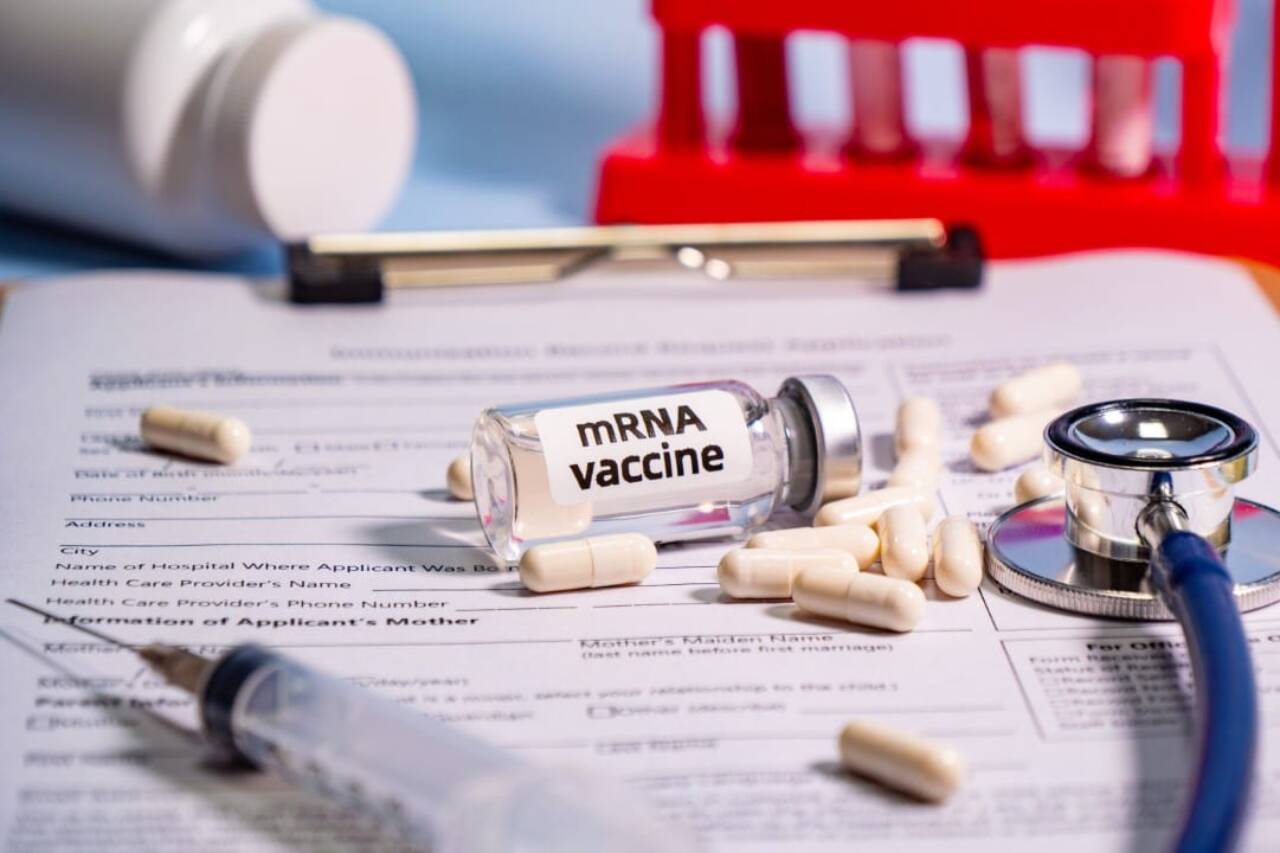 |
The Russian Ministry of Health has announced a groundbreaking cancer vaccine that will be made available to patients across the country at no cost starting in early 2025. Utilizing messenger RNA (mRNA) technology, the vaccine marks a major breakthrough in personalized cancer treatment, offering hope for millions battling the disease worldwide.
This innovative treatment is tailored to the genetic profile of each patient’s tumor, representing a shift toward more precise and effective cancer therapies. Russia is now at the forefront of medical advancements with its ambitious plan to combat one of the world’s deadliest illnesses.
mRNA technology: a game-changing approach
The cancer vaccine is based on mRNA technology, which gained prominence during the COVID-19 pandemic through vaccines that delivered genetic instructions to train the immune system. In cancer treatment, the same principle applies: the vaccine “teaches” the body to recognize and destroy tumor cells.
Unlike traditional treatments such as chemotherapy and radiation therapy, which often affect healthy cells, the new vaccine targets cancer cells specifically, minimizing harmful side effects. Each vaccine is customized based on the genetic makeup of the tumor, ensuring a personalized and highly effective approach.
According to Russia’s National Medical Research Center, preclinical tests showed significant suppression of tumor growth and metastasis formation — two major challenges in cancer treatment. However, specific details about the types of cancer the vaccine targets remain undisclosed.
The EnteroMix vaccine: combining viral therapy and immunotherapy
In addition to the mRNA-based vaccine, Russia is also developing EnteroMix, an oncolytic vaccine designed to destroy cancer cells while stimulating the immune system. EnteroMix combines four non-pathogenic viruses with the following capabilities:
- Directly targeting and killing malignant cells.
- Activating the patient’s antitumor immunity.
Clinical trials for EnteroMix are scheduled to begin between late 2024 and early 2025. Together, the mRNA vaccine and EnteroMix form a comprehensive strategy for fighting cancer, combining advanced immunotherapy and genetic precision.
Statements from leading researchers
Alexander Gintsburg, director of the Gamaleya National Center for Epidemiology and Microbiology, stated that early results from the mRNA vaccine trials were encouraging. Gintsburg, who previously led the development of Russia’s Sputnik V COVID-19 vaccine, emphasized that the technology has the potential to transform cancer treatment by offering a targeted and non-invasive alternative to conventional methods.
The Russian scientific community views the vaccine as a revolutionary step, but further clinical trials will be essential to confirm its efficacy and safety. Patients will be recruited for testing in the coming months as Russia prepares to roll out the treatment nationally.
Cancer: a global crisis
According to the World Health Organization (WHO), cancer remains one of the leading causes of death globally, with over 10 million deaths recorded in 2023. The most common forms include:
- Lung cancer.
- Breast cancer.
- Prostate cancer.
- Colorectal cancer.
The economic and emotional burden of cancer is immense, with billions of dollars spent annually on treatments, research, and lost productivity. An effective, accessible vaccine could revolutionize global healthcare, saving millions of lives and reducing healthcare costs.
Key advantages of Russia’s cancer vaccine
- Personalized treatment: Each vaccine is tailored to the genetic profile of the tumor, ensuring precise targeting.
- Rapid immune response: mRNA technology accelerates the body’s ability to recognize and attack cancer cells.
- Reduced side effects: Compared to chemotherapy and radiation, the vaccine is far less invasive and disruptive.
- Technological innovation: The vaccine’s mRNA design allows for faster development and adaptation to various types of cancer.
Scientific milestones in immunotherapy
The Russian vaccine is part of a broader field known as immunotherapy, which seeks to enhance the immune system’s ability to fight cancer. Unlike conventional treatments that directly destroy cancer cells, immunotherapy equips the body to identify and eliminate tumors naturally.
Over the past decade, therapies such as monoclonal antibodies and checkpoint inhibitors have shown significant promise. The new mRNA-based vaccine takes immunotherapy to the next level by combining cutting-edge technology with personalized medicine.
Historical progress in cancer vaccines
The development of therapeutic cancer vaccines has been a decades-long effort, with previous challenges including the genetic diversity of tumors and their ability to evade the immune system. The introduction of mRNA technology offers a solution, enabling the rapid development of vaccines that specifically target tumor cells.
Countries such as the United States, Germany, and the United Kingdom have also invested heavily in cancer vaccine research. However, Russia’s recent announcement places it ahead as the first to propose large-scale free distribution of a personalized cancer vaccine.
Challenges in vaccine distribution and implementation
While the announcement is groundbreaking, several challenges must be addressed to ensure successful implementation:
- Advanced infrastructure: Producing personalized vaccines requires specialized laboratories and high-tech equipment.
- Logistical hurdles: Storing, transporting, and administering mRNA vaccines can be challenging, particularly in remote regions.
- Clinical validation: Large-scale clinical trials are necessary to confirm safety and efficacy.
- Global accessibility: Extending the vaccine’s benefits beyond Russia will require international agreements and production scalability.
The global impact of Russia’s announcement
Russia’s announcement has sparked significant interest worldwide, raising expectations for a future where cancer can be effectively treated or even prevented. If clinical trials confirm the vaccine’s success, it could become a model for other nations seeking to develop similar therapies.
For millions of cancer patients globally, the news offers hope. The ability to customize vaccines based on an individual’s tumor profile means more effective treatments, fewer side effects, and improved survival rates.
Immunotherapy in numbers
The rapid advancement of cancer treatment, particularly immunotherapy, is supported by promising statistics:
- Immunotherapy has already led to long-term remission in up to 30% of patients with advanced melanoma.
- Survival rates for certain cancers have doubled in the past decade thanks to innovative therapies.
- Cancer-related deaths could decrease by 50% over the next 20 years with improved access to advanced treatments like mRNA vaccines.
Russia’s new vaccine adds to this momentum, highlighting the critical role of immunotherapy in modern oncology.
The role of mRNA technology beyond cancer
The success of mRNA technology during the COVID-19 pandemic demonstrated its versatility. Scientists are now exploring its potential to treat other complex diseases, including autoimmune conditions, infectious diseases, and genetic disorders.
Russia’s mRNA-based cancer vaccine could serve as a template for future breakthroughs, offering innovative treatments for conditions once considered untreatable.
What comes next?
As the clinical trials progress, the world will be closely watching Russia’s efforts to validate and implement the cancer vaccine. The combination of mRNA technology and viral immunotherapy holds immense potential, not just for Russia but for global medicine.
The free distribution of the vaccine within Russia represents a significant step toward universal access to advanced cancer treatments. While the challenges remain considerable, the announcement signals a new era in the fight against cancer — one defined by precision, innovation, and hope.