Car runs over more than 80 people and leaves dead at the Christmas market in Magdeburg, Germany Por Luís Henrique Costa
7 min de leitura
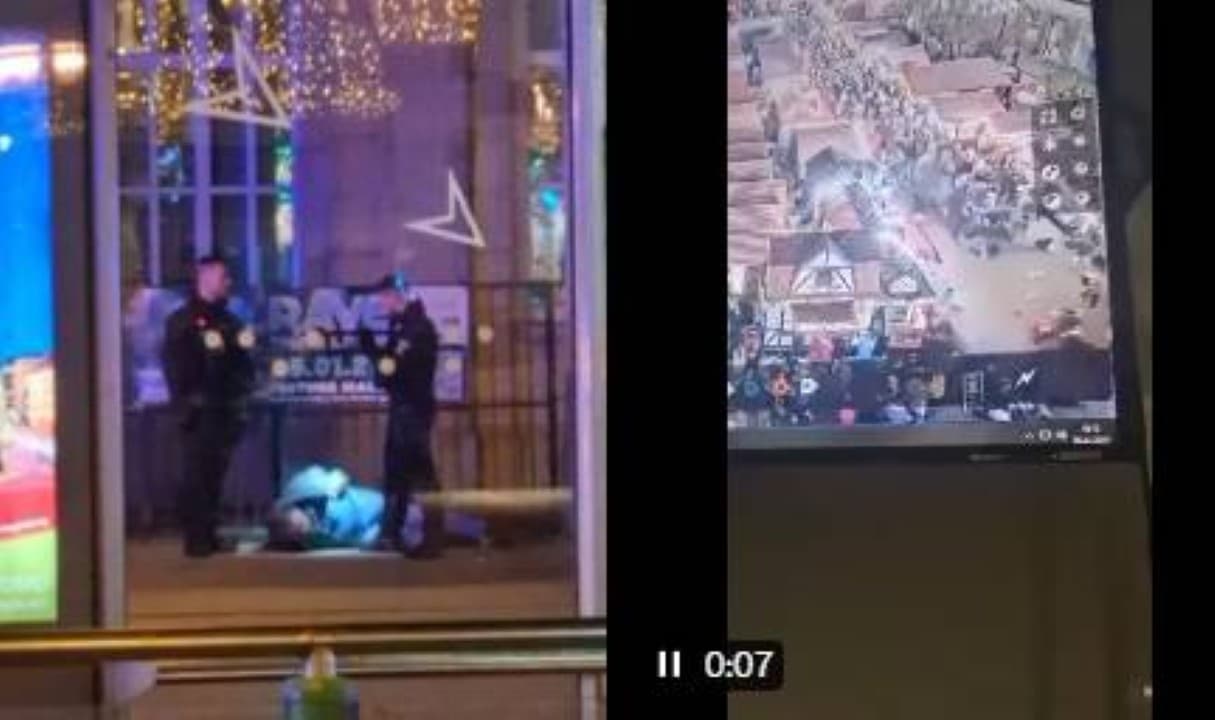 |
On the evening of December 20, 2024, a devastating incident shook the city of Magdeburg, Germany. During the festive celebrations at the city’s Christmas market, a car drove into a crowded pedestrian area, covering approximately 400 meters and leaving a trail of destruction. At least one person lost their life, and between 60 and 80 others were injured, 15 of them in critical condition. Suspicions of a deliberate attack prompted a large-scale emergency operation, with security forces and medical teams mobilized to assist victims and secure the site.
Authorities immediately inspected the vehicle involved and cordoned off the area due to the suspected presence of an explosive device inside. The driver, identified as the primary suspect, was detained at the scene. Witnesses described chaotic scenes as visitors scrambled to escape the vehicle’s path. The incident quickly garnered national and international attention, with political and social leaders expressing their condolences and concerns.
Magdeburg’s Christmas market, renowned for its festive atmosphere, draws thousands of visitors each year. This tragic event casts a shadow over a season meant for joy and celebration. Investigations are ongoing to uncover the motivations behind the attack and provide clarity on the incident.
What happened at the Magdeburg Christmas market?
Around 7 p.m. local time, a dark-colored car suddenly entered the pedestrian-only zone at Magdeburg’s Christmas market. The vehicle sped through the area, hitting numerous people before coming to a stop. Police, firefighters, and emergency responders swiftly arrived, setting up makeshift medical tents and transporting critically injured individuals to nearby hospitals.
Due to suspicions of an explosive device in the vehicle, authorities expanded the security perimeter. Rescue helicopters were dispatched, and Christmas markets across the Saxony-Anhalt region were temporarily evacuated as a precautionary measure. The operation was handled as a high-level emergency.
Ataque terrorista en Magdeburgo, Alemania, durante una celebración de un mercadillo navideño
— Alt Right España ???? (@AltRightEspan) December 20, 2024
Los primeros informes hablan de 11 muertos y hasta 60 heridos después de que el terrorista estrellara un vehículo contra la multitud de gente. pic.twitter.com/2MHhtWwA5g
Political and social reactions to the attack
German leaders responded quickly to the incident. Chancellor Olaf Scholz expressed his sorrow for the victims and their families, emphasizing the severity of the tragedy during the Christmas season. Saxony-Anhalt’s Minister-President Reiner Haseloff described the attack as “a horrific event that shakes our society.”
Magdeburg’s local community demonstrated solidarity, offering support to victims and their families. Social organizations launched fundraising campaigns to assist with medical and psychological costs. The tragedy also reignited discussions about security measures at public events, particularly at Christmas markets, which draw large crowds annually.
Historical context of similar attacks in Europe
The Magdeburg attack recalls other tragic incidents that have impacted Europe in recent years. In 2016, a truck drove into a Christmas market in Berlin, killing 12 people and injuring 56 others. Since then, European countries have heightened security at public gatherings, deploying physical barriers and increasing the presence of law enforcement officers.
Other incidents in France and the United Kingdom have similarly prompted stricter measures to protect public spaces. However, the open nature of Christmas markets continues to pose significant challenges for public safety, necessitating a delicate balance between celebration and security.
Christmas markets: tradition and economic impact
Christmas markets are a centuries-old tradition in Germany, dating back to the late Middle Ages. These events celebrate the holiday season with stalls selling crafts, traditional foods, and warm beverages, creating a magical atmosphere that attracts millions of tourists annually. Cities like Dresden, Nuremberg, and Cologne are globally renowned for their festive markets.
Beyond their cultural significance, Christmas markets also have a considerable economic impact. They generate seasonal jobs, boost local retail sales, and draw international visitors, contributing to regional economies. However, the tragedy in Magdeburg raises questions about the social and economic costs that can result from attacks targeting such events.
Security measures and challenges in public event protection
Following past attacks, German authorities implemented various measures to enhance security at Christmas markets and other public events. These measures include:
- Installing physical barriers to prevent vehicle access to pedestrian areas.
- Deploying uniformed and plainclothes police officers to monitor public behavior.
- Using surveillance cameras and facial recognition technology to identify potential threats.
- Providing specialized training for emergency responders in mass casualty scenarios.
Despite these efforts, the Magdeburg incident underscores the difficulties in anticipating and preventing sudden attacks. The inclusive and open nature of Christmas markets makes them particularly vulnerable, requiring more advanced security approaches.
Imágenes sensibles: Un sujeto ha atropellado a la multitud que abarrotaba el mercadillo navideño de Magdeburgo.
— Guaje Salvaje (@GuajeSalvaje) December 20, 2024
No sabe aún cuántas víctimas hay.
Todo apunta a un atentado terrorista, pero los de siempre dirán que el autor tenía “problemas psicológicos”.https://t.co/xCF9gi23DY
Eyewitness accounts of the attack
Witnesses described the attack as chaotic and terrifying. Many reported seeing the vehicle suddenly appear, speeding through the market and hitting several people before coming to a halt. A visitor recalled, “I was with my children, and when we saw the car coming, we ran as fast as we could. It was pure panic.”
A vendor working at one of the stalls said, “Everything happened so quickly. I heard screams and saw people running. When I realized what was happening, there were injured people everywhere.” These accounts highlight the emotional and physical toll of the tragedy on those present.
Fascinating facts about German Christmas markets
Germany’s Christmas markets are renowned for their unique atmosphere and cherished traditions. Some notable facts include:
- The oldest Christmas market in Germany is Dresden’s, dating back to 1434.
- Glühwein, a warm, spiced wine beverage, is among the most popular items sold at these markets.
- Each market has its own identity, with stalls reflecting local culture and offering exclusive handmade crafts.
- These markets attract over 160 million visitors annually, generating billions of euros for the German economy.
Despite security challenges, these events remain a symbol of celebration and togetherness during the holiday season.
Economic and social impacts of the attack
In addition to the loss of life and injuries, the Magdeburg attack has significant economic and social repercussions. Local vendors reported sharp declines in sales due to the market’s closure following the incident. Furthermore, the medical care for victims and the criminal investigation placed additional strain on public resources.
Socially, the attack created an atmosphere of fear and uncertainty, particularly for those planning to visit Christmas markets in other cities. Authorities now face the dual challenge of restoring public confidence and investigating the motives behind the attack while implementing new safety measures.
Community resilience and solidarity
Despite the tragedy, Magdeburg’s community has shown remarkable resilience and unity. Local and international organizations offered financial and psychological support to the victims, while volunteers contributed to rescue and recovery efforts. The event also underscored the importance of solidarity in times of crisis, with citizens across Germany sending messages of support and donations to those affected.
Key details about the incident
- Location: Magdeburg Christmas Market, Germany.
- Date and time: December 20, 2024, around 7 p.m.
- Casualties: 1 confirmed fatality, 60–80 injured, including 15 in critical condition.
- Suspect: Driver of the vehicle, detained at the scene.
- Response: Area cordoned off, nearby markets evacuated, rescue helicopters and medical teams deployed.