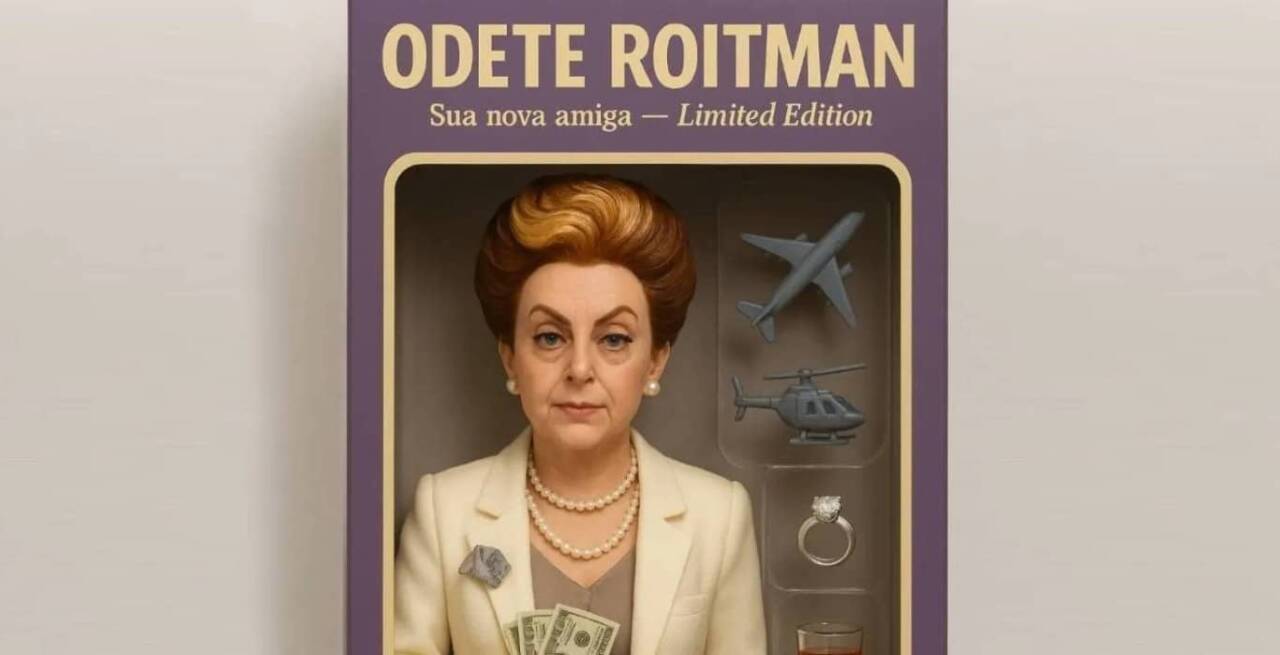
The latest social media craze has taken off, blending creativity, technology, and a touch of nostalgia. Users on TikTok, Instagram, and X are turning their photos into stylized collectible figures, complete with custom accessories and packaging that mimics real toy store products. Dubbed the “action figure box” trend, this phenomenon lets anyone craft a playful version of themselves using artificial intelligence tools. ChatGPT, with its newly added image generation feature, drives this viral wave, captivating celebrities, influencers, and even politicians. All it takes is a photo, a detailed prompt, and a few minutes to produce shareable images that rack up likes and views in no time.
This trend follows the heels of the Studio Ghibli-style photo craze, which turned snapshots into poetic animations. Now, the spotlight is on 3D toy figures, packaged in boxes reminiscent of classic geek collectibles. The ease of AI tools and their striking visual appeal fuel its rapid rise: within days, thousands of posts flooded platforms with hashtags like #ActionFigureBox and #ToyTrend. High-profile names like Brazilian TV host Otaviano Costa and Pará Governor Helder Barbalho have showcased their versions, while fans recreate icons like Milton Nascimento and Bruno Mars.
Getting started is straightforward but requires precision. Users log into ChatGPT, upload a photo, and input a specific prompt. The AI then generates an illustration that can be tweaked or enhanced for a personal touch. Tools like Canva and PicsArt often come into play for final flourishes, such as adding logos or fictional price tags to the packaging.
How the action figure box trend swept social media
The trend’s appeal is no fluke. It taps into the enduring love for collectibles, a passion that has hooked pop culture fans for decades, while leveraging AI’s accessibility. Unlike fleeting fads, this one puts users at the center, letting them craft something unique from their own likeness. Within a week of ChatGPT’s image generation rollout in late March, usage spiked, with the free version briefly crashing under the strain of demand.
Celebrities jumped in fast. Brazilian host Celso Portiolli shared a figure of himself with a microphone and sunglasses, while finance guru Thiago Nigro, known as Primo Rico, debuted one with investment-themed accessories. Politicians like Recife Mayor João Campos and Pernambuco Governor Raquel Lyra also joined, posting their action figures on Instagram. Public figures boosted its reach, inspiring followers to try it out.
Across platforms, the trend transcends static images. Short videos on Reels and Shorts showcase the creation process or final reveals, amplifying visibility. Nostalgia plays a big role too: the figures evoke memories of superhero toys and movie merchandise, resonating with collectors and casual users alike.
Step-by-step guide to crafting your collectible
Joining the trend is simpler than it looks, though attention to detail matters. Here’s how to make your own action figure with ChatGPT:
- Log into the platform, ideally with a paid plan to bypass limits.
- Click the “+” icon and upload a well-lit photo with a plain background.
- Write a detailed prompt, like: “Create a collectible figure from my photo, in a box with a hook, featuring a guitar and book, in blue and white tones.”
- Wait for the image to generate, which may take a few minutes, then refine as needed.
The key lies in the prompt: the more specific, the better the outcome. Details like clothing, accessories, and box colors elevate the final product.
Why AI powers this viral sensation
The rise of generative AI has reshaped how people engage with tech. ChatGPT, built by OpenAI, rolled out its GPT-4o model, enabling image creation from text or uploaded photos. Launched on March 25, this update streamlined a process once reliant on DALL-E, making it faster and more intuitive. The result? A flood of experimentation, with the action figure trend leading the charge.
Unlike rival tools, ChatGPT offers versatility. Users can edit generated images, tweaking details that miss the mark. Paid Plus subscribers, at roughly 20 dollars monthly, enjoy unlimited access, while free users get three images daily. The often hyper-realistic quality sets it apart, outshining competitors in clarity and style.
Under the hood, the tech draws on vast image databases to mimic styles and patterns, turning real photos into polished illustrations. This customization hooks users, letting each figure reflect its creator’s personality.
Tips to customize your action figure
Want to stand out? Customization is everything. Beyond ChatGPT, a few tricks can make your figure pop. Start with accessories tied to your identity or job: a microphone for singers, a laptop for coders, or a skateboard for thrill-seekers. The packaging can shine too, with bold colors or catchy phrases like “Limited Edition” or “Power: Imagination.”
Post-generation, tools like Canva or Adobe Express refine the look. Adding a fake logo or price tag lends a pro vibe. PicsArt can toss in themed backgrounds, like a toy shelf or geeky scene. For extra flair, animation software can bring the figure to life in a 3D video.
Sharing smartly boosts reach. Hashtags like #ActionFigureBox, #TrendAlert, and #ToyCraze are musts, while engaging captions like “What’s your superpower?” spark interaction.
Challenges and limits of the trend
The process isn’t flawless. ChatGPT blocks images of copyrighted characters or celebrities, like Spider-Man or Taylor Swift, to avoid legal snags. Attempts to sidestep this trigger errors or refusals. Free users also face slowdowns, and initial outputs may need tweaking to match expectations.
Prompt mix-ups are another hurdle. Multiple figures in one chat can jumble details, like swapping accessories or features. Starting fresh per creation helps. Manual fixes are common too: figures might appear outside the box or with unrequested items, demanding prompt adjustments.
Viral hits from the trend
The trend has birthed standout creations. Otaviano Costa’s X post of his figure, complete with mic and shades, racked up thousands of likes. Fans crafted Milton Nascimento with a guitar and hat, while Bruno Mars got a glitzy jacket and mic. Inರ
In Brazil, Pará Governor Helder Barbalho’s figure tied to his role drew buzz, as did carnavalesco Milton Cunha’s vibrant figure with a fan, mask, and rainbow box—a masterclass in prompt precision.
Alternative tools for figure creation
ChatGPT dominates, but options abound. Deep Dream Generator, using OpenAI tech, offers free and paid image creation. Microsoft Designer, powered by DALL-E 3, suits Microsoft users. Both deliver solid results, though with less editing flexibility.
For polish, Canva’s packaging templates shine, while Adobe Express ups the design game. PicsArt’s quick effects suit novices. These tools pair with AI, empowering anyone to craft pro-level figures.
Timeline of the trend’s rise
The action figure craze has a clear arc. It kicked off with ChatGPT’s March 25 update, enabling image generation. Demand crashed the free tier days later, stabilizing by April 1 with limits. By April 2, TikTok and Instagram posts went viral. April 4 saw celebs and leaders join, cementing its status.
The rapid spread mirrors social media’s pace. In under ten days, #ActionFigureBox hit thousands of uses, proving AI’s knack for turning ideas into global hits.
Cultural impact of virtual collectibles
The trend taps a rich vein. Since the 1960s, collectibles have enthralled fans, with rare pieces now fetching thousands. Virtual figures democratize this, letting anyone join free. It’s personal too—standing out in a crowded digital space.
Nostalgia bridges generations: kids love the trend, while adults recall childhood toys. It’s a cultural mashup of past and present, fueled by creativity.
Fun facts about the action figure trend
Here’s what stands out:
- The first viral post hit TikTok on April 2, featuring a figure with a skateboard and headphones.
- ChatGPT has churned out over a million images since the update, many for this trend.
- In Brazil, #ActionFigureBox topped 50,000 uses in a week.
- English prompts often yield sharper results than Portuguese ones.
These nuggets highlight the trend’s swift, wild growth.
What’s next for the trend and AI
This is just the start. As AI gets cheaper, expect fresh twists—think auto-animations or augmented reality. The action figure craze thrives on celeb buzz and engagement, with users pushing bolder ideas daily. For newcomers, now’s the time: it’s fast, free, and a feed standout with the right mix of photo, prompt, and edits.