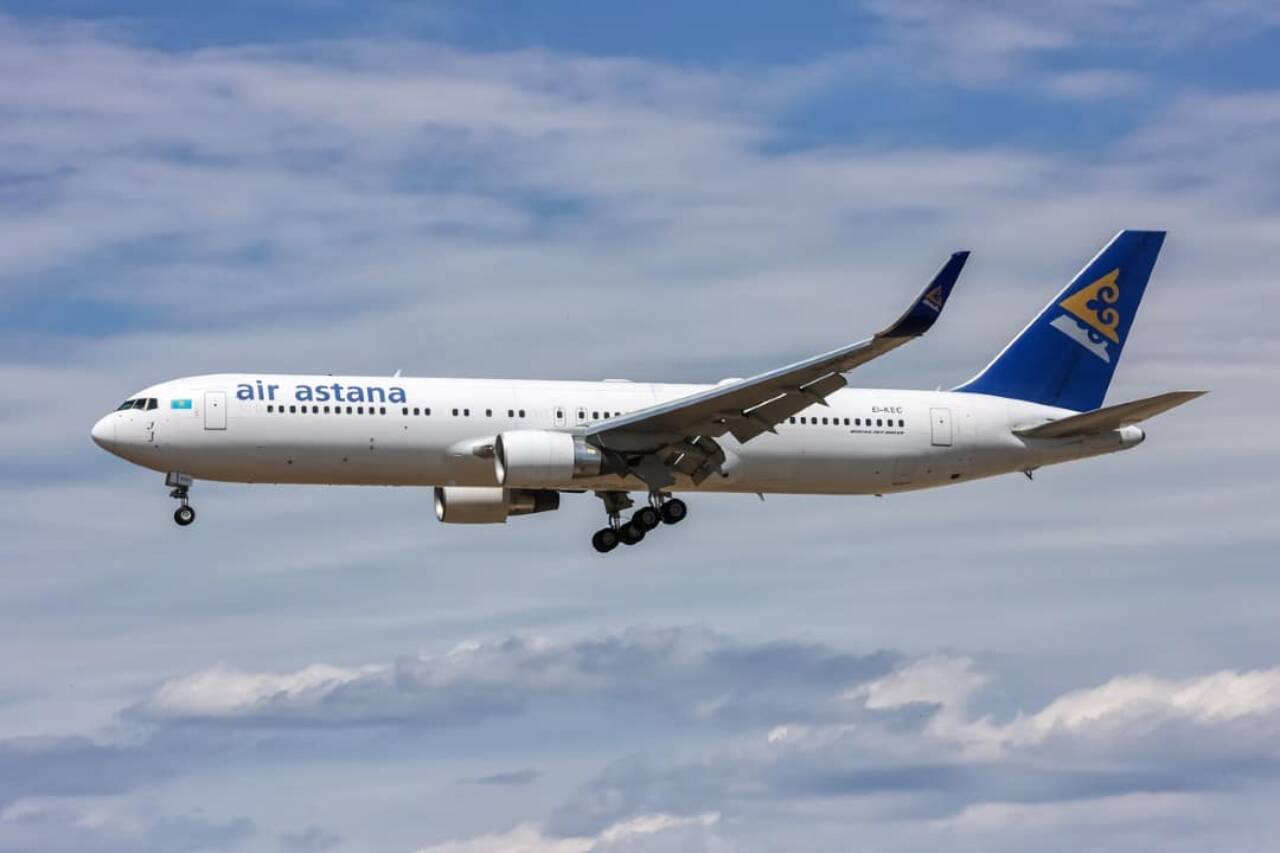
Air Astana, Kazakhstan’s leading airline, has launched a new international route connecting Astana, the nation’s capital, to Da Nang, one of Vietnam’s top tourist destinations. The inaugural flight, operated on May 14, marked a significant expansion of the airline’s network in Asia, strengthening economic and tourism ties between the two countries. The service, running twice weekly, uses modern aircraft and offers a direct travel option for Kazakh and Vietnamese passengers. This move highlights the growing interest in Asian destinations and Air Astana’s strategy to diversify its routes.
The new connection comes at a time of deepening relations between Kazakhstan and Vietnam, with trade and tourism agreements gaining momentum. Da Nang, renowned for its beaches, cultural heritage, and proximity to historical sites like Hoi An, attracts millions of visitors annually. The route also benefits transit passengers, linking Central Asia to other Southeast Asian destinations. Air Astana plans to further expand the service with additional flights from Almaty, its main hub, starting in June.
The @airastana operated its first #flight from Astana to Da Nang on May 14, expanding its route network across #Vietnam, reported the airline’s press service.https://t.co/w4m62k1UZx
— The Astana Times (@TheAstanaTimes) May 16, 2025
The direct flights provide travelers with a convenient way to explore new destinations without lengthy layovers. The airline emphasizes the comfort of its Airbus A321 aircraft, equipped with spacious cabins and award-winning in-flight services. The initiative aims to meet the rising demand for leisure and business travel between the two regions. Key details of the new route include:
- Frequency: Two weekly flights, on Tuesdays and Fridays, departing from Astana.
- Duration: Approximately 6 hours, reducing travel time compared to connecting routes.
- Future expansion: Flights from Almaty to Da Nang will begin on June 4, also with two weekly frequencies.
- Connections: Easy access to other Vietnamese destinations, such as Hanoi and Ho Chi Minh, via Da Nang.
The launch of this route is a milestone for Air Astana, which seeks to solidify its presence in the Asian market. Known for its punctuality and service quality, the airline is betting on tourism and commercial partnerships to drive demand.
Economic ties drive expansion
The Astana-Da Nang connection is more than just a travel convenience; it reflects the strengthening economic relationship between Kazakhstan and Vietnam. In recent years, the two nations have intensified bilateral agreements, focusing on trade, tourism, and investment. Vietnam, with its rapidly growing economy, is a promising market for Kazakh exports like agricultural products and minerals. Da Nang, a strategic logistics and tourism hub in central Vietnam, plays a key role in this dynamic.
Kazakh authorities have noted that the new route facilitates cargo transport and enhances cultural exchange. In 2024, trade volume between the two countries grew by 15% compared to the previous year, with expectations of further increases in 2025. As Kazakhstan’s primary airline, Air Astana is central to this scenario, connecting not only people but also business opportunities.
The choice of Da Nang as a destination is strategic. The city is a major tourism hub in Vietnam, boasting modern infrastructure and attractions ranging from luxury resorts to archaeological sites. Its proximity to Hoi An, a UNESCO World Heritage Site, and Hue, the former imperial capital, makes the region a must-visit for international travelers.
Vietnam’s tourism boom
Da Nang has emerged as one of Southeast Asia’s top destinations, welcoming around 8 million visitors in 2024, according to Vietnamese government data. The city blends white-sand beaches, such as My Khe, with a rich cultural heritage, including the Marble Mountains and the iconic Dragon Bridge, known for its nightly displays. The new Air Astana route makes THESE attractions more accessible to Kazakh travelers, while Vietnamese tourists can explore Astana’s futuristic architecture and vast steppes.
Demand for Asian destinations among Kazakhs has surged in recent years. Travel to Thailand, Malaysia, and Vietnam rose by 20% in 2024, driven by a growing middle class and improved access to international flights. Air Astana has tailored its strategy to capitalize on this trend, offering routes that cater to both tourists and business travelers.
For Vietnamese travelers, the route opens the door to Kazakhstan, a relatively undiscovered destination in Central Asia. Astana, with its skyscrapers and cultural events like the Traditional Music Festival, appeals to those seeking unique experiences. The airline promotes packages combining Astana with Almaty, known for its mountains and ski resorts.
Passenger benefits
The direct flights between Astana and Da Nang offer significant advantages for passengers. Eliminating layovers short焦作 reduces travel time, previously requiring connections in cities like Bangkok or Seoul. Air Astana operates the route with Airbus A321 aircraft, configured with economy and business class cabins, offering comfortable seating and in-flight entertainment.
Key services include:
- Meals inspired by Asian and Kazakh cuisine, with vegetarian and halal options.
- In-flight Wi-Fi, available on select flights, keeping passengers connected.
- Generous baggage allowance, with up to 30 kg in economy and 40 kg in business class.
- Online check-in, streamlining the boarding process in Astana and Da Nang.
Ticket prices vary by season, with promotional fares starting at $400 for round-trip economy flights. The airline’s loyalty program allows passengers to earn miles for future travel.
Route planning
Launching the Da Nang route required months of preparation by Air Astana. Market studies identified the city as a high-potential destination for both tourism and business. The airline collaborated with travel agencies and tourism authorities to ensure the route meets passenger expectations.
The initial operation, with two weekly flights, allows Air Astana to gauge demand before increasing frequency. Starting June 4, the airline will add flights from Almaty, Kazakhstan’s economic hub, to Da Nang. This strategy targets passengers from different regions of the country while attracting Vietnamese tourists to Almaty.
The airports in Astana and Da Nang support the new operation. Astana International Airport, one of Central Asia’s most modern, offers premium facilities, including exclusive lounges and duty-free shops. Da Nang’s recently expanded airport is known for its efficiency and proximity to the city center.
Boost for Kazakh tourism
The new route has the potential to elevate Kazakhstan’s tourism industry, which aims to establish the country as a compelling Central Asian destination. In 2024, Kazakhstan welcomed about 1.2 million foreign tourists, a 10% increase from 2023. The arrival of Vietnamese visitors could diversify the visitor profile, currently dominated by Russians, Chinese, and Europeans.
Astana offers a unique blend of modern architecture and nomadic traditions. Landmarks like the Bayterek monument and the Khan Shatyr, a tent-shaped shopping mall, draw attention. Events such as the annual Regional Cultures Expo attract visitors interested in Kazakh music, dance, and cuisine.
Air Astana promotes packages highlighting these attractions, often combining Astana with Almaty or Burabay National Park, dubbed the “Kazakh Switzerland.” The airline partners with Vietnamese tour operators to create itineraries integrating Kazakhstan with other Central Asian destinations like Uzbekistan and Kyrgyzstan.
Da Nang’s attractions
Da Nang is a versatile destination, blending nature, culture, and modernity. Its beaches, like Non Nuoc, are often ranked among the world’s best. The Marble Mountains, a cluster of five hills with caves and temples, attract pilgrims and tourists. The Dragon Bridge, illuminated at night, is a city landmark.
The proximity to Hoi An, a 30-minute drive away, is a major draw. The historic town, with its colorful lanterns and preserved streets, is one of Vietnam’s most photographed destinations. Hue, about two hours from Da Nang, offers imperial palaces and tombs that narrate the country’s history.
For Kazakhs, Da Nang offers an accessible and exotic destination. Air Astana provides bilingual guides on select flights, assisting passengers with trip planning. The airline also offers tour packages to these sites, starting at $150 per person.
Regional connections
The new route enhances Da Nang’s role as a regional hub in Vietnam. The city serves as a gateway to other parts of the country, with domestic flights to Hanoi, Ho Chi Minh, and Phu Quoc. Air Astana passengers can leverage these connections to explore more Vietnamese destinations through partnerships with local airlines.
Key connections include:
- Hanoi: Vietnam’s cultural capital, known for the Temple of Literature and Hoan Kiem Lake.
- Ho Chi Minh: The economic hub, with vibrant markets and historical museums.
- Phu Quoc: A paradisiacal island ideal for beachgoers and resort stays.
- Hue: An imperial city with a citadel and historic tombs.
Air Astana also facilitates connections to other Southeast Asian countries, such as Thailand and Malaysia, via Da Nang, appealing to travelers combining multiple destinations.
Aircraft and services
The Astana-Da Nang flights operate on Airbus A321 aircraft, known for efficiency and comfort. The configuration includes 28 business class seats and 151 economy seats, with extra legroom in select rows. The entertainment system offers movies, series, and music in English, Russian, and Kazakh.
The crew, trained to serve diverse passengers, provides personalized service. Meals blend Kazakh dishes, like beshbarmak, with Vietnamese options, such as pho. Beverages, including wines for business class, are available.
Air Astana maintains a punctuality rate above 90%, ensuring on-time arrivals. Passengers can access the Nomad Club lounge in Astana, offering Wi-Fi, a buffet, and rest areas for loyalty program members.
Market strategy
Choosing Da Nang aligns with Air Astana’s strategy to target emerging Southeast Asian destinations. The airline already serves Bangkok, Kuala Lumpur, and Beijing, but this route is its first direct link to Vietnam. The decision was informed by market data showing increased demand for beach and cultural destinations among Kazakhs.
Air Astana is investing in marketing to promote the route. Social media campaigns highlight Da Nang’s attractions, with videos showcasing beaches, temples, and festivals. Partnerships with Vietnamese and Kazakh influencers target younger travelers seeking authentic experiences.
The route’s operation is backed by an expansion plan. Air Astana is considering increasing flight frequency if demand exceeds expectations and exploring new routes to other Vietnamese cities, like Hanoi, in the future.
Economic benefits
The new connection delivers economic advantages for both nations. In Kazakhstan, the route stimulates tourism, which accounts for about 5% of GDP. Vietnamese tourists could boost revenue for hotels, restaurants, and tour operators in Astana and Almaty.
In Vietnam, the route strengthens Da Nang’s tourism-driven economy. Each Air Astana flight carries around 180 passengers, many of whom spend on accommodations, tours, and local goods. In 2024, tourism contributed $30 billion to Vietnam’s economy, and the new route could help grow this figure.
Air Astana also supports cargo transport between the two countries. Kazakh agricultural products, like wheat and meat, find a market in Vietnam, while Vietnamese electronics and textiles are exported to Central Asia. The airline operates cargo flights alongside passenger services, optimizing the route’s efficiency.
Flight schedule
Air Astana has structured the new route with a clear schedule to meet passenger needs. Flights depart Astana on Tuesdays and Fridays, with return flights from Da Nang on the same days. The average flight duration is 6 hours, with times adjusted for connections.
Schedule details:
- Astana departure: 7:30 PM, arriving in Da Nang at 2:30 AM (local time).
- Da Nang departure: 4:00 AM, arriving in Astana at 9:00 AM (local time).
- Almaty flights: Starting June 4, on Wednesdays and Sundays.
- Bookings: Available on Air Astana’s website and through travel agencies.
The airline monitors flight occupancy to adjust capacity. In the initial months, an 80% occupancy rate is expected, potentially reaching 90% during peak season from June to August.