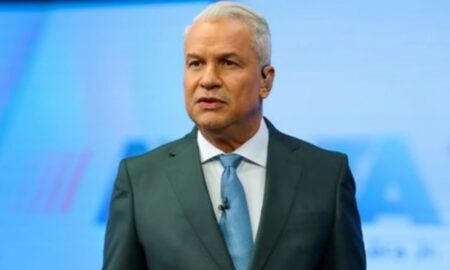
In testimony at the STF, Bolsonaro jokes and invites Alexandre de Moraes to be vice president in 2026


Bolsonaro stuns STF with invitation to Moraes as vice in 2026. During a deposition at the Supreme Federal Court on the afternoon of June 10, 2025, former President Jair Bolsonaro made an unexpected joke by inviting Justice Alexandre de Moraes to be his vice-presidential running mate in the 2026 elections. The moment, which occurred during questioning about an alleged 2022 coup plot, sparked reactions in the courtroom and on social media. The hearing, held in Brasília, also featured Bolsonaro’s statements denying any involvement in coup attempts. The remark, delivered in a lighthearted tone, reflects the political clash between the former president and the STF.
The invitation to Moraes, though presented as a jest, stood out in the deposition. Bolsonaro, while declining to answer some questions, used humor to ease the tension of the interrogation. He referenced prior meetings with Moraes, such as a December 2022 encounter at the STF attended by other justices and former Minister Paulo Guedes. The hearing was part of a probe into an alleged scheme to prevent President Luiz Inácio Lula da Silva’s inauguration after the 2022 elections.
- Key points from the deposition:
- Bolsonaro denied involvement in any coup plans.
- He argued the term “coup” is misapplied to the January 8, 2023 events.
- He emphasized the absence of weapons or organized military support.
- The hearing included moments of levity, according to lawyers’ accounts.
Bolsonaro’s testimony drew attention not only for the unexpected invitation but also for his remarks on Brazil’s political landscape. He criticized the coup narrative, drawing parallels with historical interpretations of Dilma Rousseff’s impeachment and the 1964 military regime.
Reactions to the surprising invitation
Bolsonaro’s comment prompted immediate responses in and out of the STF. Lawyers present noted that Moraes declined the invitation politely, maintaining a professional demeanor. Political observers suggested the jest might have been an attempt to soften Bolsonaro’s image of confrontation with the Supreme Court, a hallmark of his presidency and post-election period. The relationship between Bolsonaro and Moraes has been strained, particularly due to investigations into fake news and the January 8 events.
On social media, the invitation quickly gained traction. Users across political spectrums reacted, with some viewing it as provocation and others as a tactic to shift focus from the allegations. The hearing was livestreamed by some outlets, amplifying the moment’s reach.
What’s at stake in the case
Bolsonaro’s STF interrogation is part of an investigation into an alleged coup attempt following the 2022 elections. The Attorney General’s Office (PGR) claims the plot began in 2021, when STF rulings overturned convictions against Lula, enabling his candidacy. The indictment involves 34 individuals, including military figures like former Minister Braga Netto and former aide Mauro Cid.
In his defense, Bolsonaro denied participating in meetings or actions aimed at subverting democracy. He highlighted the lack of weapons, funding, or organized military support in the January 8 events, describing them as a spontaneous act by supporters. The PGR, however, presented an alleged post-coup speech that would justify measures like a state of siege or Law and Order Guarantee (GLO).
Notable moments from the hearing
The hearing had other highlights beyond the Moraes invitation. Bolsonaro referenced historical events, like the 1964 military regime, to argue that a coup requires broad institutional support, which he claims was absent in 2022. He also mentioned media coverage, citing an O Estado de S. Paulo editorial that criticized the PT for using democracy’s defense as a political flag.
- Key Bolsonaro statements:
- “A coup is an abominable thing; the aftermath is unpredictable and harmful.”
- “I never strayed from the Constitution’s boundaries.”
- “The 1,500 people on January 8 had no weapons; it wasn’t a coup.”
- “I spoke with military officers to exchange information, never about a coup.”
Bolsonaro also recounted meetings with military commanders but denied discussing coup-related actions. He described feeling a political “void” after the elections, with few allies staying in touch.
Political context of the hearing
The deposition comes amid Brazil’s polarized political climate. Investigations into January 8 and the alleged coup plot continue to fuel heated debates. The relationship between Bolsonaro and the STF, particularly with Moraes, is a focal point of this scenario. Moraes has led inquiries targeting Bolsonaro’s allies, intensifying criticism from Bolsonarists against the Supreme Court.
The hearing also reflects Bolsonaro’s strategy to maintain political relevance. By inviting Moraes, even jokingly, he reinforces his presence in public discourse, despite facing serious allegations. The mention of 2026 suggests he plans to remain active in politics, either as a candidate or influencer.
Alexandre de Moraes’ role
Alexandre de Moraes, the target of Bolsonaro’s invitation, is a central figure in Brazil’s judiciary. As an STF justice and 2022 Electoral Court (TSE) president, he made decisions impacting the electoral landscape, such as removing content deemed disinformation. His actions earned praise from democracy advocates but criticism from Bolsonaro supporters, who accuse him of overreach.
During the deposition, Bolsonaro highlighted past cordial interactions with Moraes, suggesting a less contentious history. The attempt to align himself with the justice, even humorously, may be a move to soften the narrative of conflict.
Social media impact
The invitation’s online impact was swift. Hashtags related to the deposition and STF trended in Brazil during the afternoon of June 10. Users shared memes, analyses, and critiques, with clear divides between Bolsonaro’s supporters and detractors.
- Observed reactions:
- Bolsonaro supporters shared deposition clips, praising his stance.
- Critics highlighted the jest as an attempt to dodge allegations.
- Journalists and analysts noted the hearing’s unusual tone.
- Livestreaming expanded the reach of Bolsonaro’s remarks.
The online polarization mirrors Brazil’s current political climate, with the hearing acting as a catalyst for renewed debates about the STF’s role and Bolsonaro’s conduct.
History of STF tensions
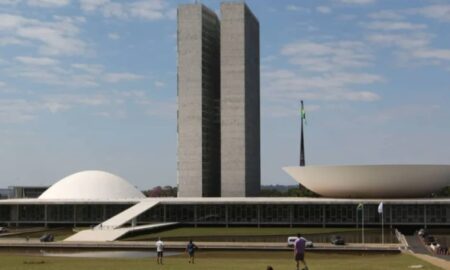
Bolsonaro’s relationship with the Supreme Court has been fraught since his presidency. He frequently criticized STF rulings, particularly on the pandemic and fake news probes. The January 8 events, when supporters stormed the Three Powers’ headquarters, escalated investigations against his allies, with Moraes leading key inquiries.
The June 10 deposition allowed Bolsonaro to present his side, but it also reinforced his defiant posture, even in a formal setting like the STF. The Moraes jest may be part of this approach.
Next steps in the case
The coup plot investigation continues at the STF. Following Bolsonaro’s testimony, other defendants and witnesses will be heard. The PGR is gathering evidence, including documents and military testimonies, to support the indictment. The case is a landmark in probing threats to Brazilian democracy, with implications for the country’s political future.
Bolsonaro is likely to keep leveraging such moments to rally his base. The 2026 reference, even in jest, signals his focus on the upcoming elections, whether as a candidate or influential figure.
Media coverage
The deposition received extensive media coverage, with the Moraes invitation as a focal point. Outlets like Globo, UOL, and CNN Brasil aired hearing excerpts, while portals like G1 and Folha de S.Paulo published detailed analyses. The media also highlighted Bolsonaro’s January 8 remarks and his attempt to downplay the coup narrative.
Coverage varied, with some outlets emphasizing the allegations’ severity and others focusing on the jest’s unusual nature. The hearing underscored the STF’s role as a stage for Brazil’s political and legal debates.