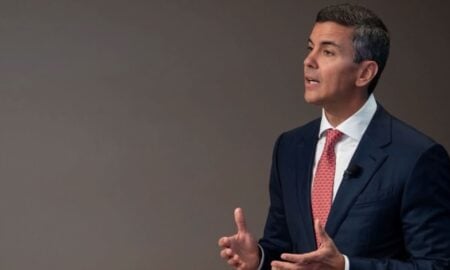
Million-dollar salaries: Diego Simeone tops coaches’ pay in Club World Cup Por Thiago Lemos
6 min de leitura
 |
The 2025 Club World Cup, hosted across the United States, showcases not only elite players but also coaches commanding staggering salaries, reflecting the financial might of top clubs. Diego Simeone of Atlético Madrid leads the pack, earning an estimated $34 million annually (R$188 million). Launched in June, the 32-team tournament highlights stark economic disparities among clubs from Europe, Asia, and the Americas, especially in coaches’ pay. Held in cities like Los Angeles and Miami, the event underscores football’s transformation into a global business with astronomical figures.
Names like Simone Inzaghi of Al Hilal and Pep Guardiola of Manchester City further illustrate the financial muscle of their clubs. Simeone’s earnings dwarf those of others, while coaches like Luis Enrique of Paris Saint-Germain also rank high. Running through July, the tournament exposes structural gaps among participants.
- Staggering figures: Simeone’s salary exceeds Inzaghi’s by over 15%.
- European dominance: Six of the top ten highest-paid coaches hail from Europe.
- Asian investment: Al Hilal, backed by Saudi wealth, competes with hefty salaries.
The focus on coaches reveals the Club World Cup as a stage for financial strategies as much as for sport.
#FIFACWC 2025 has arrived. 🎉 pic.twitter.com/Xj3YXKmW39
— FIFA Club World Cup (@FIFACWC) June 14, 2025
Salary gaps in the spotlight
The coaches’ salary ranking for the 2025 Club World Cup lays bare the financial chasm between clubs. Diego Simeone’s $34 million annual pay is more than double that of Xabi Alonso of Real Madrid, who earns $9 million. This gap reflects not only the coaches’ prestige but also their clubs’ investment capacity. Atlético Madrid, under Simeone, has become a European powerhouse, justifying his hefty paycheck with consistent results.
Clubs from South America and Africa, however, struggle to match these figures. Coaches of teams like Flamengo or River Plate, despite their reputation, work with far smaller budgets. Football’s globalization has bridged some gaps, but the salary disparity among coaches remains stark.
Financial backing behind the numbers
The high salaries of coaches like Simeone, Inzaghi, and Guardiola tie directly to their clubs’ business models. Al Hilal, supported by Saudi Arabia’s sovereign wealth fund, pours resources into securing top talent. Manchester City, led by Guardiola, operates under the City Football Group, a global conglomerate managing multiple clubs.
- Lucrative sponsorships: European clubs rely on global deals to fund salaries.
- Rising Asian market: Teams like Al Hilal aim for prominence with big spending.
- Strategic management: PSG leverages its brand to attract coaches like Luis Enrique.
- Results-driven pay: High salaries come with pressure for trophies.
These elements explain why elite clubs sustain such lavish coaching contracts while others lag behind.
Star coaches in command
Beyond Simeone, other coaches stand out in the Club World Cup. Simone Inzaghi, earning $29 million, has made Al Hilal a competitive force with Saudi backing. Pep Guardiola, at $27 million, remains a global benchmark, steering Manchester City toward another title.
Luis Enrique, with $14 million at PSG, ranks fourth, his attacking style justifying the club’s investment. Vincent Kompany of Bayern Munich, earning $10.5 million, represents a bet on a young yet proven coach. Xabi Alonso, at $9 million with Real Madrid, emerges as a rising star in European football.
South American clubs’ reality
While top earners grab headlines, South American clubs face a different landscape. Teams like Boca Juniors, Palmeiras, and Flamengo, though storied, can’t match the salaries of European or Asian giants. Their coaches often earn under $2 million annually, highlighting the financial divide.
This gap affects competitiveness. South American clubs focus on youth development and tactical nous, but limited funds restrict their ability to hire globally renowned coaches. Still, figures like Marcelo Gallardo of River Plate achieve success on tighter budgets, proving talent can shine despite constraints.
Coaches’ pivotal role
The Club World Cup isn’t just a players’ showcase—coaches shape outcomes with their strategies. Diego Simeone’s intense, defensive approach aims to propel Atlético Madrid past tough opponents. Guardiola’s possession-based game seeks to outmaneuver rivals like Real Madrid and PSG. Inzaghi, blending European expertise with Al Hilal’s resources, fields a versatile squad. These high-paid coaches bear the weight of delivering results to match their clubs’ investments.
Factors driving salaries
Coaches’ pay hinges on more than just performance. A club’s brand visibility, market, and short- or long-term goals play key roles.
- Coach’s reputation: Names like Guardiola and Simeone boost fan and sponsor appeal.
- Market demand: Asian clubs inflate salaries to rival Europe.
- Title history: Winning coaches secure better deals.
- Performance pressure: High pay demands immediate success.
These dynamics show the coaching market now rivals that of players in competitiveness and cost.
Football’s global stage
The 2025 Club World Cup underscores football’s globalization. Clubs from various continents vie for trophies, visibility, and revenue. Coaches’ salaries reflect this shift, with Asian and Middle Eastern teams gaining ground in a Europe-dominated landscape.
African and Oceanian clubs, though less financially robust, add diversity. Their coaches, on modest salaries, aim to upset favorites with innovative tactics, keeping the tournament unpredictable.
Struggles of smaller clubs
Smaller clubs face steep challenges. Teams like Morocco’s Wydad Casablanca or New Zealand’s Auckland City operate on tight budgets, reflected in their coaches’ pay. These clubs rely on local talent and lesser-known coaches to compete.
Yet, the tournament’s 32-team format offers underdogs a shot at glory. Financial gaps don’t eliminate their chances, making the Club World Cup a compelling global spectacle.
Tournament outlook
As the Club World Cup unfolds, coaches remain under scrutiny. Each match tests their ability to justify massive investments, from player signings to their own salaries. Simeone’s Atlético Madrid faces giants like Bayern Munich and Manchester City in thrilling clashes.
Running until July, the tournament demands tactical precision. Coaches like Xabi Alonso and Luis Enrique must adapt to its grueling pace, while smaller clubs seek upsets through disciplined play.