Trump’s Tariff Raises Prices of Coffee, Mangoes, Meat, and More for Americans
Starting August 6, 2025, Brazilian products like coffee, meat, organic sugar, and steel face a 50% tariff to enter the United States, as per an executive order signed by President Donald Trump on July 30. Dubbed the “tariff surge,” the measure affects around 3,800 items exported by Brazil, accounting for over 56% of total shipments to the US in 2024. Key sectors like agriculture and steel, vital in the trade relationship between the two countries, are already feeling the impact, while American consumers may face higher prices for essential goods. The decision, aimed at boosting US domestic industry, raises concerns about rising inflation and reduced product availability, particularly in categories where Brazil is a major supplier.
Although nearly 700 products were exempted from the new tax, the list of affected items includes critical commodities like coffee, which Brazil supplies about 33% of US consumption, and organic sugar, accounting for nearly half of US imports. The tariff may force the US to seek alternative suppliers or increase domestic production, but the feasibility of these options remains uncertain. If supply decreases without a drop in demand, retail prices are likely to rise, directly impacting consumers’ wallets. The Budget Lab at Yale University estimates that the tariffs could raise US inflation by 1.8% in the short term, equivalent to a $2,400 loss per household in 2025.
- Main affected products: Coffee, beef, organic sugar, mango, guava, chocolate, and steel.
- Projected impact: Price hikes in food (up to 6.9% for fruits and vegetables) and industrial goods.
- US alternatives: Limited domestic production and challenges in replacing suppliers like Brazil.
- Brazil’s reaction: Export sectors report order cancellations and losses.
Below, we detail the specific effects of the tariff on key sectors and what this means for the US market.
Brazilian coffee under pressure
Brazil, the world’s largest coffee producer, accounts for 37% of global production and one-third of US coffee imports. The US, the largest coffee consumer globally, heavily relies on Brazilian coffee, known for its unique flavor profile. The 50% tariff could make some of these imports unviable, as countries like Colombia, which supplies 8% of global coffee, struggle to meet US demand. Domestic US production, limited to small coffee farms in Hawaii and Puerto Rico, is insufficient to meet market needs.
Rising costs may force consumers to pay more for Brazilian coffee or switch to lower-quality alternatives. A Tax Foundation study notes that the lack of significant domestic production makes it hard for the US to replace Brazilian coffee. Additionally, delays in including coffee in a potential global exemption list, as suggested by Commerce Secretary Howard Lutnick, keep the sector in uncertainty.
Mais sobre o assunto: Trump’s tariff hikes coffee and beef prices: affected sectors in Brazil
Rising prices for tropical fruits
Brazil is the fourth-largest supplier of mango and guava to the US, with $56 million exported in 2024. While Mexico leads with $550 million, the 50% tariff on Brazilian products could reduce the supply of these fruits, as US production, concentrated in states like Florida and Hawaii, is limited. Brazilian producers report order cancellations, signaling potential shortages in US supermarkets.
- Estimated increase: Fruit and vegetable prices could rise 6.9%, per The Budget Lab.
- International competition: Mexico, Peru, and Ecuador may not meet US demand.
- Local impact: Consumption of tropical fruits may drop if prices rise.
The reduced supply of mango and guava could drive up retail prices, especially in regions where these products are popular. The lack of viable short-term alternatives worsens the outlook for US consumers.
Beef prices climb in supermarkets
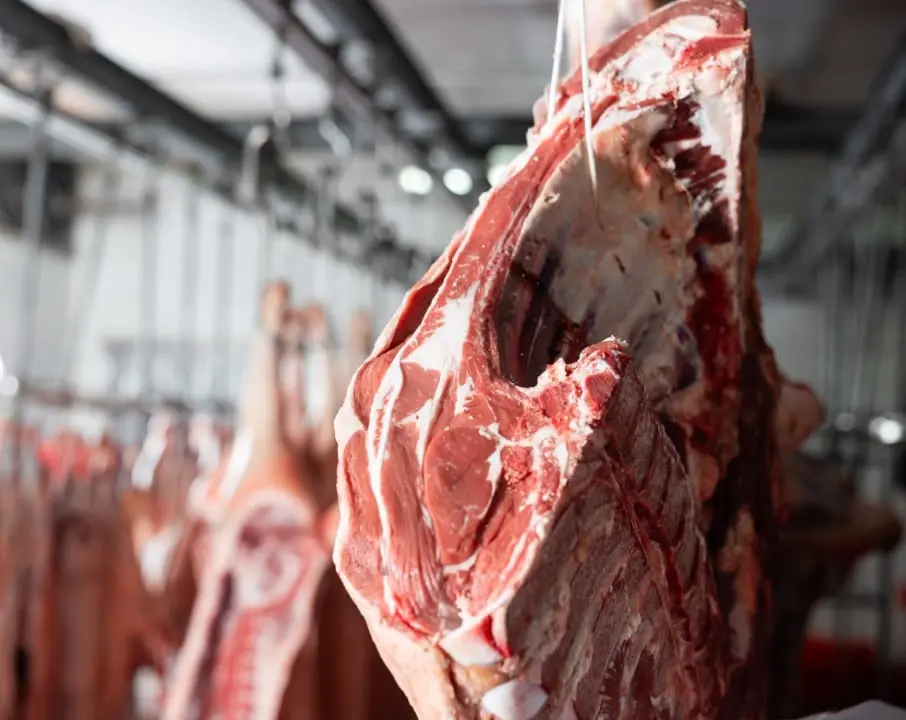
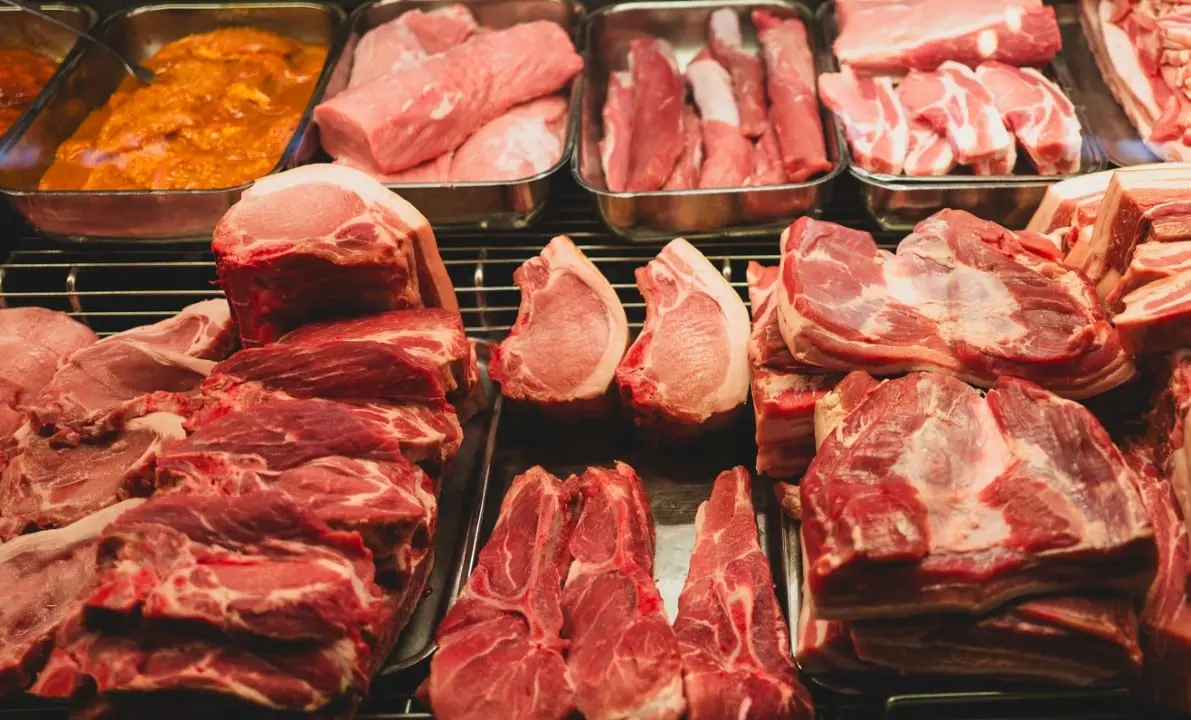
Brazil, the world’s largest beef exporter, supplies 23% of US beef imports. With the 50% tariff, the Brazilian Association of Meatpackers (Abrafrigo) warns that sales to the US may become unfeasible. Although the US is a major beef producer, growing demand and a stagnant cattle herd over the past two decades are already pushing prices to record highs in 2025.
The Budget Lab projects a 1.1% increase in beef prices in the short term. The reliance on imports to supplement domestic consumption suggests the tariff could exacerbate cost increases, affecting everything from backyard barbecues to fast-food chains.
No mesmo tema: Two leading Brazilian coffee companies named finalists for prestigious 2026 global sustainability award
Organic sugar and its impact on processed goods
Brazil dominates the US organic sugar market, supplying 49% of imports between 2023 and 2024. This ingredient is essential for products certified as organic by the US Department of Agriculture (USDA), such as yogurts, ice creams, and cereal bars. The Organic Trade Association warns that the tariff could raise production costs, impacting the entire organic food chain.
Veja Também

Salário mínimo de 2027: entenda o impacto do aumento de R$ 96 nas suas compras

Atraso na LDO ameaça orçamento e salário mínimo de R$ 1.717 para 2027

Empresas buscam recuperação de PIS e Cofins para fortalecer o caixa e evitar multas do Fisco
- Brazil’s dominance: Paraguay and Colombia, with 19% and 13% of imports, cannot meet demand.
- Cascading effect: Organic products could become up to 10% more expensive at retail.
- Industry response: US companies seek alternative suppliers, but with limitations.
The rising cost of organic sugar could reduce the competitiveness of organic products, forcing consumers to pay more or switch to non-organic alternatives.
Chocolate faces global price hikes and tariffs
Brazil is the fifth-largest supplier of cocoa butter to the US, with $61.4 million exported in 2024. The 50% tariff worsens an already challenging scenario, with global chocolate prices rising due to adverse weather and pests in Africa. As the US produces little cocoa, its reliance on imports makes the sector vulnerable.
A reduced supply of Brazilian cocoa butter could increase costs for chocolates and related products like cocoa drinks and desserts. Manufacturers are already struggling to keep prices affordable, and the tariff may intensify this pressure.
Automotive sector feels the weight of metals
Brazil is the second-largest supplier of steel to the US and the leading exporter of niobium, used in alloys for vehicle chassis and safety bars. The 50% tariff on these metals, combined with a prior 50% global tariff on steel and aluminum, could raise car production costs. The Budget Lab estimates a 39.4% price hike for metals in the short term, directly affecting the automotive sector.
Saiba mais: Brazil seeks solutions against 50% US tariff and rules out immediate retaliation
- Price impact: New cars could cost up to 5% more, per analysts.
- Supply chain: Can manufacturers warn of rising costs for canned goods.
- Domestic production: US steel industry cannot meet full demand.
Higher production costs could increase prices for new and used vehicles, as well as canned goods, affecting both automakers and end consumers.
Market reactions and uncertainties
The tariff has sparked mixed reactions. While US steel associations praise the measure for protecting local industry, sectors reliant on imported raw materials, such as can manufacturers and automakers, criticize the cost increases. In Brazil, exporters face order cancellations and are seeking new markets, like Asia and Europe, to offset losses.
Uncertainty over potential future exemptions keeps the market on edge. The suggested global exemption list, mentioned by the Commerce Secretary, lacks a clear timeline, complicating planning for companies on both sides.
How consumers will be affected
The combination of high tariffs and reliance on Brazilian imports is set to directly impact the cost of living in the US. Foods like coffee, tropical fruits, beef, and organic products are likely to become more expensive, while industrial goods like cars also face cost pressures. The projected 1.8% inflation could reduce purchasing power, particularly for middle-income families.
- Most affected products: Foods and industrial goods heavily reliant on imports.
- Limited alternatives: Substitutes like Colombia and Mexico may not meet demand.
- Long-term outlook: Consumers may shift to cheaper products.
The tariff’s impact will become clearer in the coming months as current inventories deplete and new costs are passed on to retail.