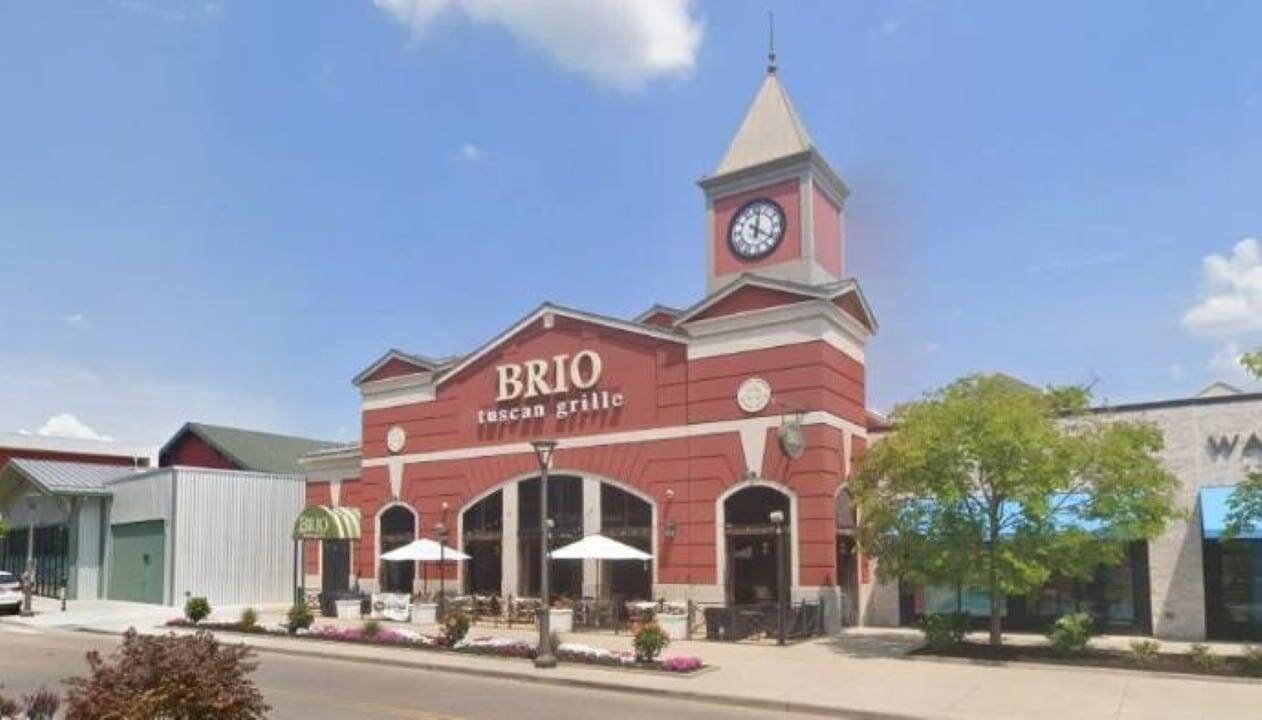
Bravo Brio Restaurants, the parent company of upscale Italian dining chains Bravo Cucina Italiana and Brio Tuscan Grille, filed for Chapter 11 bankruptcy on Monday, August 18, 2025, in the U.S. Bankruptcy Court for the Middle District of Florida. The chain, which operates four locations in the Cincinnati area, including Liberty Center, Newport on the Levee, West Chester, and Mason, faces financial difficulties attributed to macroeconomic factors such as declining consumer demand, increased competition from fast-casual restaurants, and inflationary pressures. This marks the company’s second bankruptcy filing in five years, following a restructuring in 2020 impacted by the Covid-19 pandemic. The company plans to use the process to close underperforming locations, restructure debt, and reduce operating costs, aiming for sustainable recovery.
Founded in Columbus, Ohio, in 1992, Bravo Brio Restaurants currently operates around 48 restaurants across the United States, with 25 Brio Tuscan Grille and 23 Bravo Cucina Italiana locations. The decision to file for Chapter 11 reflects challenges faced by several casual dining chains in recent years, with the company citing difficulties in shopping centers with high vacancy rates and reduced foot traffic.
- Key factors cited for the bankruptcy:
- Decline in consumer spending due to reduced purchasing power.
- Growing competition from fast-casual chains.
- Rising food and labor costs.
- Underperforming locations in malls with low traffic.
Financial struggles and industry context
Bravo Brio Restaurants faces a challenging environment in the casual dining sector, which has seen several brands struggle similarly. The company, acquired by Earl Enterprises in 2020 after its first bankruptcy, reported assets and liabilities estimated between $50 million and $100 million in its court filing. Among its creditors, Sysco Corporation stands out as the largest unsecured creditor, with a debt of $1.9 million. The planned restructuring aims to attract new investors and optimize operations, but the exact number of location closures remains undisclosed.
The U.S. casual dining sector has faced instability, with chains like Red Lobster, TGI Fridays, and Hooters also resorting to Chapter 11 in recent years. Bravo Brio noted that persistent inflation and rising operating costs have directly impacted profitability, particularly in locations with lower customer traffic. The company has already closed six underperforming locations before the bankruptcy filing, including a Brio unit at The Greene in Beavercreek, Ohio.
Impact on Cincinnati locations
The four Cincinnati-area locations—two Bravo Cucina Italiana restaurants (West Chester and Mason) and two Brio Tuscan Grille restaurants (Liberty Center and Newport on the Levee)—are under scrutiny following the bankruptcy announcement. While there is no official confirmation on which locations will close, reports suggest the company has been reducing its presence in other regions, such as the closure of a Brio location in Legacy Village, Ohio. Uncertainty surrounds the local restaurants, known for their upscale Italian cuisine, including handmade pastas, wood-fired pizzas, and grilled meats.
- Bravo Brio locations in the Cincinnati area:
- Bravo Cucina Italiana in West Chester.
- Bravo Cucina Italiana in Mason.
- Brio Tuscan Grille in Liberty Center.
- Brio Tuscan Grille in Newport on the Levee.
The local community, which frequents these locations for their family-friendly atmosphere and sophisticated menu, is concerned about potential closures. Regular patrons note that the restaurants are popular gathering spots, particularly in malls like Liberty Center, but acknowledge a decline in foot traffic compared to previous years.
History of crises and recovery attempts
Bravo Brio Restaurants’ trajectory has been marked by efforts to adapt to a rapidly changing market. In 2020, under FoodFirst Global Restaurants, the company faced its first bankruptcy, exacerbated by the Covid-19 pandemic, which led to the closure of 71 of its 92 locations at the time. During that process, Earl Enterprises, owner of brands like Planet Hollywood and Buca di Beppo, acquired Bravo Brio’s assets, aiming to revitalize the brands.
In recent years, the company implemented changes, such as appointing Craig Miller as CEO in March 2025, leveraging his experience from leading chains like Ruth’s Chris Steakhouse. Despite these efforts, Brio Italian Grille, the larger of the two brands, saw a 5.5% sales drop in the past year, totaling $113.6 million, a 47% decline over five years. Bravo Brio acknowledges that the implemented changes have not yielded the expected results, leading to the new restructuring.
Strategies for the future
Bravo Brio Restaurants plans to use the bankruptcy process to close underperforming locations and renegotiate lease agreements, which account for a significant portion of its costs. The company also seeks to attract new investors to bolster its financial position. Chapter 11 allows the chain to continue operating while reorganizing its finances, but the success of this strategy will depend on its ability to adapt to an increasingly competitive market.
- Measures planned in the bankruptcy process:
- Closure of underperforming locations.
- Debt renegotiation with creditors, such as Sysco Corporation.
- Cost reduction to improve profitability.
- Pursuit of new investors to inject capital into the company.
The chain is betting on maintaining the quality of its Italian cuisine, featuring dishes like seafood risotto and handmade pastas, to attract customers in a recovery scenario. However, competition from fast-casual chains offering quicker and more affordable options remains a significant challenge.
Community and industry reactions
The bankruptcy announcement has raised concerns among Cincinnati residents, where Bravo and Brio locations are seen as part of the local dining culture. Patrons lament the potential loss of these spaces, which offer a more upscale dining experience compared to fast-food options. Meanwhile, industry analysts note that Bravo Brio faces the same fate as other casual dining chains struggling to adapt to shifting consumer preferences for faster, more affordable experiences.
The U.S. restaurant industry is undergoing a transition, with some brands like Chili’s and Texas Roadhouse thriving by investing in quality and innovation. In contrast, chains like Bravo Brio, Red Lobster, and TGI Fridays face challenges due to accumulated debt and less adaptable business models. Bravo Brio, however, remains optimistic, emphasizing that the bankruptcy process is a tool for restructuring, not the end of its operations.
Outlook for the restaurant market
The Bravo Brio case reflects a critical moment for the U.S. casual dining sector. The combination of high operating costs, shifting consumer habits, and intense competition has put pressure on traditional brands. The company, once a leader in the casual dining segment, now faces the challenge of reinventing itself in a market dominated by more affordable and agile options.
- Factors impacting the casual dining sector:
- Growing preference for fast-casual restaurants.
- Reduced foot traffic in malls and shopping centers.
- Inflationary pressures on food and labor costs.
- Changing consumer habits post-pandemic.
The restructuring of Bravo Brio will be closely watched by analysts and consumers, particularly in Cincinnati, where its locations hold strong appeal. The company’s ability to adapt to this new landscape will determine whether it can maintain its relevance in the competitive U.S. dining market.