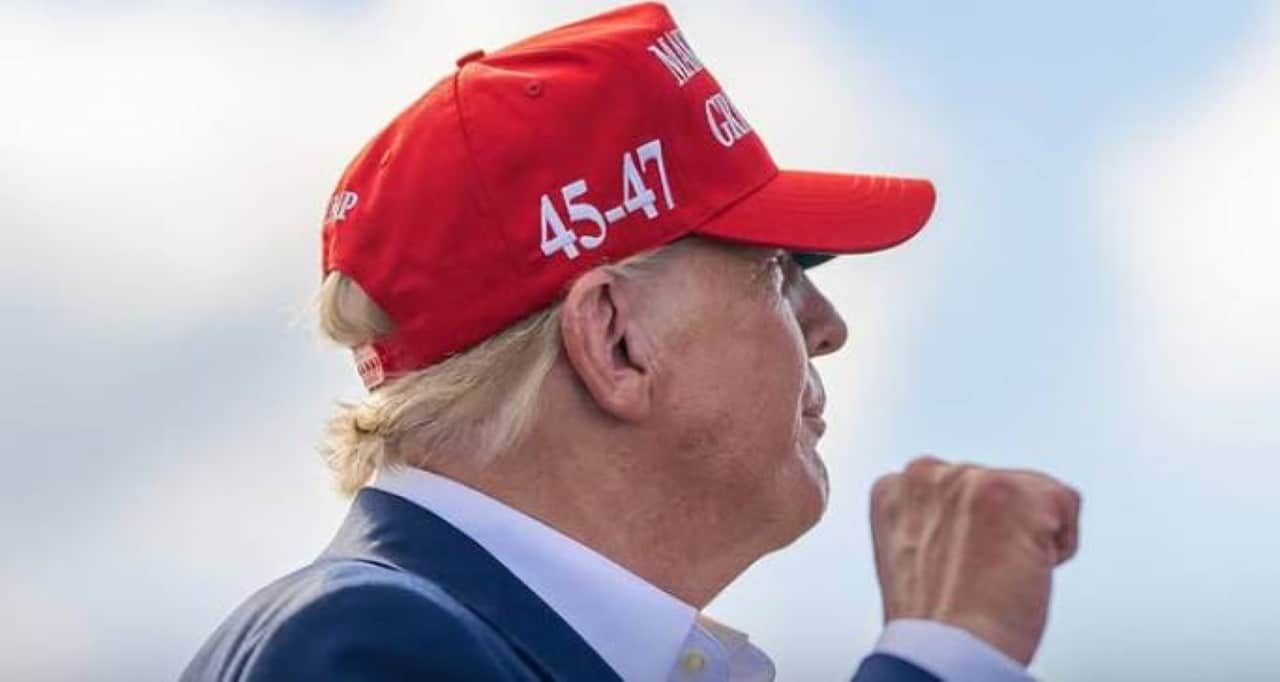
The United States government, under President Donald Trump, has taken a firm stand against what it perceives as foreign censorship, particularly from Brazil, targeting American citizens and companies. On August 20, 2025, Christopher Landau, Assistant Secretary of State, posted a strong statement on X, asserting that no foreign court, including Brazilian judges, can override the First Amendment of the US Constitution, which guarantees freedom of expression. The statement comes in response to actions by Brazil’s Supreme Federal Court (STF), accused of imposing global jurisdiction by ordering content removal on digital platforms, even in countries where such content is legal. This reflects Trump’s “America First” policy, aimed at protecting US tech companies and citizens from international judicial orders. Tensions between Brazil and the US have escalated, with direct criticism of the STF and sanctions already imposed on Brazilian officials.
Landau’s remarks followed posts from X’s Global Government Affairs account, which accused the STF of attempting to enforce global censorship. The Trump administration, which has imposed trade tariffs and sanctions on Brazilian officials like Justice Alexandre de Moraes, is reinforcing its commitment to safeguarding American sovereignty and free speech.
- Key points from Landau’s statement:
- Protection of free expression for US citizens and companies.
- Direct criticism of Brazilian court orders affecting digital platforms.
- Assertion that the First Amendment prevails over foreign rulings.
Global reactions to US stance
Landau’s statement sparked immediate reactions in Brazil, with officials and politicians questioning US interference in domestic affairs. Brazil’s Foreign Ministry, Itamaraty, issued a statement calling the remarks a “direct attack on Brazilian sovereignty,” arguing that STF decisions aim to combat misinformation and protect democratic order. The ministry emphasized that freedom of expression in Brazil is guaranteed but must comply with national laws, particularly in cases involving crimes like incitement to violence or electoral disinformation.
The US position is not an isolated incident. Since Trump’s second term began in January 2025, the administration has adopted an aggressive stance against countries it believes restrict the free speech of American entities. Brazil has become a focal point due to STF rulings ordering content removal on platforms like X and Rumble, alongside fines for non-compliance.
- STF actions cited by the US government:
- Suspension of over 100 X profiles in 2024.
- Temporary blocking of X in Brazil in August 2024.
- Fines for using VPNs to access restricted content.
- Requirement for digital companies to appoint legal representatives in Brazil.

History of US-Brazil tensions
Landau’s remarks build on a history of friction between the Trump administration and Brazil, particularly over judicial decisions impacting US tech firms. In July 2025, the US Trade Representative (USTR) launched an investigation into Brazilian trade practices, claiming STF rulings harm American tech companies. Additionally, sanctions under the Global Magnitsky Act were imposed on Justice Alexandre de Moraes, accused of leading a “censorship campaign” against supporters of former President Jair Bolsonaro.
The White House also introduced 50% tariffs on Brazilian goods, citing alleged political persecution of Bolsonaro and censorship of content protected by the First Amendment. These measures have heightened diplomatic tensions, with Brazil seeking negotiations to mitigate economic fallout while defending its judicial sovereignty.
Brazil’s Attorney General, Jorge Messias, countered US claims, stating that Brazil rigorously punishes coup attempts in line with its Constitution. The arrests of Bolsonaro supporters following the January 8, 2023, invasion of Brazil’s Three Powers buildings were cited as examples of defending the rule of law.
Impact on digital platforms
STF decisions, particularly under Justice Alexandre de Moraes, have put US-based tech platforms in a challenging position. Orders to remove content deemed antidemocratic or misleading have met resistance from companies like X, owned by Elon Musk, and Rumble, which argue these measures violate free speech. In August 2024, the STF temporarily blocked X in Brazil after the platform refused to comply with judicial orders.
Tech firms, backed by the Trump administration, claim these actions create an environment of “impunity” for criticism of the Brazilian government. The STF, however, maintains that its measures protect democracy, especially after attempts to destabilize institutions following the 2023 events.
- Controversial STF measures:
- Temporary X platform ban in Brazil in August 2024.
- R$ 8 million fine on Rumble for non-compliance.
- Temporary ban on VPNs for accessing blocked content.
- Investigations of US citizens for speeches made in Brazil.
Brazil’s response to US pressure
Under President Luiz Inácio Lula da Silva, Brazil is balancing defense of its sovereignty with maintaining trade ties with the US, its top export destination. In 2024, the US accounted for 23.46% of Brazil’s foreign direct investment, totaling $12.25 billion, according to InvestVis. US tariffs, affecting 36% of Brazilian exports, pose a significant economic challenge.
Brazilian officials, including Vice President Geraldo Alckmin, have met with US representatives, such as Chargé d’Affaires Gabriel Escobar, to address bilateral relations. Despite tensions, Brazil insists its judicial decisions are sovereign and aimed at protecting democracy, particularly after the January 8, 2023, attacks on government buildings.
Itamaraty reiterated its openness to dialogue but rejected attempts to politicize judicial rulings. Institutional Relations Minister Gleisi Hoffmann criticized Landau’s statements, accusing the Trump administration of supporting extremist narratives and interfering in Brazil’s sovereignty.
Role of the First Amendment
The First Amendment, cited by Landau, is a cornerstone of US law, guaranteeing freedom of speech, press, religion, and peaceful assembly. Enacted in 1791, it prohibits Congress from restricting these rights, serving as a symbol of American democracy.
The Trump administration leverages the First Amendment to criticize foreign governments it believes impose undue restrictions on US citizens and companies. Landau’s rhetoric underscores the administration’s priority to protect tech firms like X and Rumble, which face regulatory pressures globally.
- Core principles of the First Amendment:
- Protection of free speech and press.
- Prohibition of laws establishing official religion or restricting worship.
- Right to peaceful assembly and petition the government.
- Foundation for legal actions against perceived censorship.
Outlook for bilateral relations
The escalating tensions between Brazil and the US highlight a clash between national sovereignty and global commercial interests. While Brazil defends its judicial autonomy, the US, under Trump, adopts a protectionist stance, using tariffs and sanctions to pressure countries it views as infringing on free speech.
The USTR’s July 2025 investigation into Brazilian trade practices signals potential further economic measures. Meanwhile, Brazil seeks dialogue to ease the impact of tariffs, which affect key sectors like agriculture and industry.
Justice Alexandre de Moraes remains a central figure in the dispute. His rulings, seen as critical to protecting Brazilian democracy, are viewed by the Trump administration as violations of free speech and human rights. This divergence suggests ongoing challenges for US-Brazil relations, with sovereignty and free expression at the core.