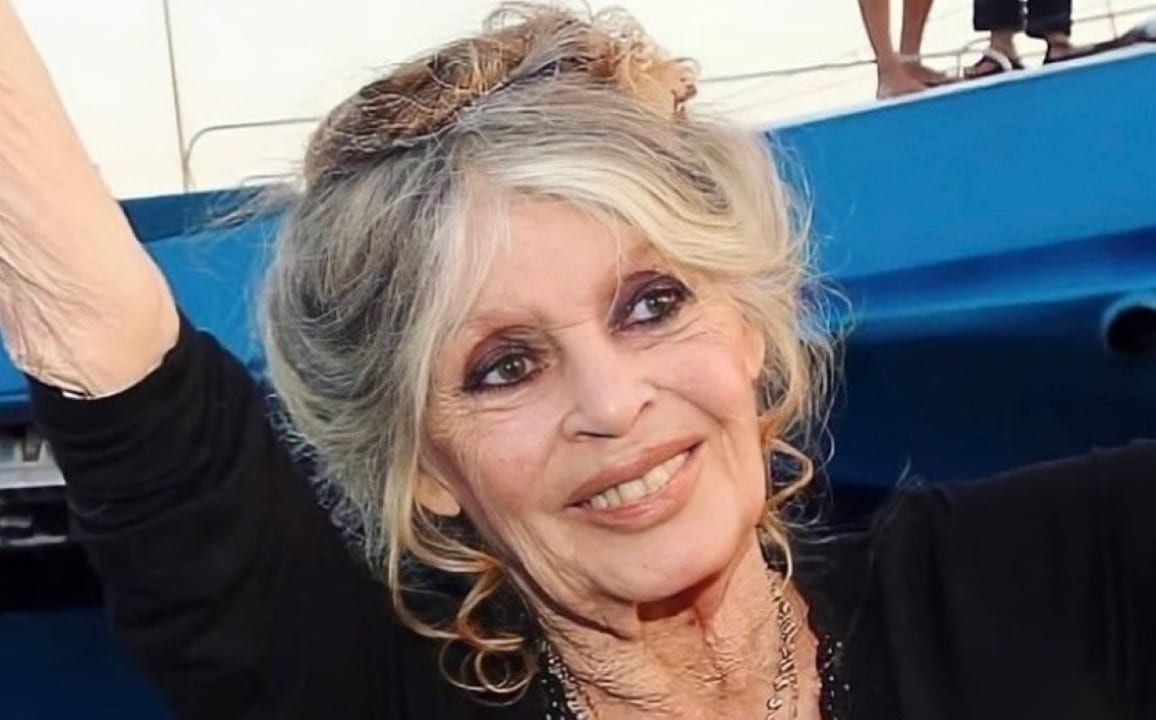
Brigitte Bardot, the iconic French actress, profoundly reshaped perceptions of femininity and allure in cinema during the mid-20th century, captivating audiences worldwide with her distinctive charm and undeniable screen presence. Her transformative career, however, extended far beyond the silver screen, as she later dedicated her life to passionate animal rights advocacy, establishing herself as a formidable voice for vulnerable creatures. This remarkable pivot from global sex symbol to unwavering activist underscores a complex and enduring public figure whose impact resonates across diverse cultural and humanitarian landscapes.
Born in Paris in 1934, Bardot rapidly ascended to international stardom, embodying a new kind of liberated womanhood that challenged conventional societal norms. Her films frequently explored themes of independence and sensuality, making her a groundbreaking figure for an entire generation.
Her iconic image, characterized by a tousled blonde mane, pouty lips, and a carefree spirit, became a global phenomenon, influencing fashion, beauty, and popular culture.
The rise of a global sensation
Brigitte Bardot’s meteoric rise began in the mid-1950s, notably after her starring role in Roger Vadim’s 1956 film, “And God Created Woman.” This film catapulted her into the international spotlight, making her an instant sensation and a symbol of burgeoning post-war European cinema.
Her portrayal of a free-spirited and sensual young woman resonated deeply with audiences, cementing her status as a daring and unconventional star who challenged existing cinematic archetypes and cultural expectations of femininity.
Redefining cinematic presence
Bardot possessed a unique ability to project both vulnerability and strength on screen, captivating viewers with her raw emotion and effortless charisma. Her performances in films like “Contempt” (Le Mépris) and “Babette Goes to War” showcased a versatility that allowed her to navigate various genres, from dramatic roles to comedic escapades.
She became synonymous with a natural, uninhibited style of acting that felt revolutionary for its time, contrasting sharply with the more polished and stylized performances often seen in Hollywood. Bardot’s aesthetic and approach profoundly influenced filmmaking, inspiring directors and actors to explore more authentic and less constrained portrayals of human experience.
Her undeniable influence on fashion and beauty trends of the era cannot be overstated. From the “Bardot neckline” to her signature bouffant hairstyle, she became a global style icon, whose every public appearance set new benchmarks for elegance and daring.
Transition from screen to activism
At the peak of her career, in 1973, Brigitte Bardot made the unprecedented decision to retire from acting, stepping away from the limelight at just 39 years old. This pivotal moment marked a dramatic shift in her life’s purpose, as she chose to dedicate her remaining years entirely to the cause of animal rights.
Her initial steps into activism were deeply personal, driven by a profound empathy for suffering animals and a growing disillusionment with the superficiality of celebrity life. Bardot quickly realized the power of her platform could be leveraged for greater good.
She began by speaking out against the fur trade and advocating for improved conditions for domestic animals, using her fame to draw much-needed attention to often-overlooked issues. Her impassioned pleas for animal welfare resonated globally, transforming public discourse on animal treatment.
In 1986, Bardot officially launched the Brigitte Bardot Foundation for the Welfare and Protection of Animals, cementing her commitment to the cause. The foundation quickly became a powerful force, funding shelters, organizing rescue missions, and lobbying for legislative change.
A fierce advocate for animal welfare
The Brigitte Bardot Foundation rapidly expanded its scope, tackling a wide range of animal welfare issues, from opposing factory farming and hunting to campaigning against the use of animals in scientific research. Bardot’s relentless efforts and unwavering dedication often put her at odds with powerful industries and traditional practices, yet she persevered with remarkable resolve.
Her advocacy has influenced legislative frameworks in several countries, pushing for stricter animal protection laws and raising global awareness about ethical animal treatment. The foundation operates internationally, supporting projects that aim to alleviate animal suffering and promote coexistence between humans and wildlife.
Enduring legacy and public perception
Brigitte Bardot’s legacy is uniquely multifaceted, reflecting both her indelible mark on cinematic history and her pioneering role in modern animal rights activism. She is remembered not only as an actress who challenged cultural norms but also as a tireless advocate who used her voice to protect the voiceless. Her transition from a symbol of allure to a champion for animals exemplifies a profound personal transformation, inspiring countless individuals to consider their own impact on the natural world. This duality ensures her continued relevance, solidifying her place as a significant figure in both entertainment and humanitarian endeavors.
Major campaigns and global influence
Among her most notable campaigns, Bardot passionately fought against the annual seal hunt in Canada, drawing international condemnation and raising immense global awareness for the plight of marine life. Her foundation actively supports sanctuaries and rescue efforts for endangered species and exploited animals worldwide.