Apple ends updates for the line of iPhones with A12 Bionic chip and increases security risks
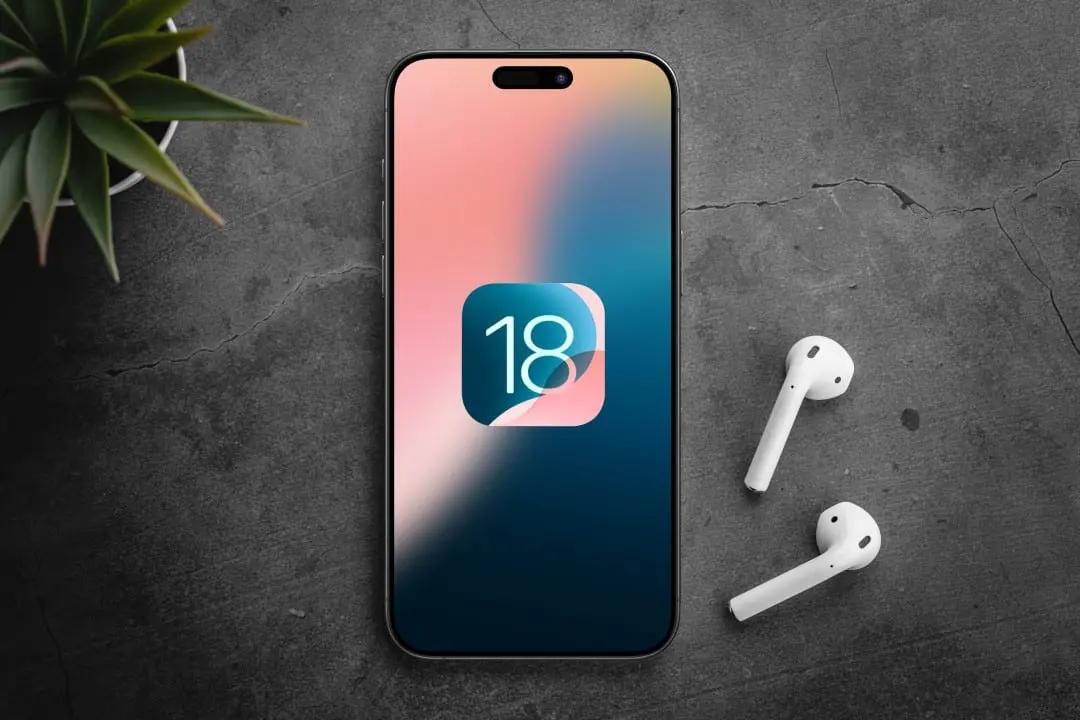
The North American electronics manufacturer has officially closed the software life cycle for mobile devices equipped with the A12 Bionic processor. The technical measure directly affects a vast global user base who still use these smartphones in their daily routines. Sem the continuous supply of correction packages and operational improvements, devices enter a phase of planned obsolescence with regard to the operating system.
The end of technical support means that phones will no longer receive the latest versions of the platform that manages the operation of the hardware. Essa transition occurs gradually, but sets a definitive limit to the device’s ability to run modern applications efficiently. The absence of new versions of the system creates a technological barrier that prevents access to newly launched resources on the mobile technology market.

Cybersecurity experts point out that remaining on outdated operating systems considerably increases exposure to digital threats. The lack of periodic corrections leaves the door open to intrusions, personal data leaks and critical authentication failures. Owners of these specific models will need to plan for replacement of their equipment to maintain the integrity of their stored information.
On the same topic: Apple explains why iPhone battery drains quickly after updating iOS
Direct effects on the manufacturer’s classic models
The software restriction specifically affects the iPhone XS, XS Max and XR models, which were introduced to the market several years ago with the promise of high performance. Esses devices represented a milestone in the company’s engineering, but have now reached the physical limit of their processing capacity by current standards. The internal architecture of these phones no longer supports the complexity of codes developed for recent generations.
– The RAM memory available on these devices has become insufficient to manage multiple simultaneous processes required by new software.
– The neural engine integrated into the original chip does not have the data transfer rate required to perform advanced machine learning tasks locally.
– The natural degradation of physical components, combined with the requirement for heavier systems, results in excessive battery consumption and overheating during continuous use.
Cyber vulnerabilities and data exposure
Disrupting security updates turns old smartphones into prime targets for malicious actors exploiting known flaws. Quando a zero-day vulnerability is discovered and fixed in newer systems, cybercriminals use this same information to attack previous versions that did not receive the protection patch. Essa defense asymmetry creates a highly risky environment for browsing the internet, exchanging corporate messages and storing private media. The absence of up-to-date barriers allows malware to operate silently in the background, capturing passwords and monitoring activity without the device owner’s knowledge.
In addition to real-time data interception, the lack of support compromises the encryption protocols that protect files physically stored in the phone’s memory. Aplicativos communication systems that rely on updated security keys may frequently experience synchronization failures or simply refuse to connect to external servers. Wireless network integrity also suffers as Wi-Fi and Bluetooth authentication standards evolve and older devices lose the ability to recognize modern security certificates. Esse scenario forces the user to adopt extreme precautionary measures, such as avoiding public networks and restricting the use of location-based services.
More on this story: IOS 26.2.1 update destroys battery and blocks Face ID on iPhones
Operational restrictions on financial applications
The banking industry and financial technology platforms impose strict compliance rules to allow their applications to be installed and operated. With the operating system freezing, financial institutions will begin blocking devices with the A12 Bionic chip from accessing their networks. Essa measure aims to protect customers’ assets against electronic fraud and interception of transactions.
See Also


Loss of access to mobile banking services represents one of the biggest inconveniences for users who maintain outdated devices. Contactless payment tools, digital wallets and instant transfer systems depend on layers of security that are constantly being reformulated. Quando the phone is unable to validate the new protocols, the functionality is remotely deactivated by the bank’s servers.
To temporarily circumvent this limitation, some users resort to accessing via web browser, which drastically reduces the convenience and agility of financial operations. Contudo, even internet browsers lose the ability to render secure pages over time, making migration to newer hardware an absolute necessity for personal financial management.
Learn more: New Apple system update optimizes urgent task management for iPhone users
Hardware limitations and technological lag
The evolution of software design requires increasingly robust physical components, creating a performance gap between processor generations. The A12 Bionic chip, although advanced for its time of release, features a transistor count that does not support the graphics rendering and reading speed required by modern interfaces. Essa disparity results in frequent crashes, slow opening of the camera, and failure to load media applications.
The heat dissipation structure of older models was also not designed to handle the thermal stress generated by contemporary algorithms. Attempting to force heavy tools to operate on these devices accelerates logic board wear and drastically reduces battery life, creating a frustrating and unreliable usage experience for everyday tasks.
Advancement of artificial intelligence and new requirements
The mobile technology industry has directed its efforts towards integrating generative artificial intelligence tools directly into the operating system. Essas features require highly specialized neural processing units, present only in the most recent generations of silicon. Old hardware lacks the architecture needed to run complex language models without relying exclusively on cloud servers.
Learn more: Apple decrees the end of updates for iPhone models launched in 2018
The decision to exclude previous processors from these innovations is based on the need to ensure a smooth, latency-free experience. Executing artificial intelligence tasks on non-optimized chips would result in unacceptable response times and immediate depletion of the device’s energy reserve, making the mobility and efficiency proposal unfeasible.
Data security and migration procedures
The transition to a new device requires rigorous planning on the part of the user, especially when it comes to preserving personal and corporate information. The first fundamental step is to perform a complete backup of all files stored on the old device, using cloud services or physical connections to computers. Especialistas in security recommend that this procedure be carried out on trusted networks, avoiding public connections during the transfer of sensitive data. Após to ensure that the information is saved, it is imperative to unlink the smartphone from all active accounts, including email profiles, social networks and payment platforms. Removing the device from the manufacturer’s main account also prevents the device from remaining traceable or linked to the original owner. Além Furthermore, formatting to factory defaults should only be performed when the new equipment is already configured and operational. Esse Care should be taken to avoid accidentally losing two-step authentication codes, which are often restricted to older hardware. Finally, the disposal of obsolete equipment must follow environmental standards, seeking reverse logistics programs that guarantee the physical destruction of memory components and adequate recycling of heavy metals.
Electronics life cycle in the global market
The average active support time for high-end smartphones has been established at around five to seven years, reflecting a balance between technological innovation and commercial viability. Maintaining operating systems for old architectures demands significant software engineering resources, which leads manufacturers to focus their investments on developing solutions for contemporary hardware, closing the cycle of products that have already fulfilled their role in the market.