Apple decrees the end of updates for iPhone models launched in 2018
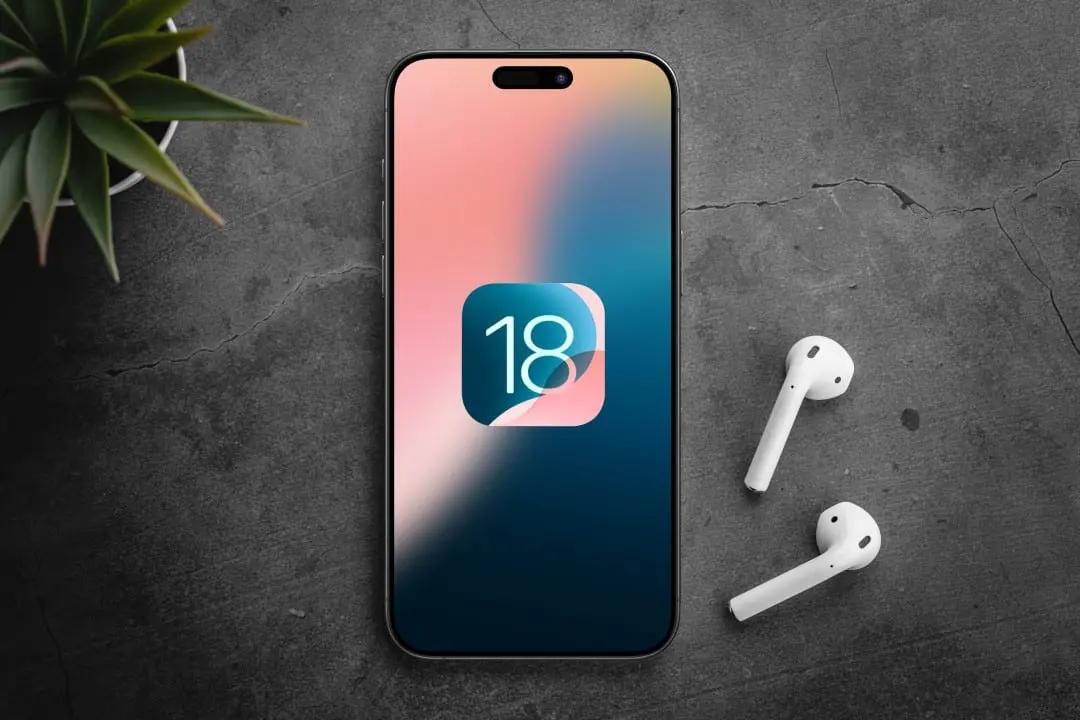
The iOS manufacturer officially announced the end of software maintenance for one of the best-selling versions of its cell phones. The measure affects millions of customers around the world who still use the smartphones introduced to the market in 2018, closing a cycle of almost eight years of longevity — a significant milestone, considering that rivals such as Samsung and Google began promising seven years of support only for their most recent launches. As this deadline approaches, owners will need to look for more modern alternatives, as the lack of security fixes will leave financial applications and sensitive data completely unprotected against intrusions.
Why the A12 Bionic processor does not support the brand’s new technologies
The California-based company’s decision is directly linked to the physical restrictions of the devices themselves. The big bottleneck is found in the A12 Bionic chip, a part that delivered high performance in the past, but which today does not have the necessary neural processing power to run the artificial intelligence functions of Apple Intelligence, planned to integrate iOS 19 and the future iOS 20. To clarify the scenario for consumers, the brand specified which editions will stop receiving news soon.
On the same topic: New version of Samsung software rescues vital functions for DeX mode

- The iPhone XS, which introduced premium materials and advanced cameras at the time of its announcement.
- The iPhone XS Max, designed with an enlarged display to appeal to those who consumed a lot of videos and games.
- The popular iPhone XR, an entry-level model that broke sales records in 2019 thanks to its more affordable price.
Due to these physical limitations in the circuits, the technology giant’s developers are no longer able to create efficient barriers against today’s digital threats. The old component structure simply doesn’t have the strength to process today’s complex encryption protocols, leaving devices stuck in time while hackers continually improve their attack tools.
When official support ends, any serious vulnerabilities or zero-day flaws discovered by security researchers will remain unresolved. In practice, the cell phone’s operating system will become an easy target for virus injection, tracking programs and credential theft. Technology experts warn that keeping an obsolete device in use, especially in Brazil, where transactions via Pix and banking apps are accessed daily, is the same as handing over the keys to your bank account into the hands of virtual scammers.
Official closure calendar and latest operating system version
Technical documents indicate that the last update available for this line of cell phones will be iOS 18.7.3. The manufacturer’s schedule indicates that this final download, intended only to guarantee the basic functioning of the device, will be released in the first half of December 2026, marking the brand’s official farewell. Shortly thereafter, on December 31, 2026, the useful life cycle will be definitively closed, blocking any chance of receiving emergency correction packages from the following year onwards.
See Also

China’s Shenzhou-23 mission reveals views of Earth from Tiangong station

Manchester City receives third offer from Barcelona for Rodri worth between €60 million and €80 million

Former boxer Prichard Colón dies aged 33 after long battle with brain injury
More on this story: Apple details reason for excessive battery consumption on iPhone after installing new iOS
In addition to the imminent danger of intrusions, the lack of support has a direct impact on the daily use of essential applications. Banks, social networks and job platforms often require updated operating systems to allow secure access to their servers. Consequently, owners of these old iPhones will face incompatibility messages, extreme slowdowns and unexpected program closures, problems that add up to the physical wear and tear on the battery after years of continuous use.
How to protect your personal data before transitioning to a new phone
The main guidance from cybersecurity analysts is for users to start organizing themselves financially to buy a newer smartphone in the coming months. Investing in updated equipment goes far beyond gaining superior cameras, being the only real way to protect passwords and important documents. Before going to the store to make the exchange, it is essential to make a complete backup of all information, either by saving the data in the iCloud cloud or by connecting the device to a computer, avoiding the loss of photos and contacts.
For those who cannot afford a new cell phone at the moment, the golden rule is to pay extra attention during daily use, avoiding connections to public Wi-Fi networks without a password, which are very common in shopping malls and airports. However, it is important to keep in mind that these precautions only act as a stopgap and do not address the core weakness of the discontinued system. The only true guarantee of long-term digital security remains migration to a device that still receives the manufacturer’s full attention.
Learn more: Xiaomi releases HyperOS 3.1 update with artificial intelligence for 70 cell phones