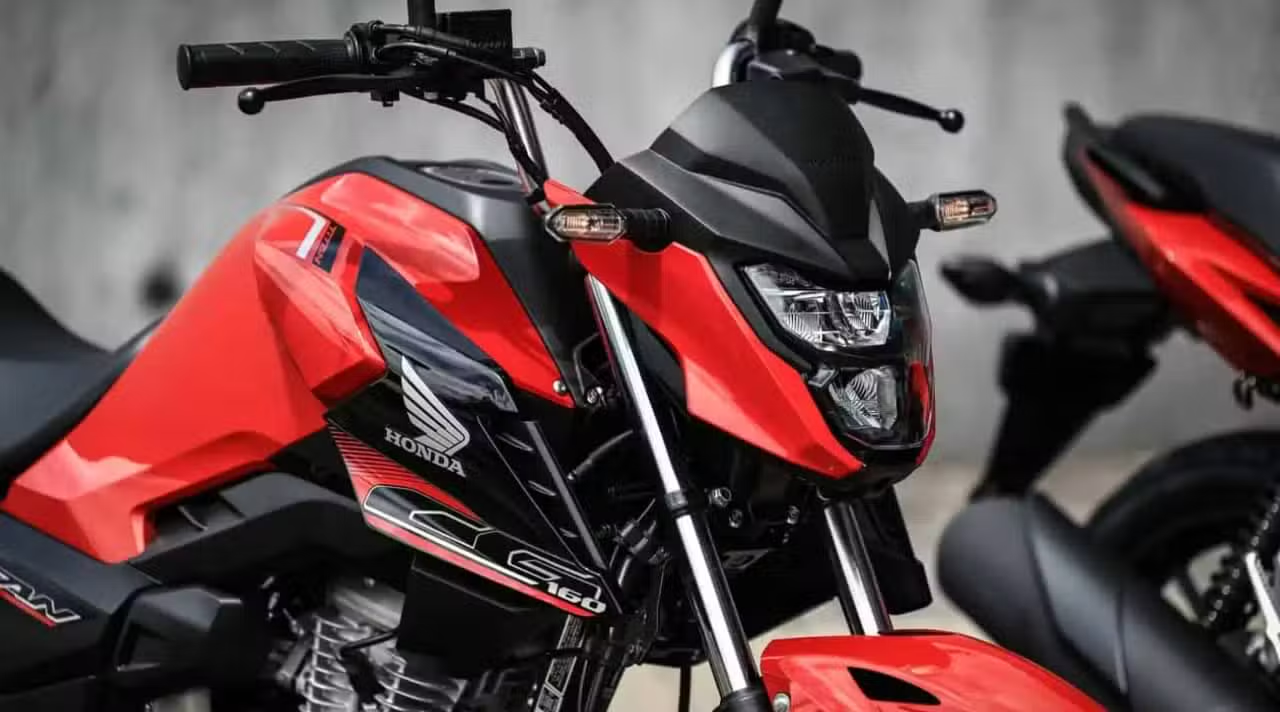
Honda Motor Co. has issued a significant recall affecting approximately 19,000 motorcycles across the United States. This precautionary measure aims to address a potential safety defect that could compromise the functionality of the braking system, posing a substantial risk to riders.
The campaign encompasses specific models manufactured in recent years, with the company already in the process of notifying affected owners. The swift action underscores the manufacturer’s commitment to customer safety and the operational integrity of its vehicles on public roads.
Owners of Honda motorcycles that fall within the recall criteria are strongly encouraged to contact their authorized dealerships promptly. The necessary repair will be performed free of charge, ensuring that the vehicles return to full and safe operating standards.
Details of the affected models
The recall specifically targets certain units within Honda’s popular motorcycle lineup, including models from the CBR series, select Gold Wing variants, and other street bikes produced between 2023 and 2025. The exact models and production dates are detailed in the official recall notice issued by the manufacturer. This precision in identifying the affected vehicles helps streamline the process for both owners and service centers.
The core of the issue lies within the rear brake master cylinder, where a specific component, likely a seal or piston, has been identified as potentially degrading prematurely. This degradation can lead to a gradual loss of rear braking power, or in more severe cases, a complete failure of the rear brake system during operation. Such a malfunction significantly increases the risk of an accident, particularly in emergency braking situations or when navigating challenging road conditions.
Honda initiated the recall after internal investigations and a review of field reports indicated a pattern of brake-related anomalies in these specific models. The company’s engineering teams have identified the root cause and developed a precise repair procedure to rectify the defect. This proactive approach ensures that a widespread safety concern is addressed before it can lead to more serious incidents on the roads.
Safety implications and rider risks
A compromised braking system presents an immediate and severe safety hazard for motorcyclists. The ability to control speed and stop effectively is paramount for rider safety, and any degradation in brake performance can lead to loss of control, collisions, and serious injuries. Riders might experience a spongy brake pedal, increased stopping distances, or unexpected brake fade.
In critical moments, such as avoiding an obstacle or performing an emergency stop, a malfunctioning rear brake can be the difference between a safe maneuver and a catastrophic accident. Honda emphasizes that owners should not delay in having their motorcycles inspected and repaired, highlighting the gravity of the potential risks involved. The company’s advisory stresses the importance of addressing this issue without delay to maintain optimal vehicle safety.
The recall process and owner actions
Upon receiving an official notification, affected owners should immediately schedule an appointment with an authorized Honda motorcycle dealership. These notifications typically include detailed instructions, the specific Vehicle Identification Number (VIN) range for affected bikes, and contact information for further assistance. It is crucial for owners to verify if their motorcycle is part of this recall by checking the VIN on Honda’s dedicated recall website or through the National Highway Traffic Safety Administration (NHTSA) database.
During the service appointment, trained technicians will inspect the rear brake master cylinder. If the defect is confirmed, the faulty component will be replaced with an updated part designed to eliminate the risk of premature degradation. All parts and labor associated with this recall repair will be covered entirely by Honda, ensuring no financial burden on the customer. This commitment reflects the industry standard for addressing manufacturing defects that impact vehicle safety.
Honda has implemented robust logistical plans to ensure that replacement parts are readily available at dealerships nationwide, minimizing inconvenience and wait times for owners. The company aims for a swift and efficient recall completion rate, prioritizing the safety of its customers. Prompt action from owners is essential to facilitate this process and restore full functionality to their motorcycles.
Honda’s commitment to quality
This recall, while significant in scope, demonstrates Honda’s unwavering commitment to product quality and rider safety. The company maintains rigorous testing and quality control processes throughout its manufacturing operations, aiming to prevent such issues from arising. When a potential defect is identified, Honda’s policy is to act decisively and transparently.
The manufacturer invests heavily in research and development to enhance vehicle safety features and reliability. This includes continuous monitoring of vehicle performance post-sale through customer feedback and warranty claims analysis. Such data is critical in identifying potential issues early and initiating corrective actions promptly.
For decades, Honda has built a reputation for producing reliable and high-performance motorcycles. Recalls, though disruptive, are an integral part of maintaining that trust by addressing unforeseen challenges head-on. The company views these situations as opportunities to reinforce its dedication to engineering excellence and customer welfare.
Ensuring every motorcycle meets stringent safety standards is a core principle for Honda. This latest recall serves as a testament to their proactive approach in maintaining market confidence and protecting their loyal customer base by prioritizing safety above all else.
Industry standards and regulatory oversight
Motorcycle recalls are a critical component of consumer protection within the automotive industry, governed by strict regulations. In the United States, the National Highway Traffic Safety Administration (NHTSA) plays a pivotal role in overseeing these processes. NHTSA mandates that manufacturers report safety-related defects and initiate recalls to ensure vehicles on the road meet federal safety standards. This oversight provides an essential layer of accountability and helps to safeguard the public.
Manufacturers like Honda collaborate closely with regulatory bodies such as NHTSA throughout the recall process, from initial defect identification to the implementation of corrective actions and public notification. This cooperation ensures that recalls are conducted efficiently and effectively, reaching all affected owners and addressing the safety concern comprehensively. The system is designed to maintain high safety benchmarks across the entire vehicle fleet.
Preventive maintenance beyond recalls
While recalls address specific manufacturing defects, regular preventive maintenance remains crucial for overall motorcycle safety. Owners are advised to adhere to their vehicle’s recommended service schedule, which includes routine checks of vital components like brakes, tires, lights, and fluid levels. This proactive approach helps identify wear and tear or minor issues before they escalate into significant safety concerns.
A well-maintained motorcycle not only enhances safety but also contributes to the longevity and performance of the vehicle. Dealerships and certified mechanics can provide expert service and ensure that all components are functioning optimally, offering peace of mind to riders. Combining diligent maintenance with prompt attention to recall notices creates the safest possible riding experience for all motorcyclists.
Ensuring ongoing road safety
The proactive response by Honda in this recall reinforces the collective effort required to maintain high standards of road safety. Both manufacturers and vehicle owners share responsibility in preventing accidents and ensuring that all vehicles operate safely. Promptly addressing potential defects through recalls and adhering to recommended maintenance schedules are fundamental steps in this ongoing commitment.