Observatories use lunar phase with 60% illumination to accurately map spatial relief
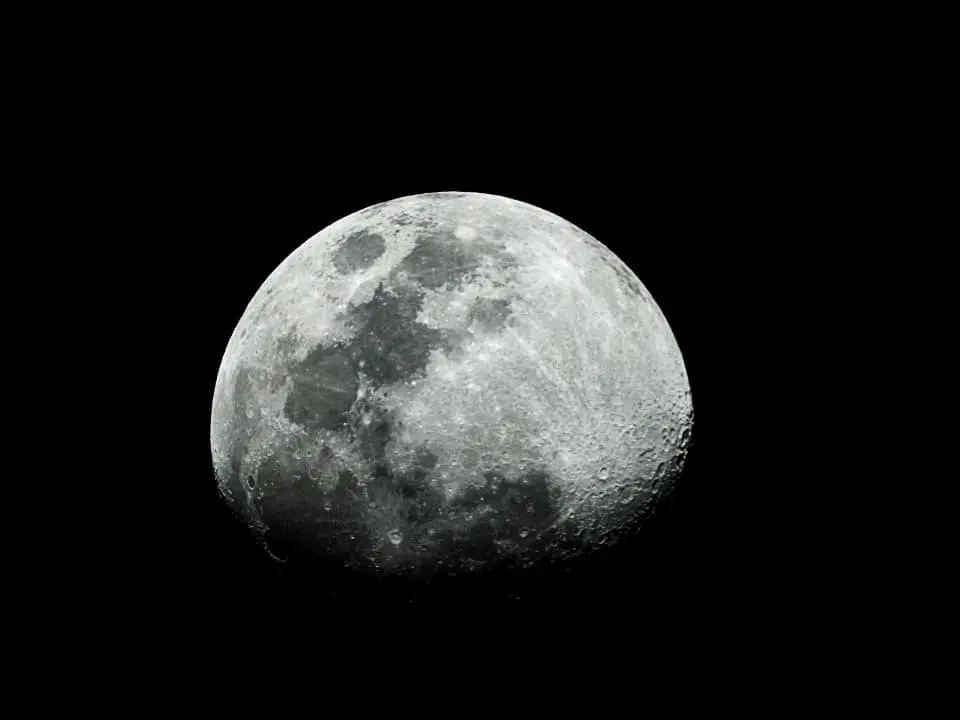
The natural satellite of Terra reaches a specific stage in its visual cycle, marking exactly 60% illumination on its face facing our planet. Este fenômeno astronômico regular altera as condições de observação noturna e afeta diretamente as operações em observatórios terrestres espalhados pelo globo. The transition to this phase gradually reduces nighttime brightness, creating a technical window of opportunity for spatial data collection. Especialistas take advantage of the reduction in light interference to record high-resolution images of the cosmos and the lunar surface itself, optimizing the use of long-range telescopes. The precision of this event obeys the laws of celestial mechanics, providing an exact timeline for planning scientific activities. Detailed mapping of craters and plains becomes the primary focus of research agencies during this interval of favorable illumination. The predictability of the cycle allows international teams to coordinate their data capture efforts simultaneously. By reducing glare, the optical sensors are able to record minimal variations in relief that would go unnoticed on nights of maximum clarity.
The practical benefits of this period of lower light are essential to modern astronomy, requiring professionals to adjust their routines to maximize data extraction during these specific nights. Equipment calibration is done in advance to ensure full use of observation hours.
Key benefits recorded by monitoring teams include:
– Melhoria significant in the visual contrast of the topography.
– Redução of glare in large telescope sensors.
– Condições ideal for tracking objects close to Earth orbit.
On the same topic: Reducing lunar illumination to 60% optimizes topographic mapping and benefits space missions
Visual dynamics on the border of light and shadow
The visual border that separates the illuminated region from the dark area, technically known as the terminator line, gains special emphasis with reduced lighting. The oblique incidence of sunlight in this area casts long, defined shadows on the rocky terrain. Este play of light and shadow acts as a natural revealer of geological features, highlighting the depth and texture of the spatial soil.
Mountains, deep valleys and the rims of ancient craters become three-dimensional under the telescope lens. Este optical phenomenon allows precise altimetric measurements from observation stations on Terra, without the immediate need to send probes to the site. Analysis of these shadows provides the mathematical basis for calculating the exact height of elevations.
During this phase, specific formations are mapped more clearly by the research centers:
Learn more: The Moon’s waning phase reaches 60% illumination and optimizes astronomical mapping in observatories
– Cráteres with irregular edges and multiple rings.
– Planícies extensive basalts formed by ancient volcanic activity.
– Cadeias mountains located in the visible hemisphere.
Orbital synchronization and astronomical predictability
The relative position between the Terra, the satellite, and the Sol dictates the exact percentage of illumination visible each night. The translational movement around our planet occurs at an average speed of 3,600 kilometers per hour, constantly changing the angle of incidence of sunlight and modifying visual perception from the Earth’s surface.
This gravitational dynamic keeps the celestial body in synchronized rotation, which means that it takes the same time to rotate around its axis as it does to orbit Terra. Consequentemente, terrestrial observers always contemplate the same face, regardless of the percentage of illumination recorded by measuring instruments.
Technical calibration of optical equipment
Observatories use the intermediate brightness to test and calibrate new photon-capturing sensors before complex missions. The moderate light intensity prevents the saturation of the ultrasensitive detectors, which could be damaged if exposed to full brightness without the appropriate protective filters attached to the lenses.
See Also



More on this story: Astronomers use lunar phase with 60% illumination to track asteroids in deep space
This routine procedure ensures that spectrographs and wide-field cameras work at maximum efficiency when pointing at the most distant and darkest targets in the universe. The celestial body thus acts as a natural and accessible calibration target for preventive maintenance of terrestrial astronomical equipment.
High resolution photo processing
Professionals and institutions dedicated to capturing space images adjust their equipment to take advantage of the drop in natural light pollution. The gibbous phase offers a rare technical balance, where there is enough light to focus on the main target, but not enough to wash out the background stars that serve as reference points.
The astrophotography process at this stage requires meticulous calibration of image sensors and exposure times. Câmeras attached to motorized telescopes follow the Earth’s rotation to avoid motion blur, guaranteeing the absolute clarity of photographic captures taken throughout the dawn.
The resulting images go through processing software that stacks multiple photos to reduce the digital noise inherent in electronic sensors. Este method reveals subtle details of the mineralogical composition of the surface, differentiating areas rich in titanium and iron through color variations captured by spectrometry equipment.
Full coverage: News (EN)
Strategic planning of surface missions
Topographic mapping updated during these observation windows provides critical data for the development of future landing missions. Engenheiros aerospace companies analyze high-contrast images to identify risk areas that could compromise the integrity of landers during descent.
The selection of safe locations directly depends on the accuracy of these visual analyses. Estes estudos mapeiam a rugosidade do terreno em escala métrica e garantem a viabilidade das operações em regiões ainda inexploradas, minimizando as chances de acidentes causados por declives acentuados ou campos de pedregulhos.
In addition to the physical security of the equipment, the detailed study of geology guides the search for mineral resources. Depósitos of ice in permanently shadowed craters at the poles are prime targets for international space agencies planning to establish long-term research bases.
Partial illumination makes it easier to observe regions adjacent to these poles, helping scientists plot exploration routes for automated rovers and future crews. Prior knowledge of the relief optimizes the energy consumption of surface vehicles during their exploratory journeys.
Learn more: Astronomers use lunar phase with sixty percent illumination to map distant galaxies
Creating digital elevation models
Integrating captured photographs with geographic information systems results in the creation of highly accurate digital elevation models. Institutos researchers process terabytes of visual data through advanced photogrammetry algorithms, which calculate the depth and height of geological formations based on the length and slope of shadows cast on the surface. Este digital collection serves the scientific community for studies on the formation of the solar system and the frequency of meteorite falls throughout geological eras.
Continuous three-dimensional modeling ensures that maps remain up-to-date, reflecting any new surface changes caused by recent micrometeoroid collisions. Esta robust and reliable database is essential for all agencies operating in the planning of extraterrestrial infrastructures. The data is also made available for training artificial intelligence systems aimed at autonomous navigation in space, improving the software’s ability to recognize terrain patterns in real time.
Minimization of terrestrial atmospheric turbulence
Observation from the Earth’s surface faces the constant challenge of atmospheric turbulence, which distorts the light coming from outer space and impairs the sharpness of the images. Durante the 60% illumination phase, the lower dispersion of light in the Earth’s atmosphere improves the visibility index, allowing telescopes to achieve higher resolutions when capturing topographic and stellar data. Reducing the light halo around the satellite creates a darker background sky, which is critical for identifying faint objects that would otherwise be obscured. Astrônomos take advantage of these specific atmospheric conditions to conduct deep sky scans, cataloging asteroids and monitoring the trajectory of celestial bodies near Terra with a level of precision that would be impossible during periods of maximum illumination. Strict control of these environmental variables guarantees the integrity of the data collected and the continuity of planetary defense research.
Safety in the navigation of interplanetary probes
Continuous monitoring of these orbital variables also serves to calibrate navigation instruments on transiting spacecraft. Sondas and artificial satellites use the exact position and lighting phase as immutable reference points for trajectory adjustments in interplanetary missions and complex operations in low orbit, ensuring the accuracy of routes programmed by ground control centers.