

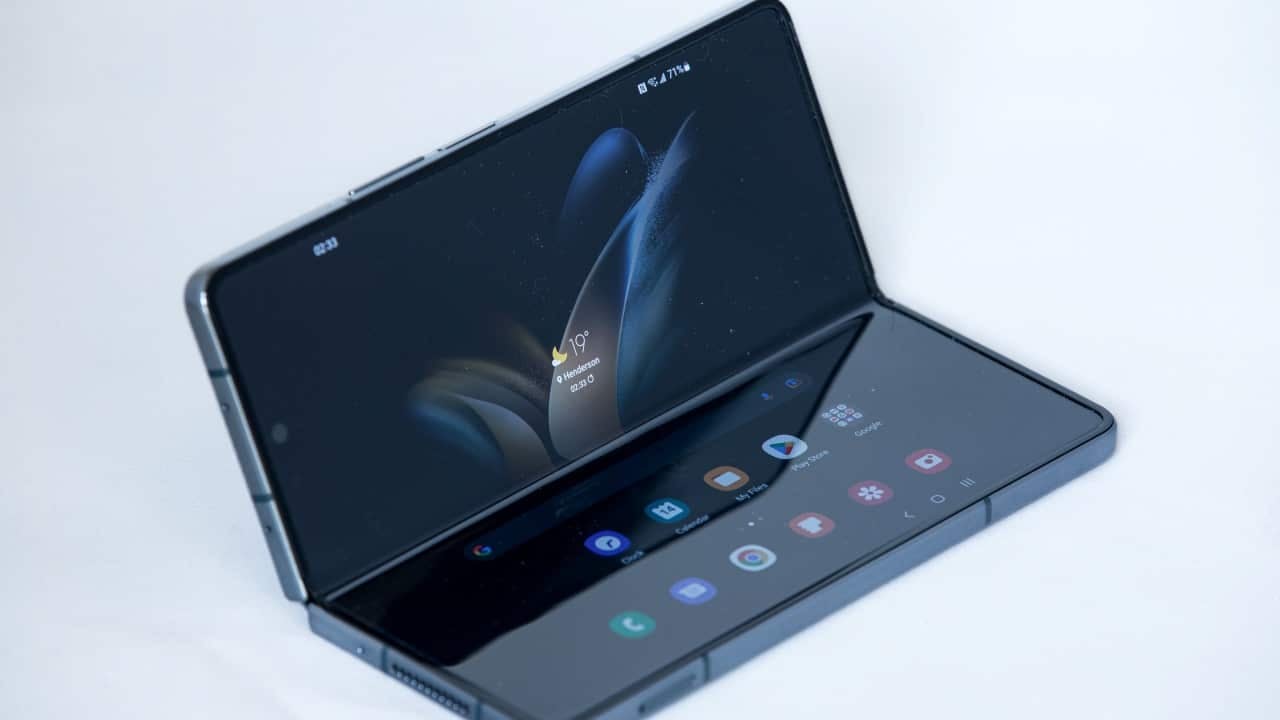
Samsung Electronics is finalizing preparations for the expansion of its ecosystem of foldable devices with the development of the unprecedented Galaxy Z Wide Fold. The new smartphone, identified by the firmware code SM-F971B, marks a structural change in the South Korean manufacturer’s strategy by prioritizing screen width over the traditional elongated format. The device will hit the market equipped with the One UI 9 interface, developed on the basis of the Android 17 operating system, promising deep integration between cutting-edge hardware and optimized software.
The main innovation of the Galaxy Z Wide Fold lies in its 4:3 screen ratio, a significant change when compared to the almost square format used in the current Galaxy Z Fold7. Essa new configuration is designed to offer a viewing experience similar to that of high-performance tablets, facilitating the consumption of multimedia content and professional image editing. Especialistas from the sector indicate that the choice for a wider panel aims to serve users who seek greater productivity without the vertical limitations of previous models.
To ensure competitiveness in the ultra-premium segment, Samsung has implemented advances in flexible panel technology to drastically reduce center crease visibility. The new display manufacturing method focuses on long-term durability, allowing the folding mechanism to withstand intense opening and closing cycles without compromising visual integrity. Além Additionally, the chassis structure has been reinforced to maintain lightness while accommodating the new expanded format of the main screen.
The official launch schedule points to event Galaxy Unpacked in July 2026, where the Galaxy Z Wide Fold should be presented simultaneously with the Galaxy Z Flip8 and Galaxy Z Fold8. The strategy of launching multiple foldable formats seeks to consolidate the brand’s leadership in the face of growing global competition, especially with rumors of new entrants in the flexible screen market. Initial availability should cover strategic markets in Ásia, Europa and Américas, respecting the local launch windows of each region.

One UI 9 integration and system performance
The One UI 9 interface represents a qualitative leap in the way the software manages the additional space provided by the new device’s 4:3 aspect ratio screen. The operating system has been redesigned to allow running multiple applications simultaneously with smarter floating windows and dynamic taskbars that adapt to use. The fluidity of transitions between the external and internal screen has been improved to ensure that the workflow is not interrupted when physically handling the device.
Advanced multitasking features allow the user to divide the screen into distinct areas for video conferencing, note-taking and web browsing without loss of context or readability. One UI 9 also introduces new artificial intelligence algorithms aimed at battery management and graphics processing, essential to sustain the energy consumption of the wide screen. Essas optimizations ensure the device maintains consistent performance even under heavy workloads such as high-definition video rendering.
- Instant sync with Galaxy ecosystem devices for file transfer.
- Improved support for S Pen with lower latency and new gesture shortcut functions.
- Built-in wireless DeX mode turns the foldable into a full workstation.
- Enhanced security through the Knox platform with chip-level protection.
Design evolution and focus on mobile productivity
The Galaxy Z Wide Fold was designed to bridge the gap between the conventional smartphone and the tablet, offering a workspace that facilitates the viewing of complex documents. The additional width allows spreadsheets and presentations to be displayed with greater clarity, eliminating the need for constant zooming by the professional user. Essa approach reflects a change in behavior in the market, where the mobile device becomes the main productivity tool.
The engineering behind the new design also focused on ergonomics, ensuring that, despite the larger screen, the device remains comfortable to use with just one hand when closed. The edges have been reduced to the minimum possible, maximizing the screen-to-body ratio and providing complete visual immersion. The premium materials finish gives the smartphone a sophisticated appearance, in line with the luxury positioning of the Galaxy Z line.
Screen technology and mechanism durability
Samsung invested in new polymers to protect the folding screen, resulting in a surface that is more resistant to everyday scratches and impacts. The near-perfect folding technology is the result of years of mechanical engineering research, using hinges with microgears that dissipate pressure evenly. Esse advancement is crucial to avoid premature wear of pixels in the articulation area, one of the biggest technical challenges in the category.
The panel used in the Galaxy Z Wide Fold has variable refresh rates, which can range from 1Hz to 120Hz to save energy depending on the content displayed. Maximum brightness has been raised to ensure perfect visibility even in direct sunlight, an essential feature for outdoor use. Color calibration follows professional standards, ensuring that photographers and designers have complete accuracy in their work carried out directly on the mobile device.
Water and dust resistance also received updated certifications, allowing the user to use the device in different weather conditions without worry. The internal sealing system protects sensitive electronic components, while drainage channels in the hinge prevent the accumulation of debris that could damage the internal panel. Essas improvements reinforce the brand’s commitment to delivering a robust and reliable product to the global market.
Premium market and global strategic positioning
The decision to launch the Galaxy Z Wide Fold in 2026 occurs at a time of technological maturation where consumers are looking for clear differences in high-cost devices. By offering a different screen ratio, the Samsung tries to anticipate competitors’ moves and establish a new standard for what is expected from a large foldable. The focus on screen width is a direct response to feedback from users who found previous models too narrow for certain tasks.
Analysts indicate that the Galaxy Z line will continue to be the company’s pillar of innovation, serving as a showcase for technologies that will eventually reach more affordable models. Investment in proprietary software such as One UI 9 is seen as the main competitive differentiator for maintaining user loyalty in the Android ecosystem. Integration with cloud services and business productivity tools places the new device as a viable option for the high-end corporate market.
Scale production of Galaxy Z Wide Fold has already started at Samsung manufacturing units to ensure global supply at the time of launch. The company hopes that the acceptance of the new format will validate the portfolio diversification strategy within the foldable line itself. With the arrival of the Android 17, the device is prepared to support future system upgrades for several years, ensuring an extended life cycle for the consumer investment.
The expectation is that the launch price reflects the exclusivity of the hardware and the innovations present in the user interface. Campanhas Global marketing teams should emphasize the versatility of the Wide Fold, positioning it as the definitive device for those who don’t want to carry a tablet separately. The success of this model could dictate design trends for the entire foldable smartphone industry in the following years, consolidating the 4:3 format on flexible screens once and for all.
Technical specifications and consumer expectations
Leaked specifications suggest that the Galaxy Z Wide Fold will utilize the most advanced processor available on the market, ensuring full support for high-speed 5G networks and satellite connectivity in remote regions. RAM memory should start at 12GB, reaching 16GB variants to ensure that One UI 9’s multitasking works without hiccups. Internal storage must also be generous, with options that can reach 1TB to suit users who store large volumes of data locally.
The camera system has been integrated under the display on the internal screen to offer a completely unobstructed view, while the rear assembly inherits image processing technologies from the Ultra range. Isso allows the foldable to also be a powerful tool for professional photography and videography, taking advantage of the screen format for immediate editing. The battery was divided into two cells to balance the device’s weight and allow ultra-fast charging, minimizing plug-in time.
- Next-generation processor optimized for generative artificial intelligence.
- Triple cameras with high-resolution sensors and advanced optical zoom.
- Long-lasting battery with wireless and reverse charging support.
- Biometric sensors integrated under the screen for greater security and convenience.
The initial reception from enthusiasts who had access to the firmware leaks has been positive, highlighting the brand’s courage in changing an already established design. The Galaxy Z Wide Fold is not just an incremental upgrade, but a redefinition of the large screen usage experience. The combination of a mature interface and bold hardware puts Samsung in a strong position to dominate the premium sector in 2026.
End-user experience considerations
The One UI 9 interface also focuses on accessibility, offering customization options that allow you to adjust the size of icons and fonts to make better use of the width of the display. Haptic feedback has been refined to provide more accurate physical feedback when typing or interacting with interface elements. Cada aspect of the software has been tested to ensure that the transition between different screen orientations is natural and intuitive for any user profile.
Support for third-party apps has been expanded through partnerships with productivity and entertainment software developers, ensuring that the most popular apps natively take advantage of the 4:3 aspect ratio. Isso Prevents the appearance of side black bars or unwanted cuts in content, providing a clean and professional visual experience. The Galaxy Z Wide Fold arrives to prove that innovation in smartphones still has room for radical transformations in the way we interact with technology.
Finally, Samsung plans to offer exclusive service packages to buyers of the new foldable, including priority technical support and protective film replacement services. Essas initiatives aim to increase consumer confidence in foldable products, which are still seen by some as more fragile than conventional models. With the Galaxy Z Wide Fold, the company hopes to remove the last barriers to entry for the mass market in the tech luxury segment.