New Sony patent indicates native support for games of all generations on PlayStation 6
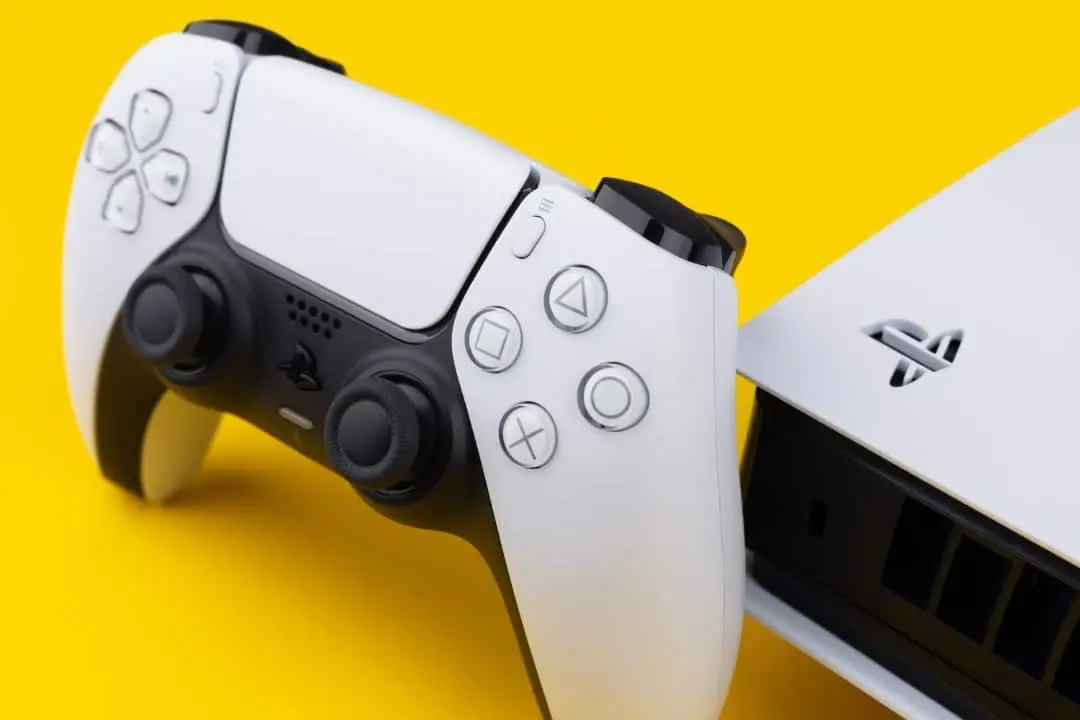
Sony Interactive Entertainment has filed a new patent document that describes a software framework focused on compatibility testing for hardware under development. The system detailed in the registry points to the creation of a virtual environment capable of running codes from old consoles on a new generation machine. The technical movement suggests that the future PlayStation 6 may offer native support for running titles from all of the brand’s previous platforms. The feature aims to unify the company’s ecosystem and ensure that consumers maintain access to their digital and physical catalogs.
The development of this technology meets a growing demand from players for digital preservation and library continuity. The transition between console generations historically forced users to keep old devices connected to televisions to access classic games. The chief architect of the PlayStation division, Mark Cerny, appears as one of the main people responsible for the integration project. The patent proposes an automated method for identifying execution failures when old software runs on a modern processor, adjusting the speed and behavior of the system to avoid crashes.
The historical obstacle of the PlayStation 3 architecture
The implementation of full backwards compatibility comes up against physical and logical barriers created in the manufacturer’s own past. The biggest challenge for the company’s engineers has always been the PlayStation 3. The console launched in the 2000s used a proprietary processor called Cell Broadband Engine. Esse chip had an asymmetric multi-core structure that required highly specific programming techniques. The complexity of the hardware made converting your games to newer platforms a task of extreme technical difficulty. The PlayStation 4 and PlayStation 5 adopted the x86-64 architecture, a common standard in desktop computers, which facilitated the development of new titles, but created a gap in compatibility with the PS3 system.
More on this story: Sony patent indicates that PlayStation 6 will be able to play games from all previous generations
Para To get around this difference in architecture, emulation via software requires considerably more raw processing power than the original machine. The modern system needs to translate instructions from the Cell processor in real time, a process that often results in performance drops, graphics glitches, and audio synchronization issues. Até At the moment, Sony has chosen to offer PS3 games to subscribers of the Plus Premium PlayStation service exclusively through cloud streaming. The new patent indicates a change in stance, suggesting that the next console’s hardware will have the strength and specific instructions to carry out this emulation locally, eliminating the need for external servers and high-speed connections.
The company’s history with the resource has had ups and downs over the decades. The PlayStation 2 achieved absolute success by including the first console’s hardware on its motherboard, ensuring immediate compatibility. Early PlayStation 3 models also had PS2 chips physically installed, but the company removed the components in later revisions to reduce manufacturing costs. Starting with the PlayStation 4, native backwards compatibility was abandoned, forcing players to purchase remastered versions of the same titles. The scenario partially changed with the PlayStation 5, which was designed from the beginning to play almost the entire catalog of its direct predecessor.
Estratégia of automated tests to ensure fluidity
The newly discovered document details an ongoing verification process during the new hardware creation phase. The test system runs a vast library of old games and monitors processor and memory behavior. Quando software detects a timing failure caused by the new chip’s higher speed, it applies artificial restrictions. The modern console essentially cheats the classic game, simulating the limitations of the original machine to ensure that the physics, artificial intelligence, and controls work exactly as the developers intended decades ago.
See Also
Gamer Week: Vivo and Supercell offer free rare item for Clash Royale players

Cristiano Ronaldo reaches 977 goals for Al-Nassr and aims for the thousandth goal in his career

Newborn dies after being injured by a scalpel during a cesarean section in the interior of São Paulo, says family
Automating this process solves a massive logistical problem for the manufacturer. Testar manually playing thousands of games would require gigantic teams and years of uninterrupted work. The patented algorithm can run snippets of code, identify bottlenecks and generate specific compatibility profiles for each title. Esses profiles are small configuration files that the console automatically downloads before starting an old game. The technique ensures that the user experience is transparent, simply inserting the original disc or downloading the digital file to start the game without the need for complex manual configurations.
Concorrência direct with the Microsoft ecosystem
Market pressure plays a fundamental role in the Japanese manufacturer’s change in strategy. Microsoft has made backwards compatibility one of the core pillars of the Xbox brand over the past decade. The Xbox Series The North American company invested heavily in software engineering to unify four generations of devices into a single interface. Essa’s competitive advantage has attracted consumers who value long-term investment in their digital libraries.
The competitor’s move forced a reassessment of priorities within the PlayStation division. The lack of support for old games often generated criticism from the community and the specialized press. The adoption of a universal system in future hardware aims to eliminate this disadvantage and retain the current user base. The transition to a business model focused on services and subscriptions requires a robust catalog, and the inclusion of thousands of classic titles substantially increases the perceived value of the company’s platforms.
Learn more: Sony’s unprecedented patent indicates that PS6 can play PS1, PS2 and PS3 games natively
Digital Preservação and the future of the console market
The video game industry faces a constant debate about preserving its history. The closure of old digital stores and the degradation of physical media threaten access to important cultural works. Implementing official emulators on modern hardware offers a commercially viable solution to the problem.
- Maintaining old catalogs strengthens consumer confidence in purchasing digital goods.
- The feature allows studios to re-monetize forgotten intellectual properties without remastering costs.
- Native emulation protects the legacy of interactive media against the obsolescence of the original hardware.
Patent registration does not guarantee the mandatory presence of the function in the final product, but it reveals the priorities of the research and development department. Analistas from the technology market projects that the PlayStation 6 will hit shelves between the years 2027 and 2028. The time interval provides the necessary window for engineers to refine the emulation algorithms and ensure the stability of the system. The ability to play more than thirty years of video game history on a single device could become the main selling point of the next generation of consoles.